5 Hidden Places Mould Loves to Grow in Your Home
Most homeowners know mould can appear on walls, ceilings, or bathroom tiles — but that’s only the beginning. Mould thrives in damp and humid areas often spreading in places you’d never think to check. By the time it becomes visible, the problem may already be much worse.
Here are five hidden spots where mould commonly grows in homes:
1. Behind Carpet Grippers Near Wet Areas
Carpet gripper (or smooth edge) are tucked away under your carpet, but when moisture seeps in near bathrooms, sliding doors, or entryways, they can become a prime spot for mould growth — often unnoticed until the carpet is lifted.
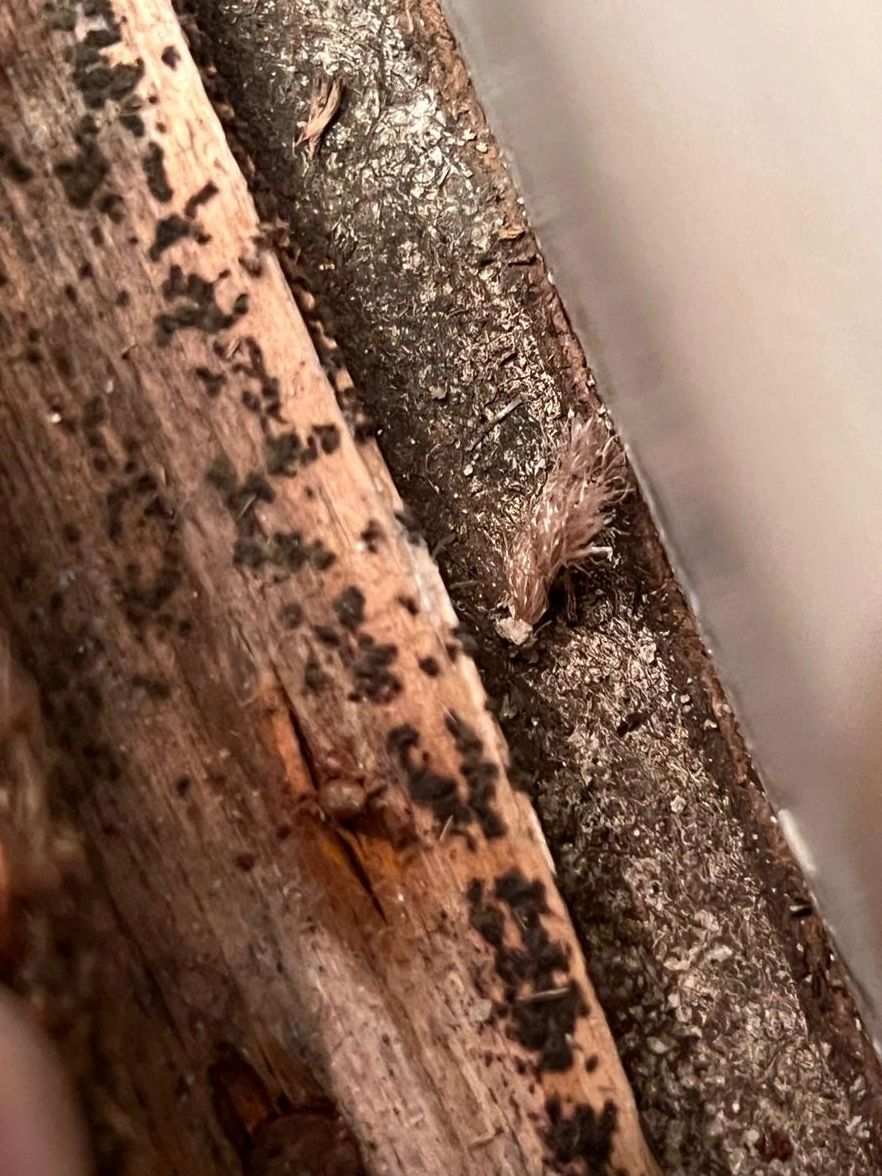
2. Inside Engineered Wood (MDF & Chipboard)
Furniture and cabinetry made from MDF or chipboard absorb moisture easily. Once damp, they swell, weaken, and become the perfect environment for mould to grow — sometimes spreading behind cupboard doors or drawers.
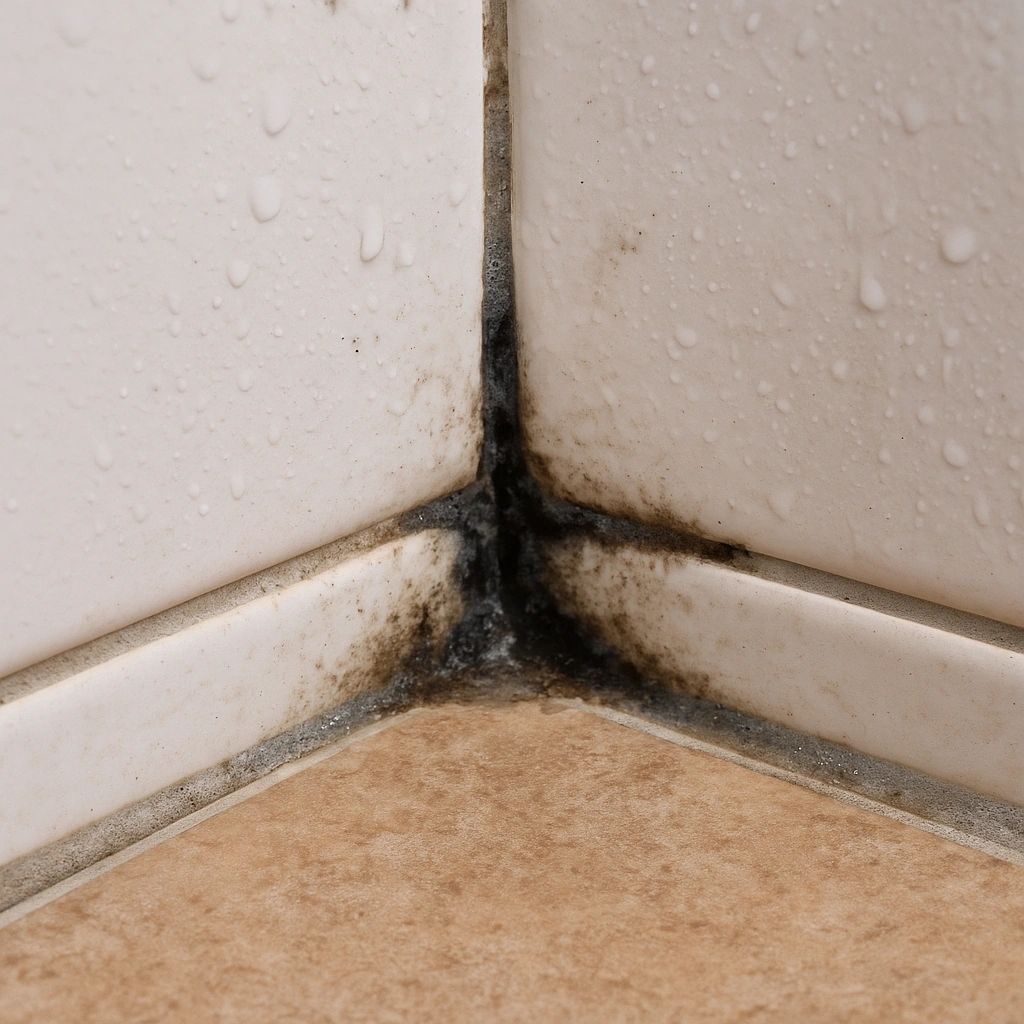
3. Between Grout Lines
Bathroom and kitchen grout is porous, and with constant exposure to water, it can trap moisture. This makes grout a favourite home for mould, leading to dark stains, odours, and potential health risks if ignored.
4. Gyprock Walls
Gyprock (plasterboard) is like a sponge when it gets wet. Mould can spread inside walls long before you see any surface signs. If left untreated, it may require complete replacement instead of a simple clean.
.jpeg/:/cr=t:0%25,l:0%25,w:100%25,h:100%25/rs=w:1280 "Ceiling water damage with brown stains, moisture spots, and early signs of mould growth.")
5. In Dust Build-Up
Wherever dust collects, mould can thrive. From under furniture to inside air vents, dust acts as food for mould spores. Combine it with humidity, and you’ve got a hidden mould hotspot in your home.
Don’t Wait Until It’s Visible
The scariest thing about mould is that it often grows out of sight. By the time you notice it, the contamination could be widespread. Professional mould inspections and remediation is a great way to uncover and remove hidden mould before it causes lasting damage to your property — or your health.