How to Handle a Sewer Backflow Emergency at Home
Experiencing a sewer backflow at home is not just unpleasant—it can be hazardous to your health. Contaminated water can carry bacteria, viruses, and other dangerous pollutants, making it critical to act swiftly, safely, and correctly.
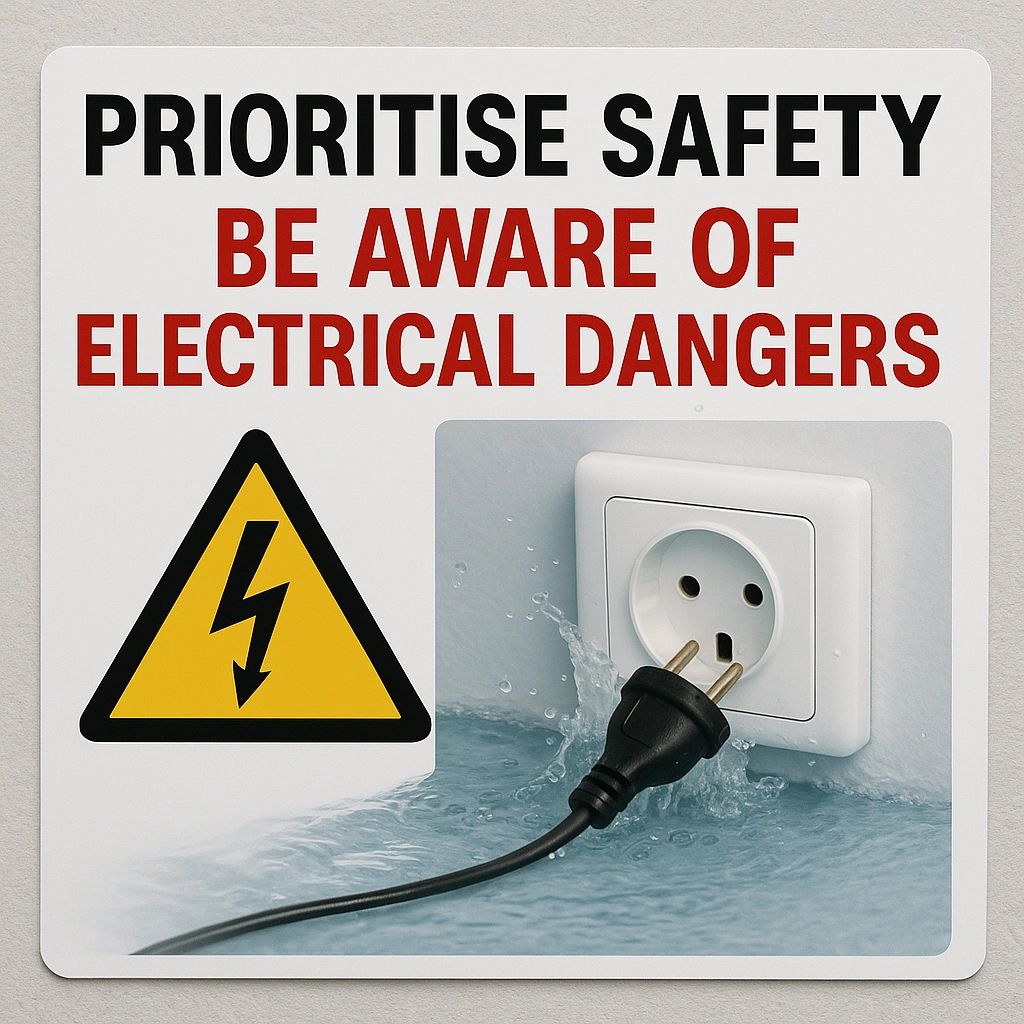
1. Prioritise Safety – Be Aware of Electrical Dangers
Before doing anything, ensure the space is safe. If water is pooling near electrical outlets, switches, or appliances, avoid entering the area. Water and electricity can be a lethal combination. In such cases, contact a licensed electrician or emergency services immediately.
Your safety is paramount—when in doubt, always consult a professional.
2. Stop the Backflow Source
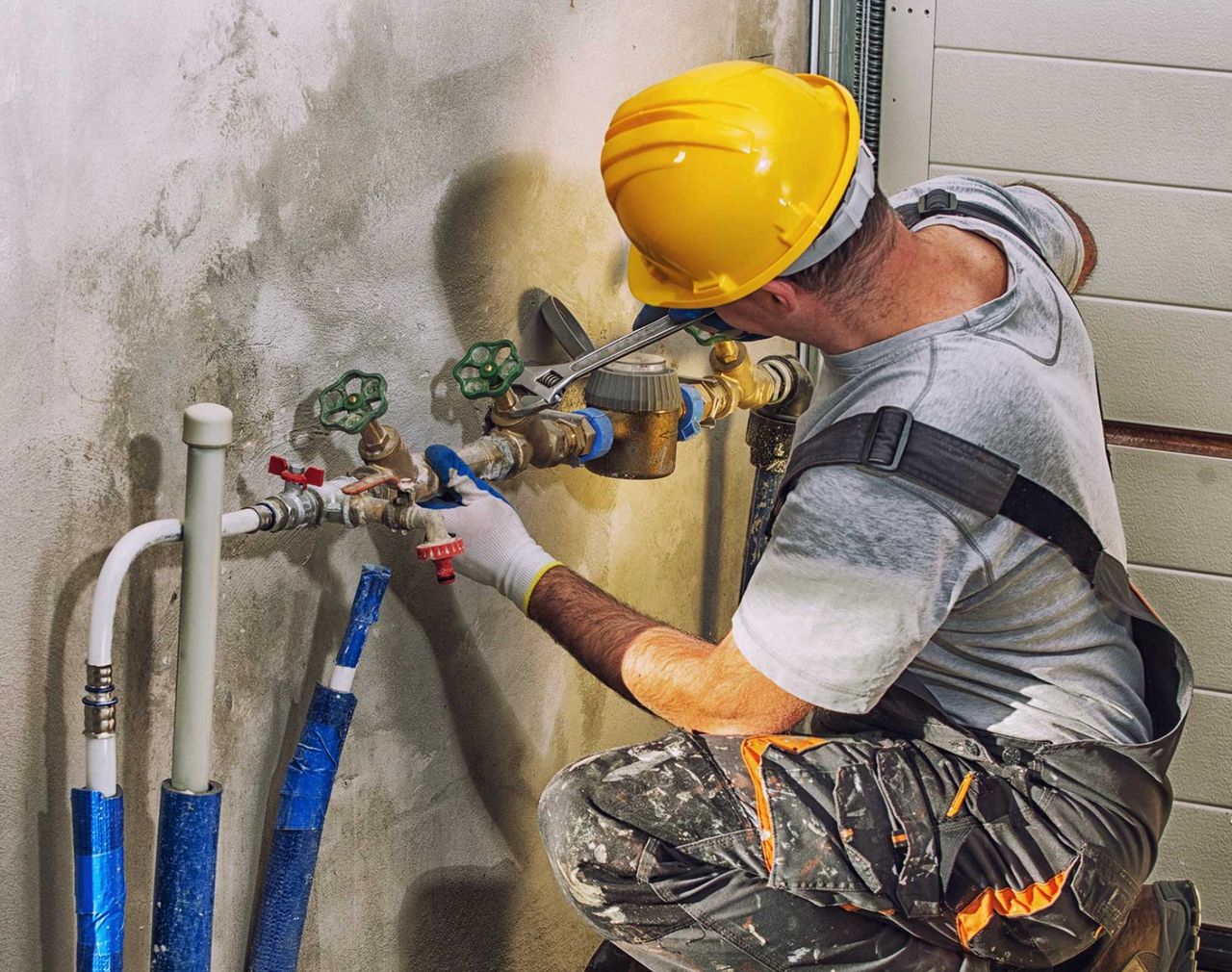
Bring in a qualified plumber as soon as possible to find and repair the source of the sewerage backflow. Preventing further contamination must come before beginning any cleanup work.
3. Gear Up with the Right Protection
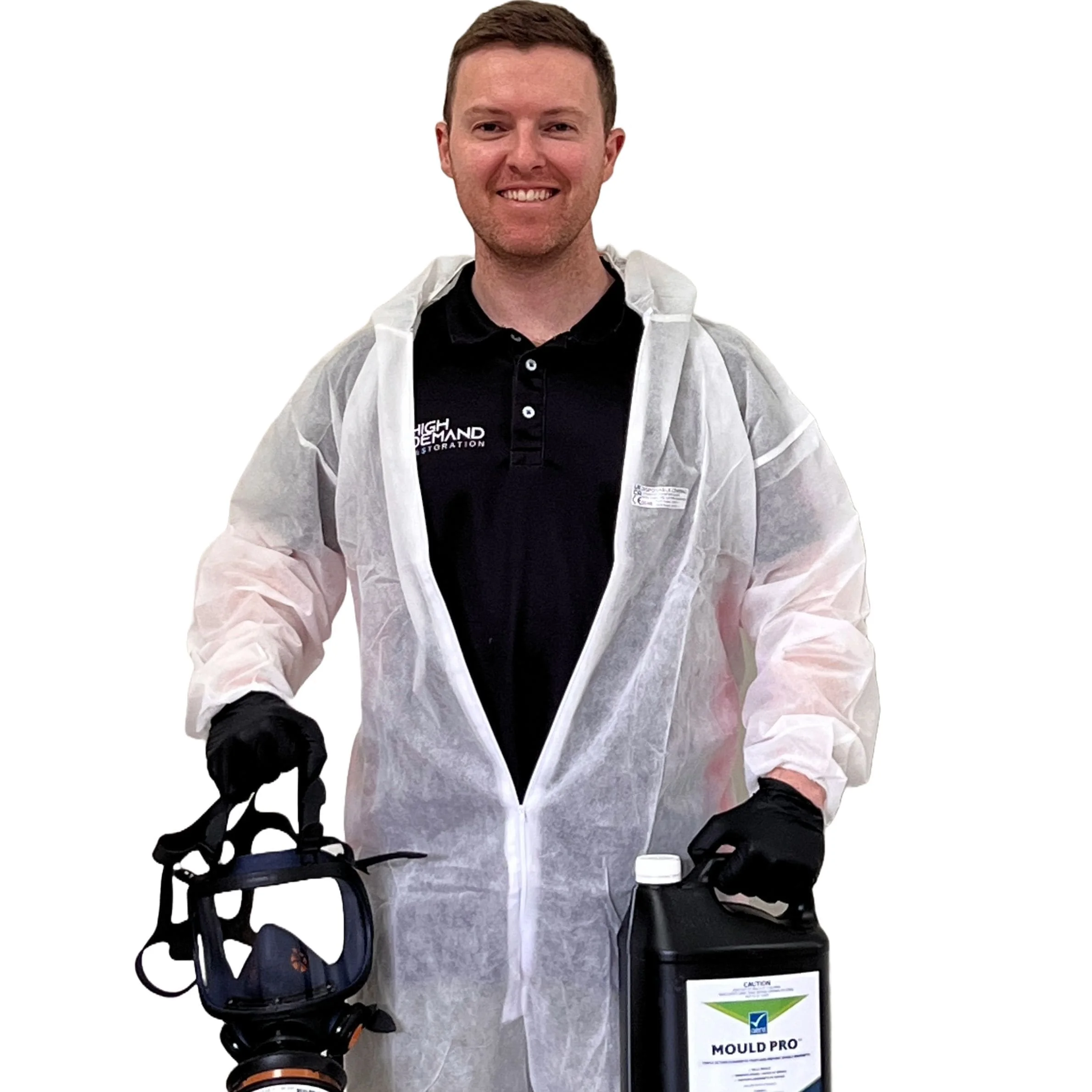
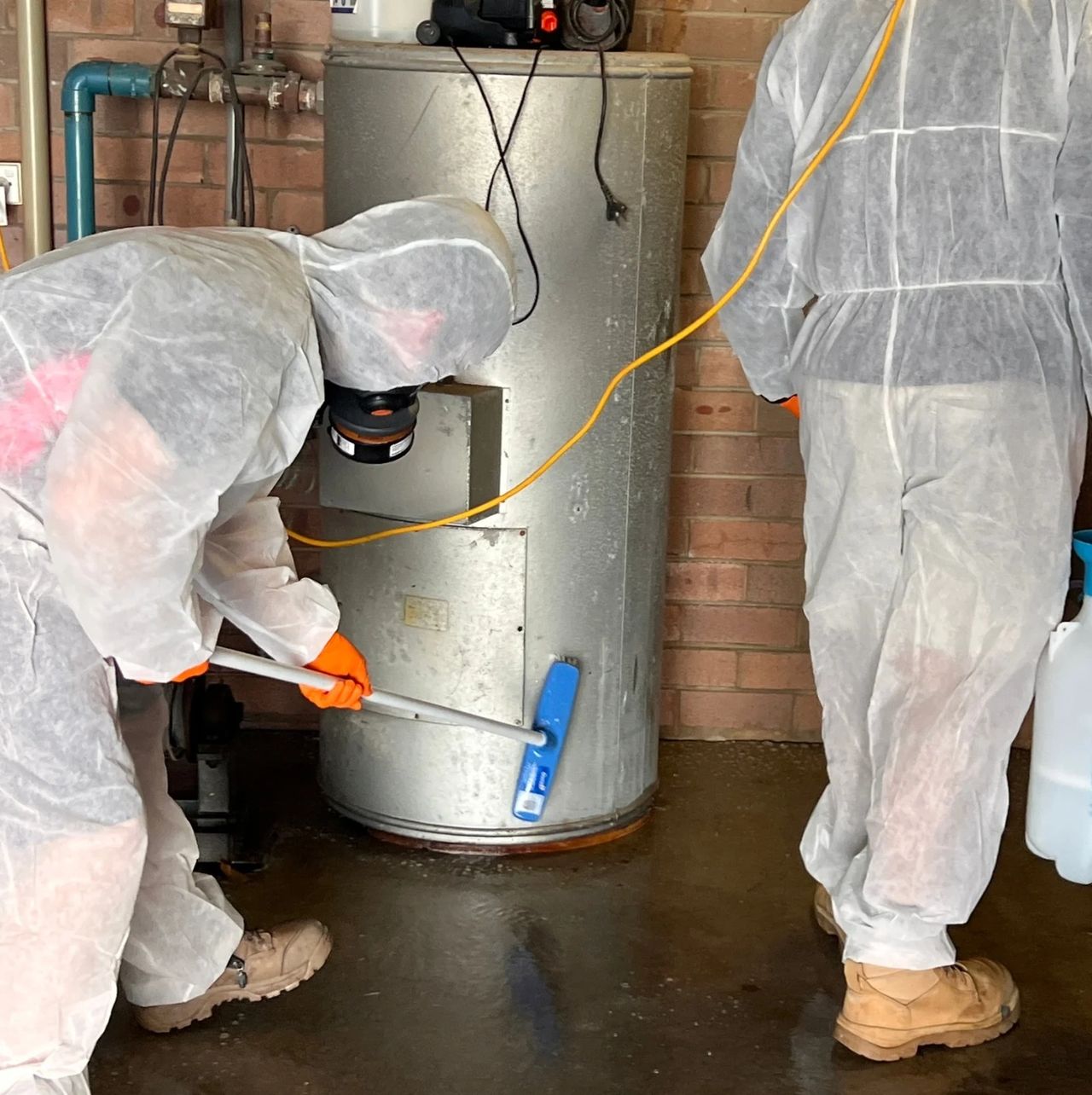
Wear proper personal protective equipment (PPE), including rubber gloves, waterproof boots, eye protection, a mask, and protective clothing. This helps reduce your risk of exposure to harmful germs and hazardous materials.
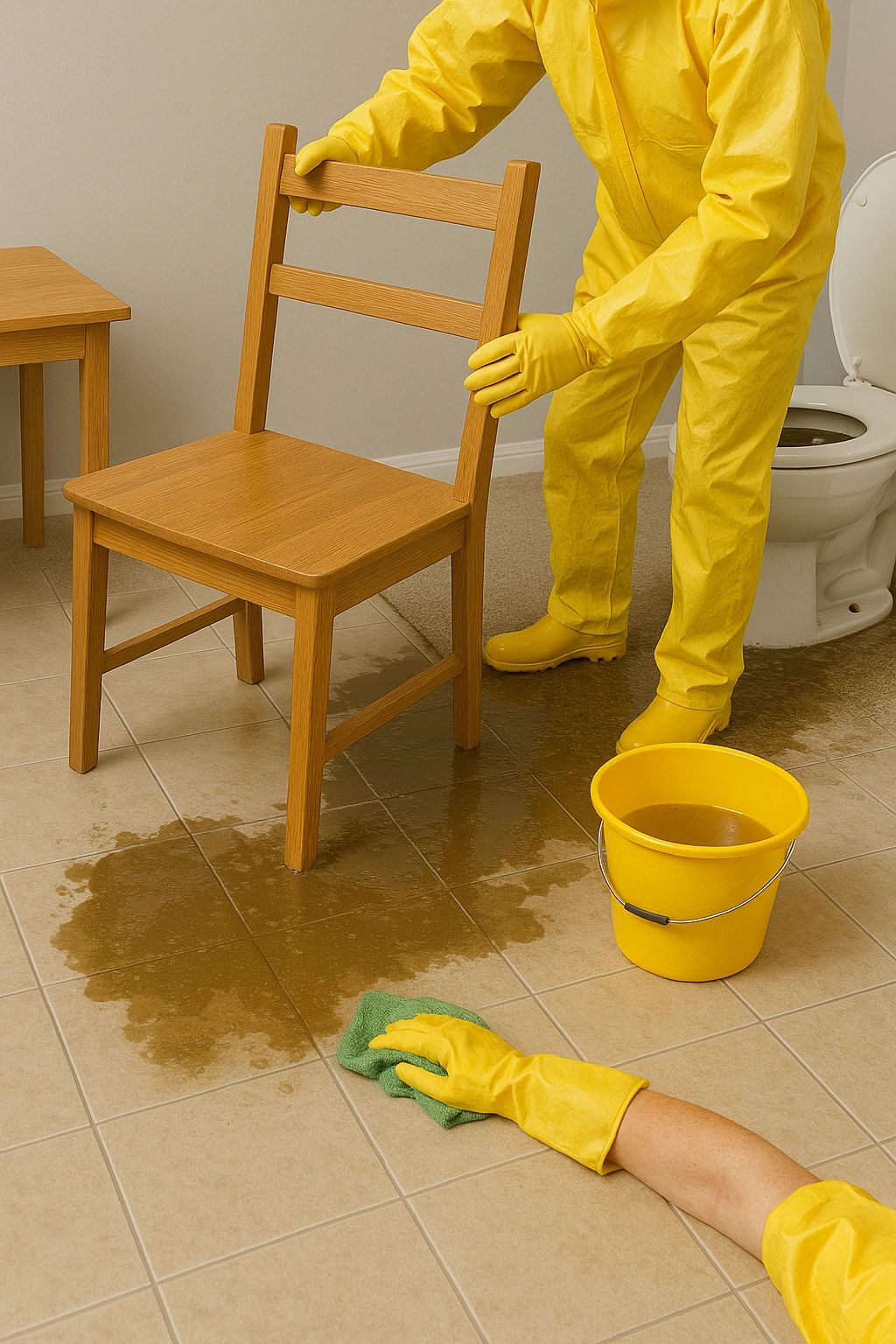
4. Move Unaffected Belongings
If furniture or items near the incident haven’t been contaminated, relocate them to a clean, dry area. This keeps them safe from potential exposure during the cleanup process.
5. Start Bulk Waste Removal
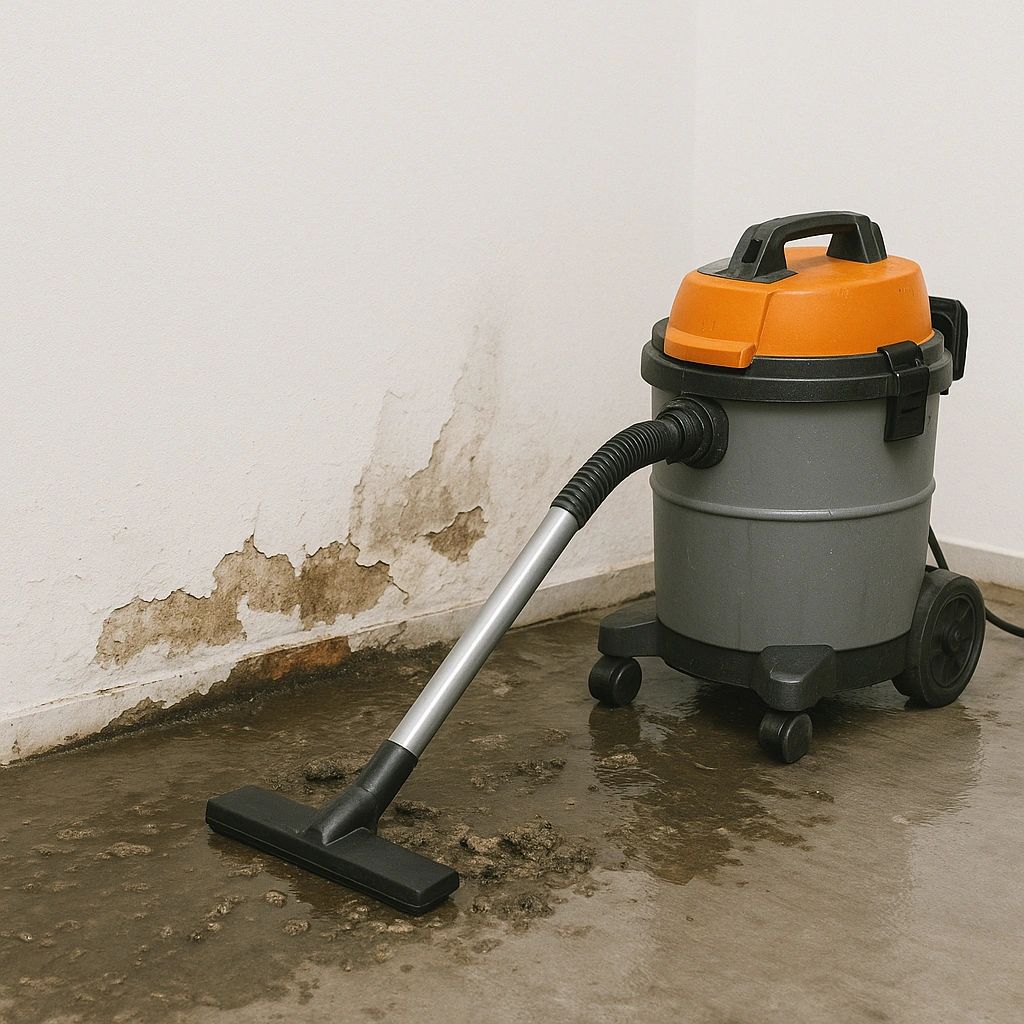
Use a wet/dry vacuum to extract sewage water and solid waste. This is the first step in restoring cleanliness to the affected area.
6. Rinse and Repeat
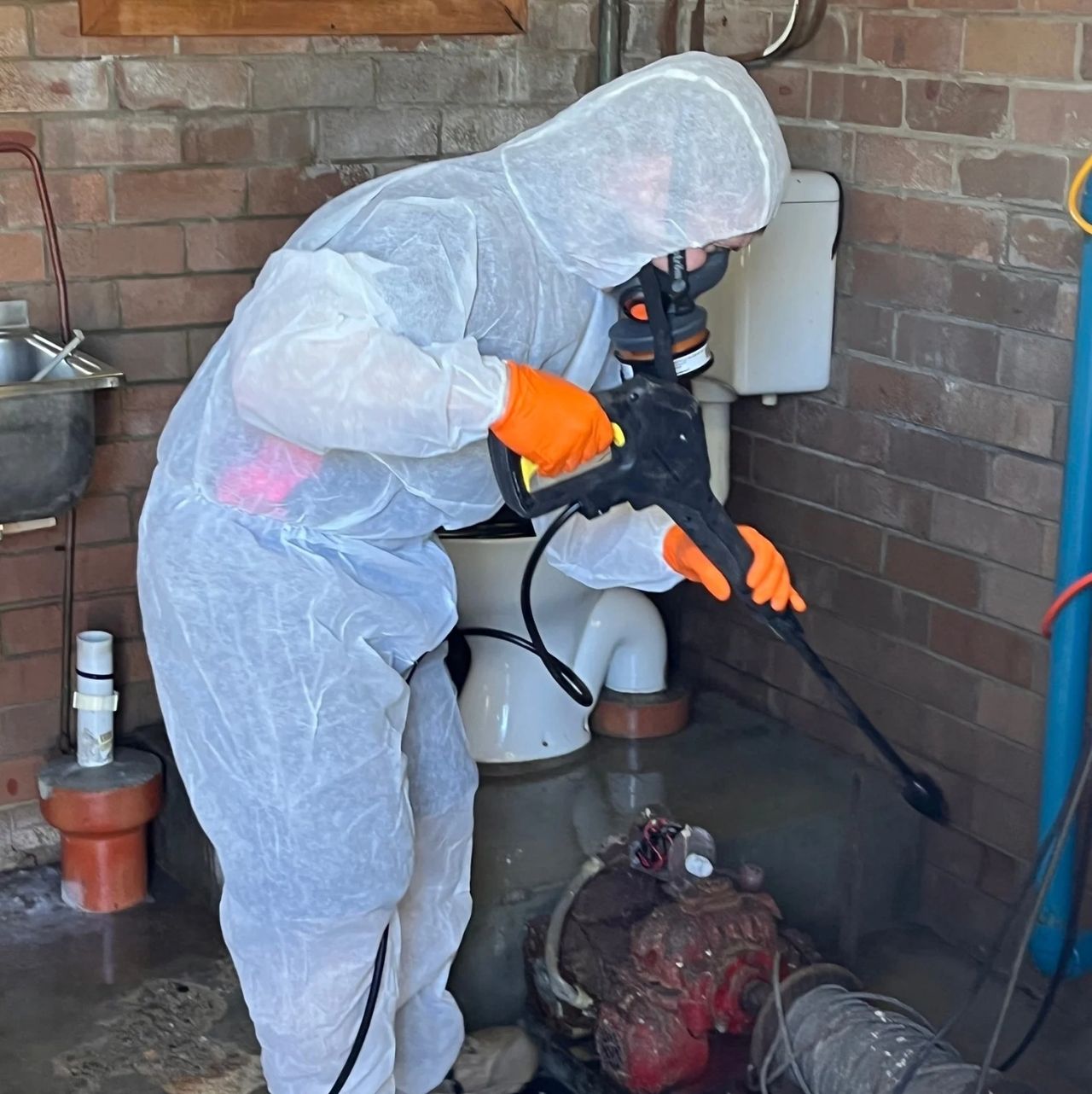
Thoroughly rinse the area with clean water, then vacuum again to eliminate any remaining waste and odours. This ensures the surfaces are properly prepared for effective sanitisation.
7. Remove Unsalvageable Items
Items that have absorbed contamination—such as carpet, drywall, insulation, and porous furniture—should be disposed of. Retaining these can cause ongoing odour, mould growth, and health issues.
.jpeg/:/cr=t:0%25,l:0%25,w:100%25,h:100%25/rs=w:1280 "Discarded building materials and debris in skip bin after water damage restoration.")
8. Give the Area a Final Rinse
Once waste and damaged materials are cleared, do a final rinse to ensure no debris remains before proceeding with sanitisation.
9. Sanitise All Affected Surfaces
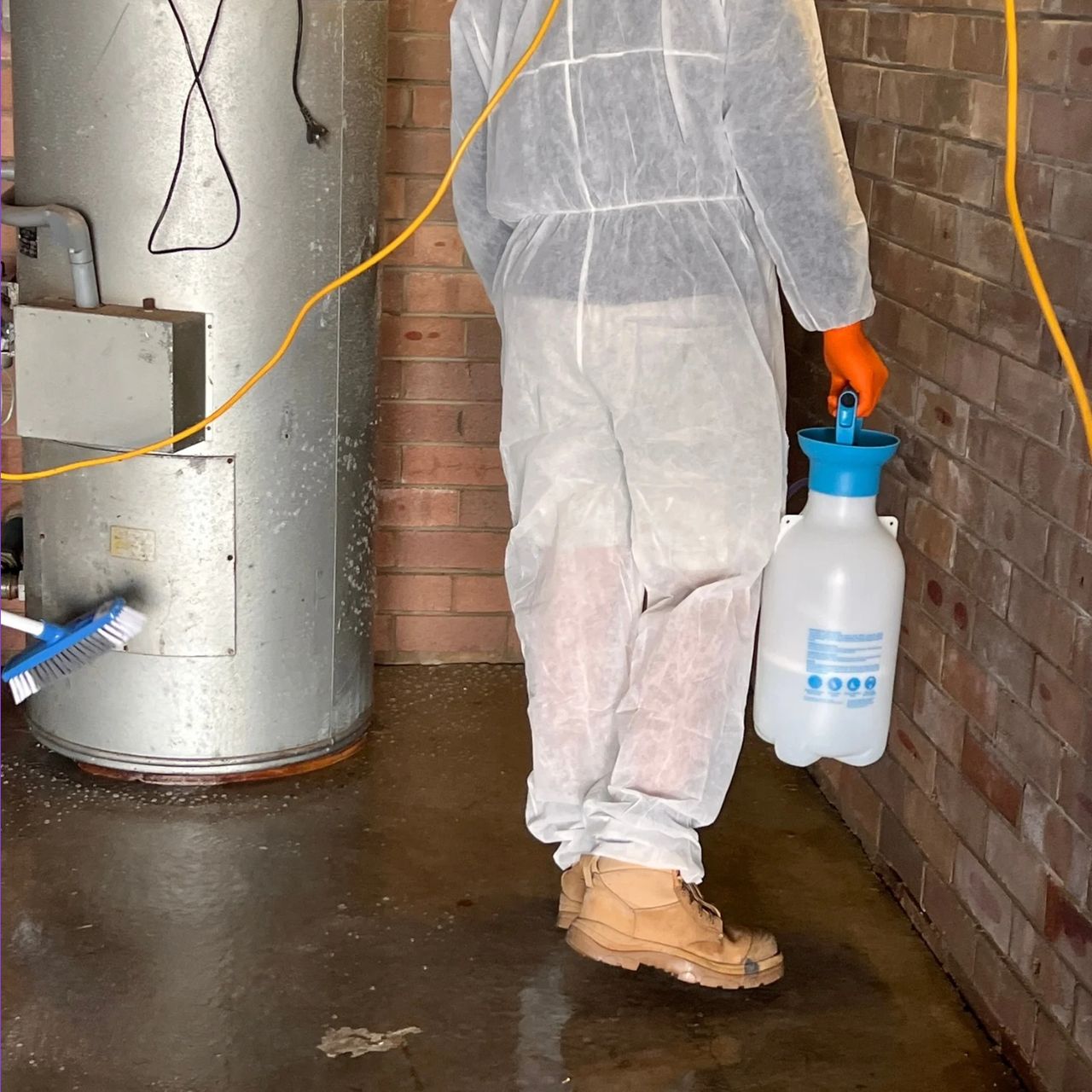
Use a commercial-grade sanitiser specifically formulated to eliminate bacteria and viruses. Thoroughly treat all contaminated surfaces, including walls, floors, baseboards, and tiled areas. Follow the manufacturer’s instructions carefully to ensure effective sanitisation.
10. Dry Everything Completely
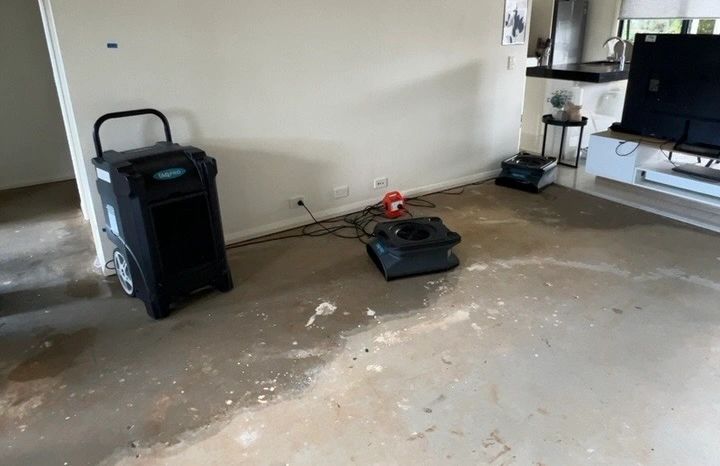
Use fans, air movers, dehumidifiers, and open windows to completely dry the area. A thoroughly dry environment helps prevent mould growth and further structural or health issues.
11. Restore and Replace What Was Removed
Once the area is fully cleaned and dried, begin repairs and replacement of materials like flooring, gyprock, and furniture. Make sure everything is properly sanitised and dry before bringing back any items.
Final Thoughts
Dealing with sewer backflow isn’t just about cleaning up—it’s about doing so safely, thoroughly, and with health in mind. If you're overwhelmed or unsure, don’t hesitate to call in a water damage restoration specialist.
Always remember: Put safety first, clean thoroughly, and take steps to avoid future issues.