Identifying Hidden Mould: When to Use Invasive Assessment Methods
Detecting mould isn’t always as simple as spotting fluffy white or black patches on walls or noticing a musty smell. Often, mould hides beneath the surface—behind walls, under floors, or within ceiling cavities. In these cases, invasive inspection methods can be crucial for uncovering hidden mould, stopping it from spreading, and protecting the health of building occupants.
But when exactly should invasive assessments be used—and what do they involve?
What Are Invasive Mould Inspection Methods?
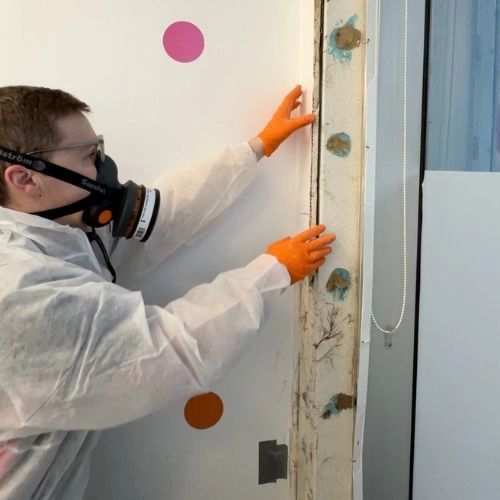
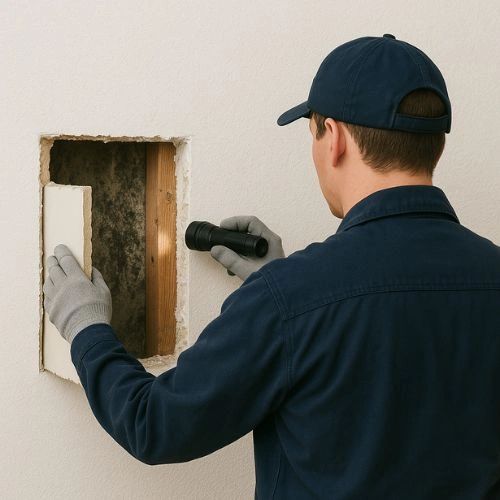
Invasive mould inspections involve physically accessing areas that are not visible or accessible during a standard surface inspection. These methods help professionals assess conditions inside building materials or structural cavities where moisture and mould may be concealed.
Common invasive techniques include:
Cutting small holes in plasterboard or cabinetry to inspect or sample internal wall cavities
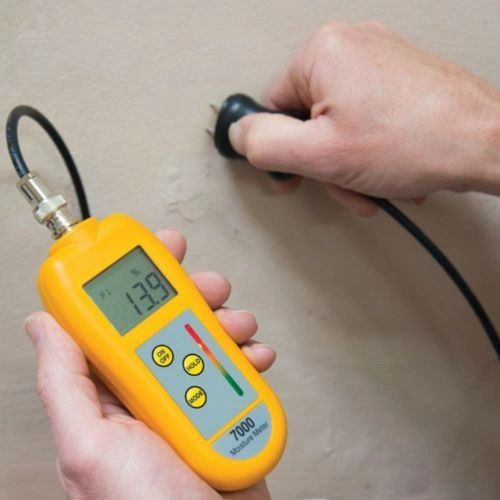
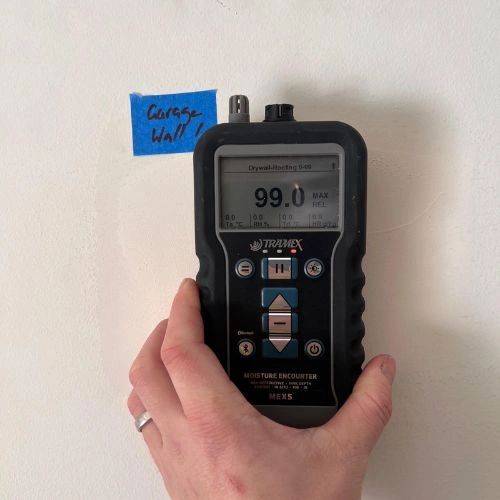
Using pin probes or moisture meters to detect moisture deep within timber, gyprock, or subflooring
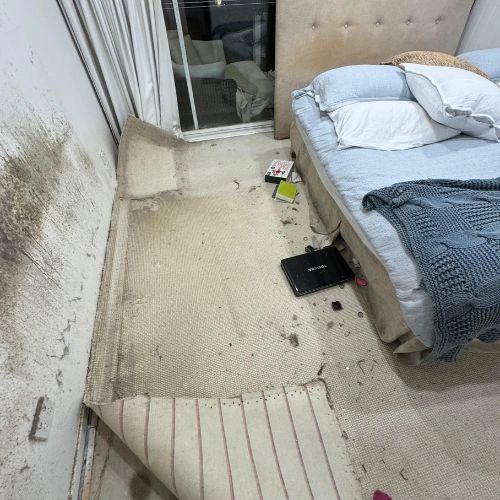
Lifting carpets and underlay to check for mould or dampness underneath
Removing skirting boards or floorboards to identify signs of water damage or fungal growth
These inspections are typically carried out by trained professionals to ensure minimal disruption and accurate interpretation of findings.
When Are Invasive Mould Inspections Necessary?
You should consider invasive mould inspection methods in the following situations:
1. When Materials Have Been Wet for a Long Time
If your property has experienced a leak, flood, or damp subfloor—even if surfaces look dry—there’s a risk of hidden mould. Moisture can become trapped in wall cavities, insulation, or under floors, creating ideal conditions for mould growth. Invasive inspections help determine whether remediation is needed before structural damage or health issues develop.
2. When Moisture Meters Show High Readings
Non-invasive moisture meters might detect elevated moisture levels in walls, timber, or gyprock. This suggests deeper, unseen moisture could be present. Invasive testing allows professionals to confirm the extent of the issue and pinpoint the moisture source.
3. When There’s a Musty Smell but No Visible Mould
A persistent musty odour is one of the most common signs of hidden mould. If you can smell mould but can’t see it, it’s likely growing behind walls, under flooring, or in ceilings. Carefully placed inspection holes or lifted floor coverings can help trace and confirm the source of contamination.

4. When Air or Surface Tests Show Elevated Spore Levels
Air sampling or surface swabs may detect high mould spore counts even when no visible growth is present. This often points to a hidden source. Invasive methods can then be utilised for targeted investigation to locate and address the issue properly.
5. When People Are Experiencing Unexplained Health Symptoms
Unexplained respiratory issues, skin irritation, fatigue, or headaches can be linked to mould exposure. If occupants are showing symptoms but no mould is visible, an invasive inspection can help uncover concealed mould that may be affecting indoor air quality.

Final Thoughts
Invasive mould inspection methods play a crucial role in identifying and resolving hidden mould problems. While not always necessary, they’re invaluable in situations where:
Moisture is suspected but mould is not visible
Odours, health symptoms, or test results indicate deeper contamination
Long-term water damage has occurred
If you suspect hidden mould in your home or workplace, it’s best to call in qualified professionals. With the right tools and expertise, they can safely conduct targeted inspections—helping you take action before the issue becomes more severe or costly.