Sewerage Risks You Probably Didn’t Know About
When people hear the word sewerage, the first thing that usually comes to mind is a foul smell and a dirty mess that just needs to be cleaned up. But the reality is that sewerage is much more dangerous and complicated than it seems. Whether it comes from a blocked drain, an overflow, or a cracked pipe, sewerage contamination can pose serious risks to your health, your home, and the environment. Here are a few things you may not have considered:
1. Sewerage Is Packed With Harmful Pathogens
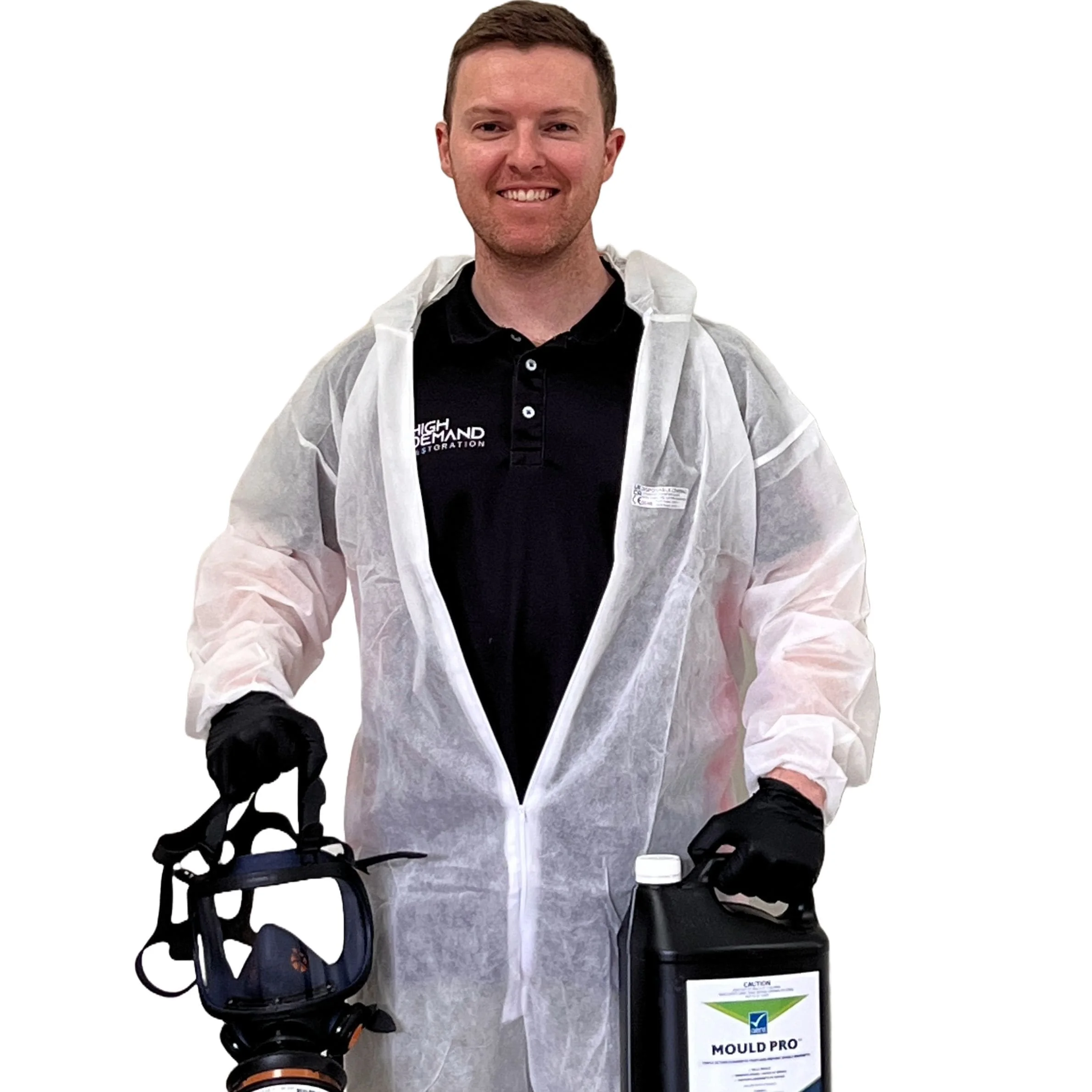
Sewer water contains a cocktail of bacteria, viruses, and parasites. Exposure—even without direct contact—can lead to a wide range of illnesses, from stomach bugs to severe skin infections. Airborne particles and contaminated surfaces can also spread these pathogens. That’s why dealing with sewerage should always involve proper safety gear and professional expertise.
2. It Can’t Just Be “Washed Away”
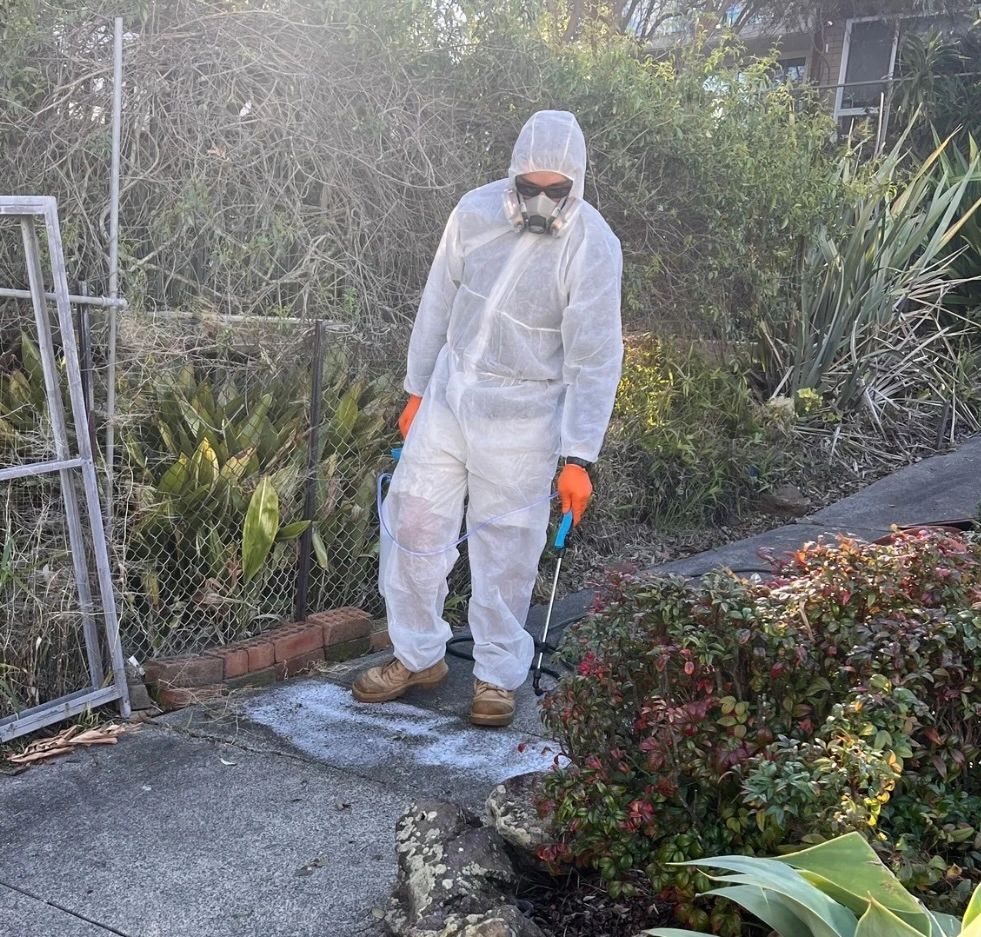
Unlike ordinary waste or rainwater, sewerage must be carefully collected and disposed of back into the sewer system where treatment facilities can neutralise it. Simply hosing it down or relying on household cleaning products only spreads the contamination and could even breach local health regulations.
3. Outdoor Areas Aren’t Safe Either
If sewerage contaminates your garden, driveway, or soil, it doesn’t just fade with time. Pathogens can seep into the ground, flow into drains, or spread to nearby properties. Proper clean-up involves containing the affected area, removing contaminated soil or materials, and disposing of them correctly to avoid environmental damage.
4. Many Affected Household Materials Can’t Be Saved
Porous items like carpet, underlay, gyprock, insulation, and even certain types of timber absorb sewer water almost instantly. Unfortunately, these materials can’t usually be disinfected effectively. To eliminate ongoing health risks and prevent mould growth, professionals often recommend complete removal and replacement.
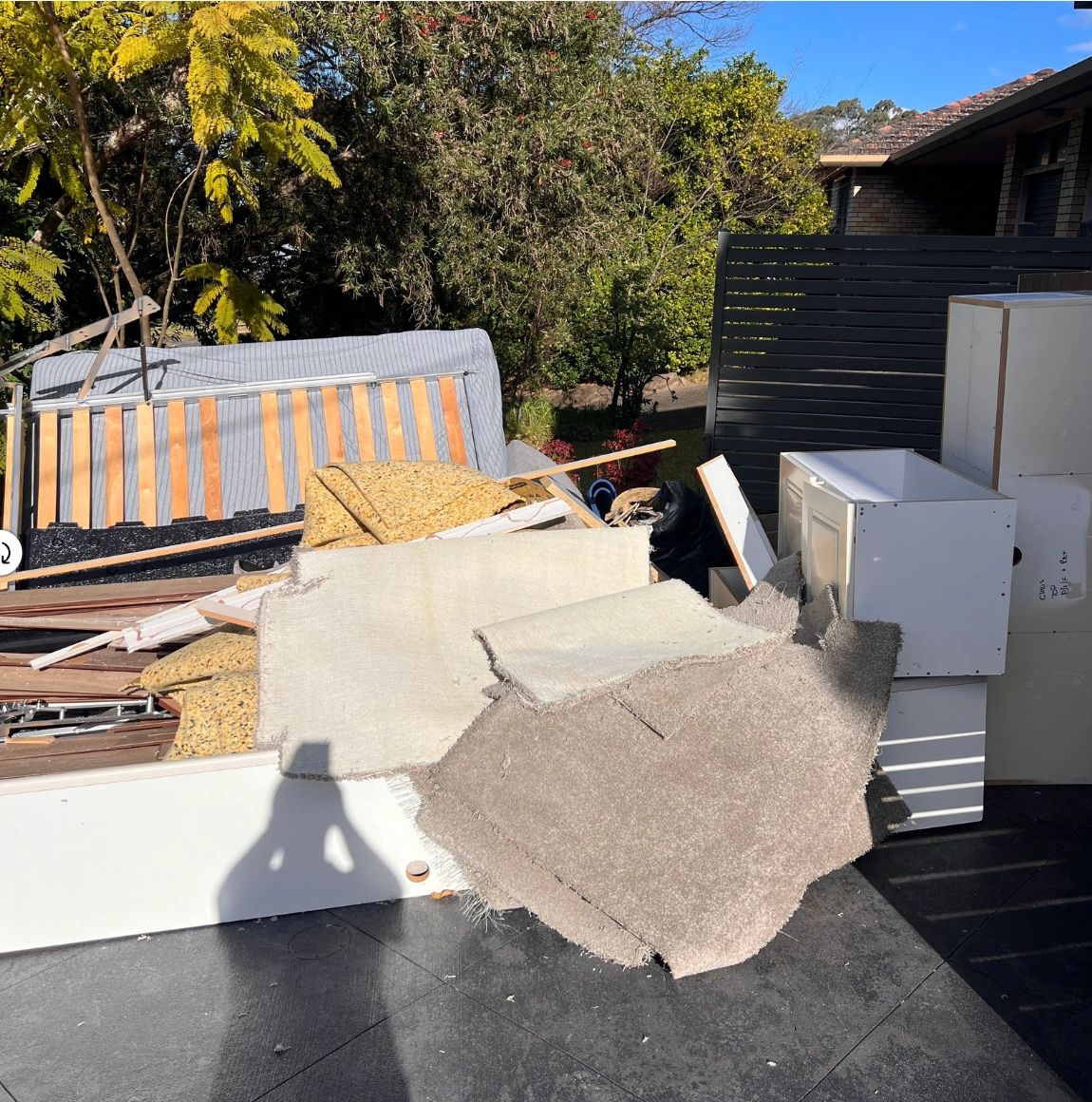
Contaminated carpets, underlay, and other porous materials must be removed, as they cannot be effectively disinfected.
Bottom line: Sewerage contamination isn’t a DIY job. It requires specialised training, safety equipment, and strict disposal methods. To truly protect your home and health, it’s best to leave the clean-up to experienced professionals who know how to manage the risks.