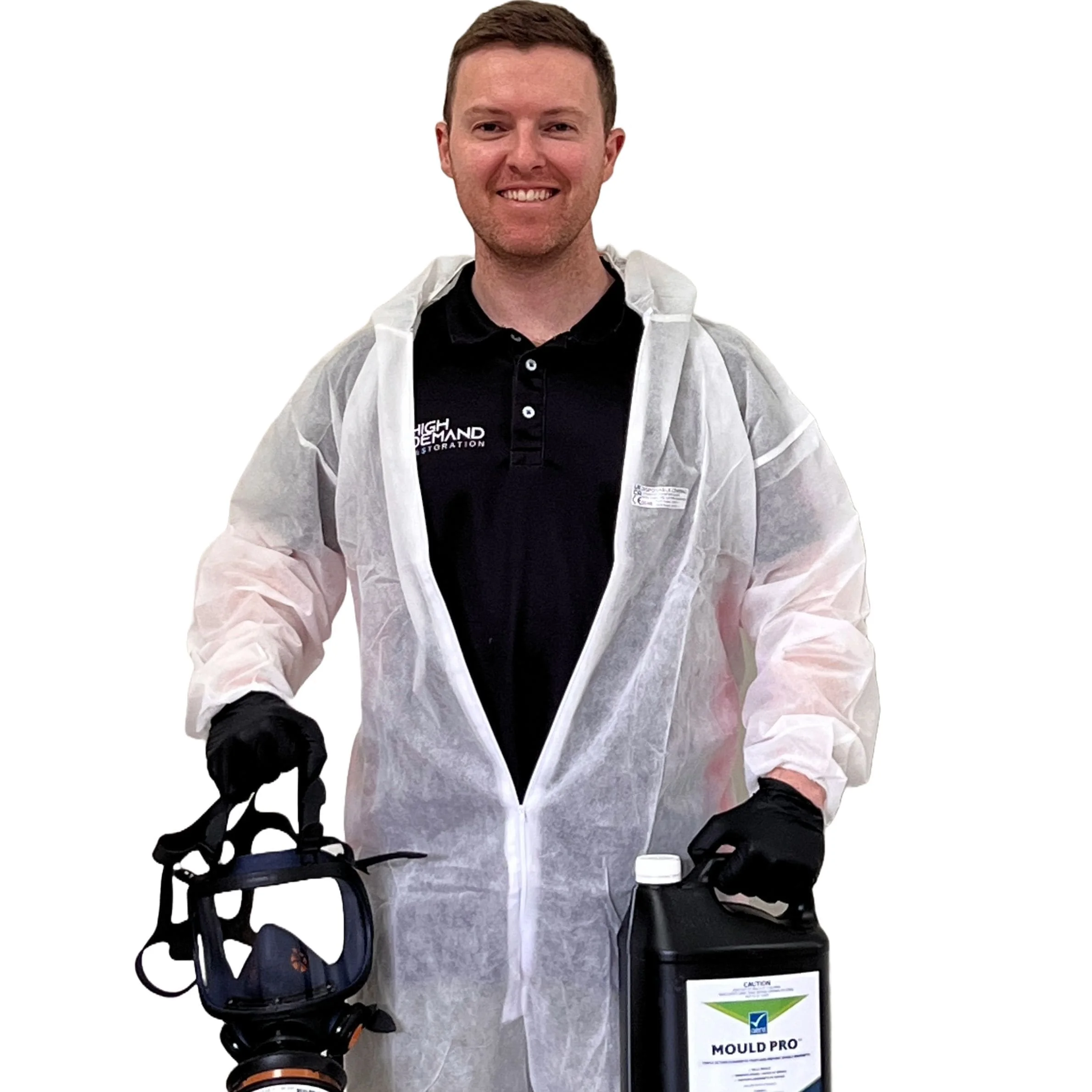
Think Twice Before Hiring Carpet Cleaners for Flood Damage
When floodwaters affect your home or business, taking immediate action is crucial — but so is making the right choice in who you call for help. While it may be tempting to contact a local carpet cleaning company for a quick and affordable “dry-out,” this shortcut can lead to serious issues and higher costs later on.
Here’s why relying on a carpet cleaning company for flood restoration could do more harm than good:
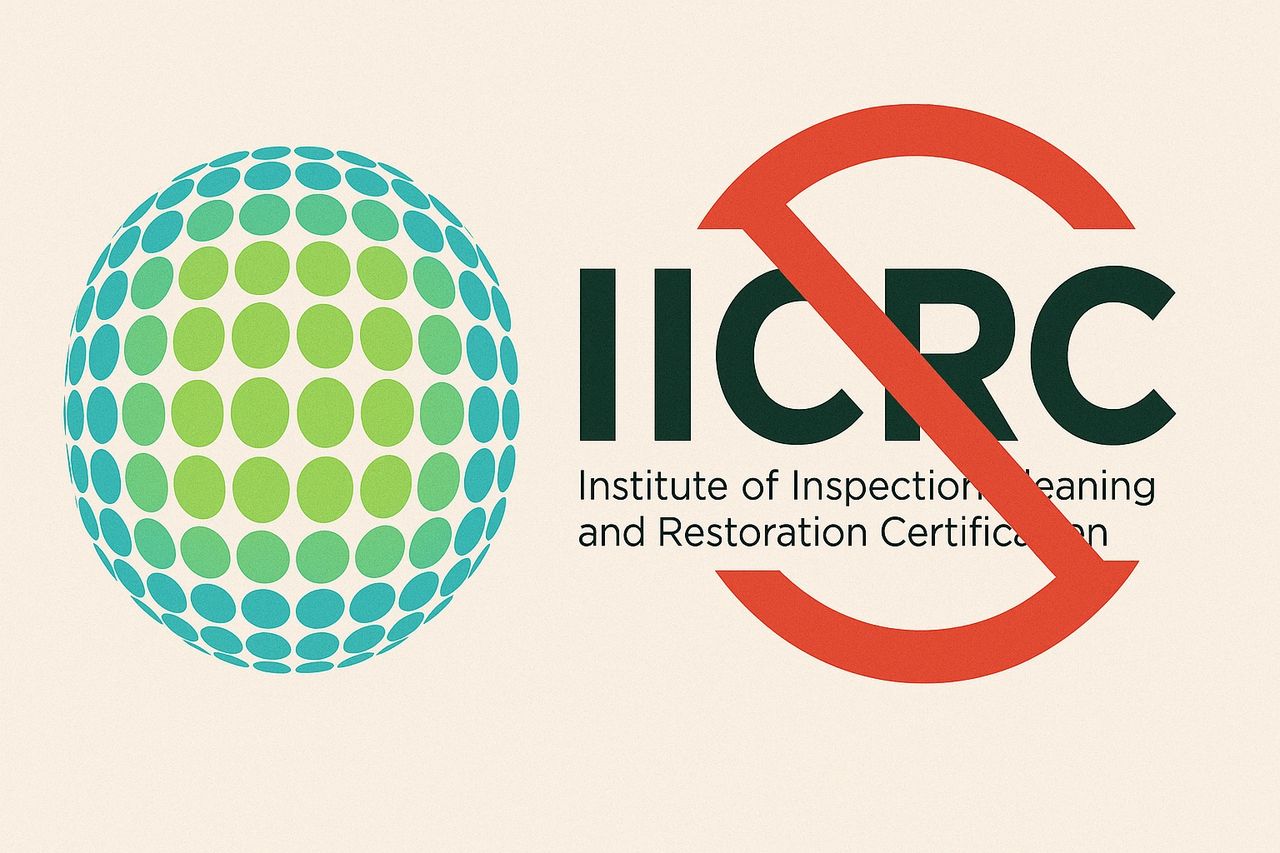
1. They’re Often Not IICRC-Certified
The Institute of Inspection, Cleaning and Restoration Certification (IICRC) sets the international standard for water damage restoration. Certified technicians are trained to handle flood-affected environments using industry-approved drying methods, safety procedures, and contamination control.
Most carpet cleaners are not IICRC-certified, which means they may overlook critical steps — increasing the risk of hidden moisture, mould growth, and structural damage.
2. Limited Knowledge of Proper Drying Techniques
Flood restoration isn’t just about extracting water — it’s a science. It requires:
Moisture mapping
Humidity control
Airflow and evaporation management
Daily monitoring and adjustments
Carpet cleaners typically lack training in these areas and may dry only the surface layer, leaving deeper materials saturated and prone to long-term damage.
3. Lack of Professional Testing Equipment
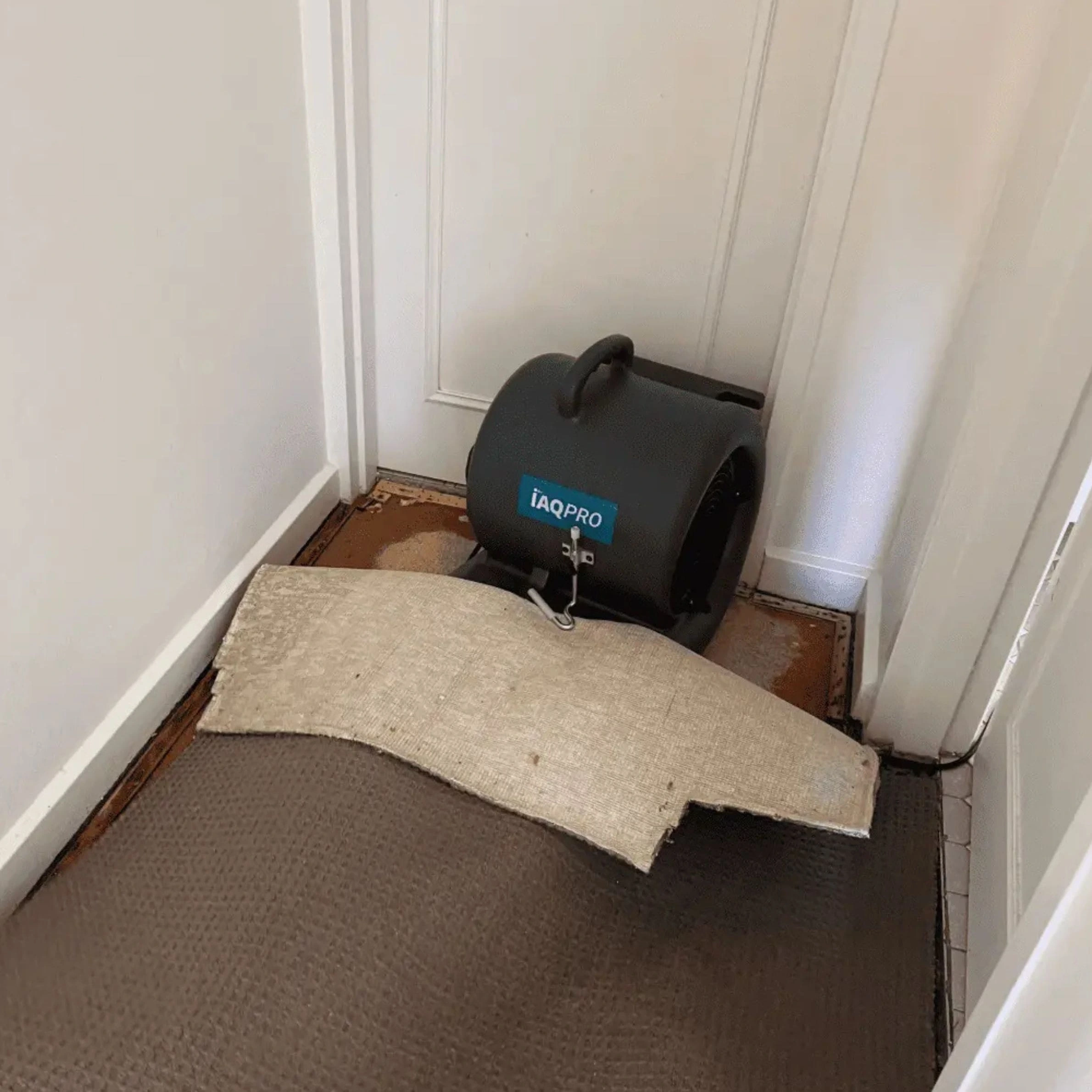
Floodwater often penetrates beyond the carpet — into the underlay, subfloor, wall cavities, insulation, and even timber frames.
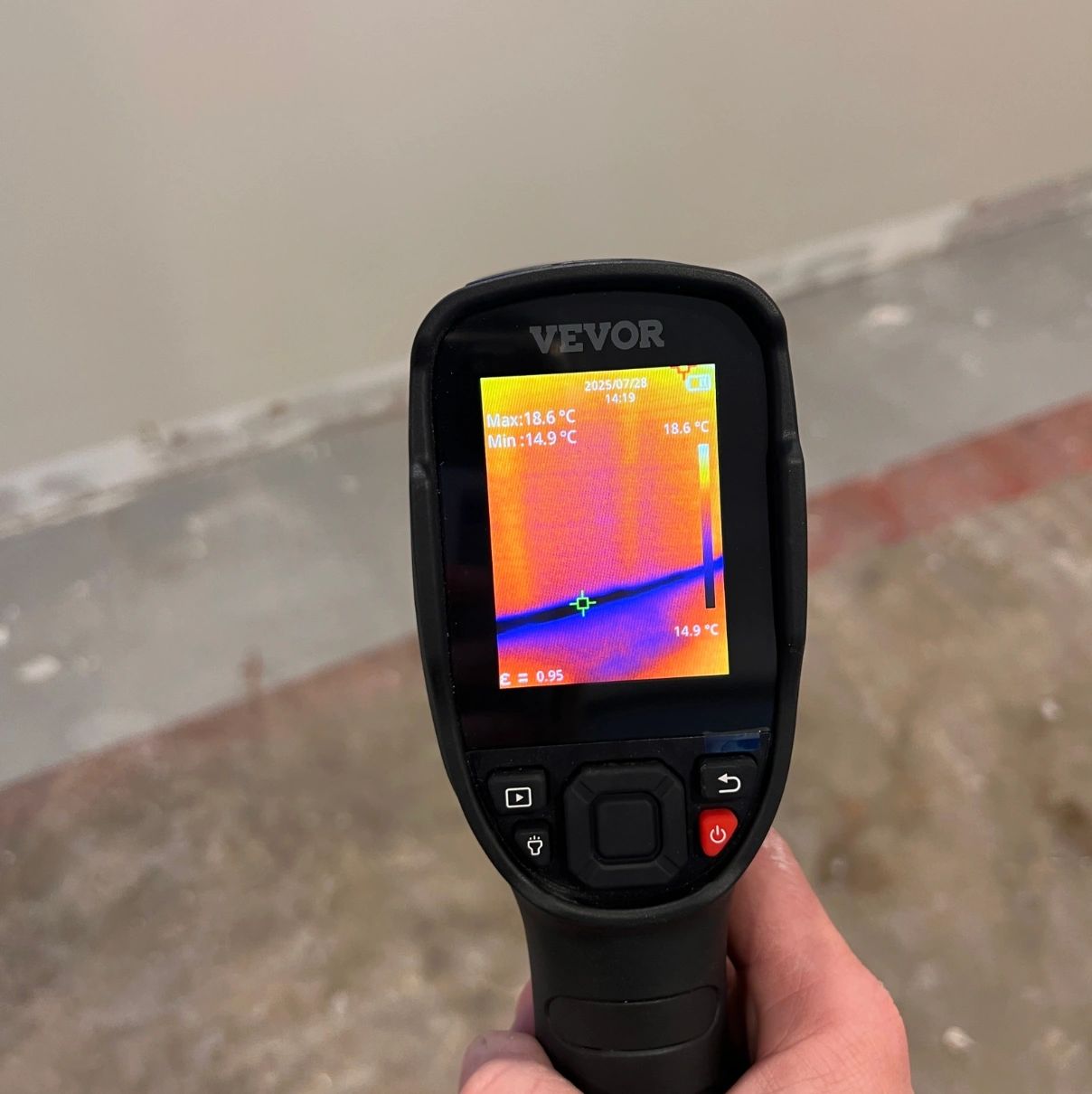
Professional restorers use thermal imaging cameras, hygrometers, and moisture meters to detect and monitor hidden moisture. Carpet cleaners rarely carry this equipment, making it easy to miss areas that need drying — which can result in mould growth or rot.
4. Inexperience with Complex Water Intrusion Events
Floods can impact every layer of a property — not just the carpet. Structural materials, cabinetry, plasterboard, and even electrical systems may be affected.
A qualified flood restoration team will:
Assess the full extent of the damage
Develop a customised drying plan
Prevent secondary issues like swelling, mould, and odour
In contrast, most carpet cleaners focus only on the carpet, overlooking more serious concerns that may go untreated.
.jpeg/:/cr=t:0%25,l:0%25,w:100%25,h:100%25/rs=w:1280 "Moisture meter reading water damage levels on interior wall.")
5. Improper Handling of Different Building Materials
Not all materials respond to water the same way. Some, like certain carpets and underlays, can sometimes be dried in place, while others (like heavily saturated carpet padding) may need to be removed entirely.
Professional restorers are trained to make these decisions based on safety, contamination risk, and drying feasibility. Carpet cleaners may apply a one-size-fits-all approach, potentially causing more damage or overlooking compromised layers beneath the carpet.
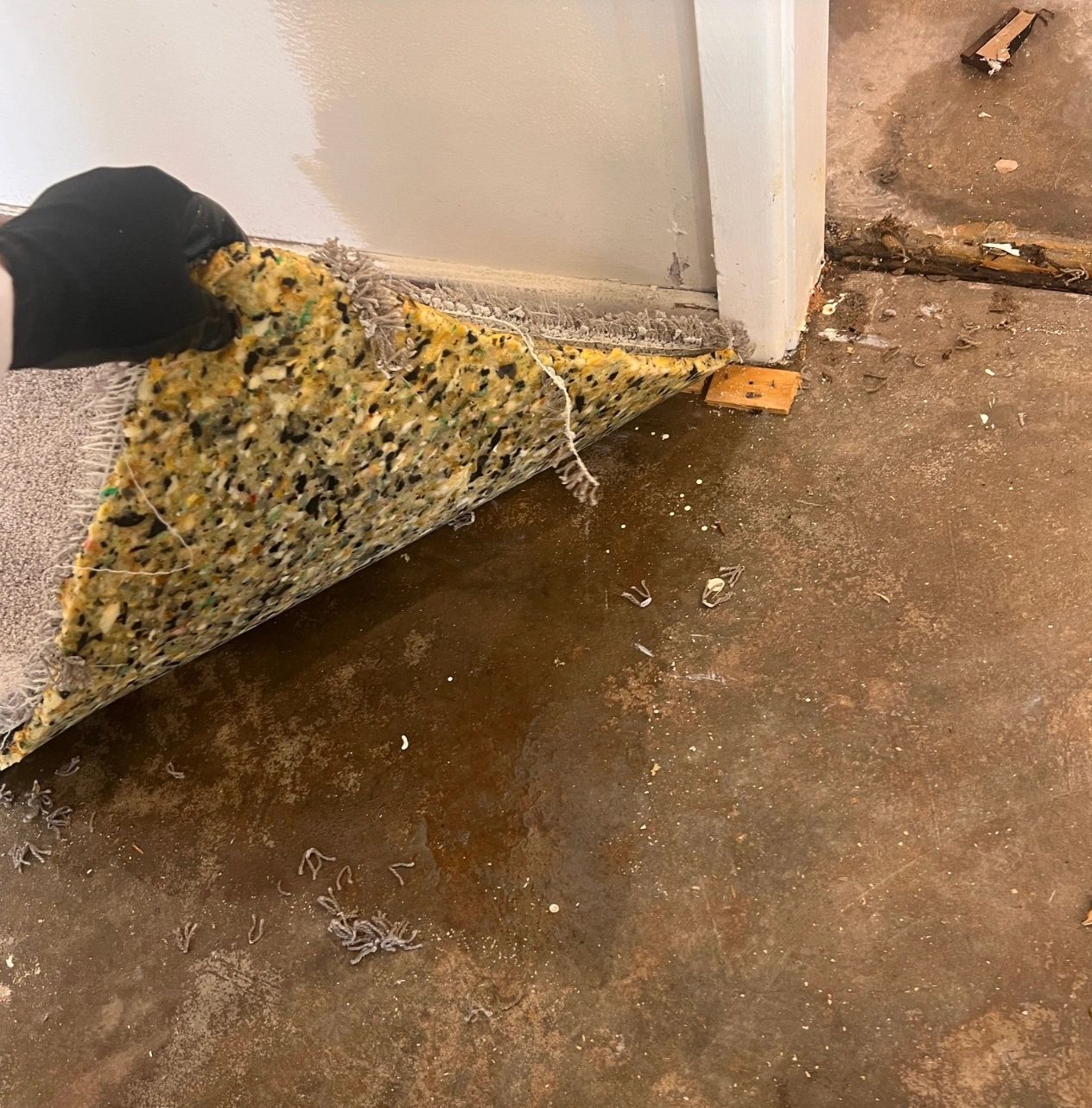
6. They’re Not Equipped to Handle Contaminated Water
If your flood involves Category 3 water (sewage or “black water”), the risk to health is extreme. In these cases:
Carpets, underlay, and porous materials must be removed
Deep cleaning is not enough — proper decontamination is essential
Biohazard protocols must be followed
Carpet cleaners are generally not licensed or trained to deal with these high-risk situations, putting your health and compliance at risk.
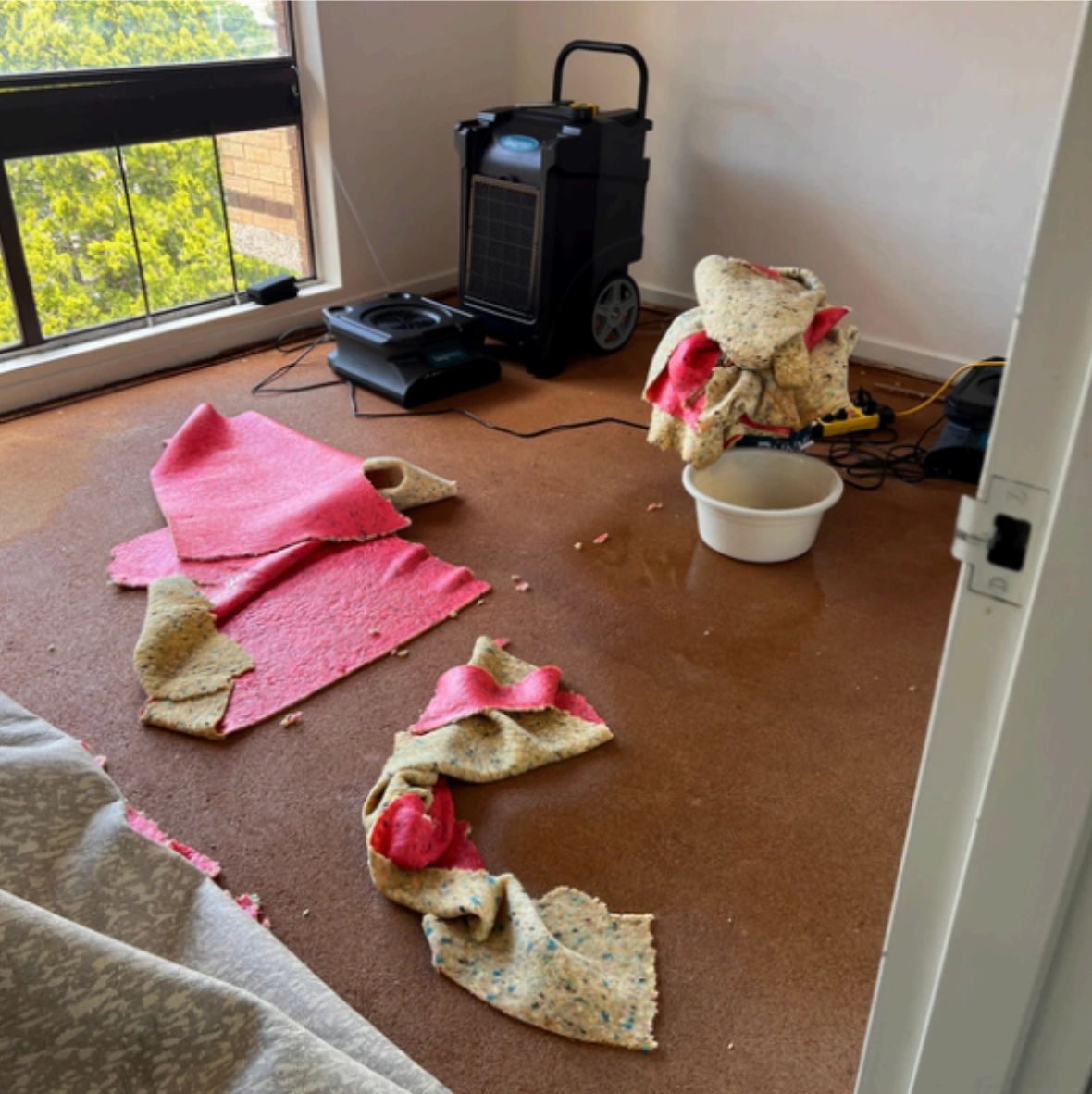
The Bottom Line
Carpet cleaning companies may do an excellent job at removing stains — but flood restoration is a completely different field. Without specialised training, equipment, and certification, they could leave your property vulnerable to:
Mould growth
Structural issues
Poor indoor air quality
Recurring odours
Health risks
For peace of mind and proper protection, always engage a professional IICRC-certified flood restoration company. They’ll ensure your property is thoroughly dried, safely restored, and compliant with industry standards.