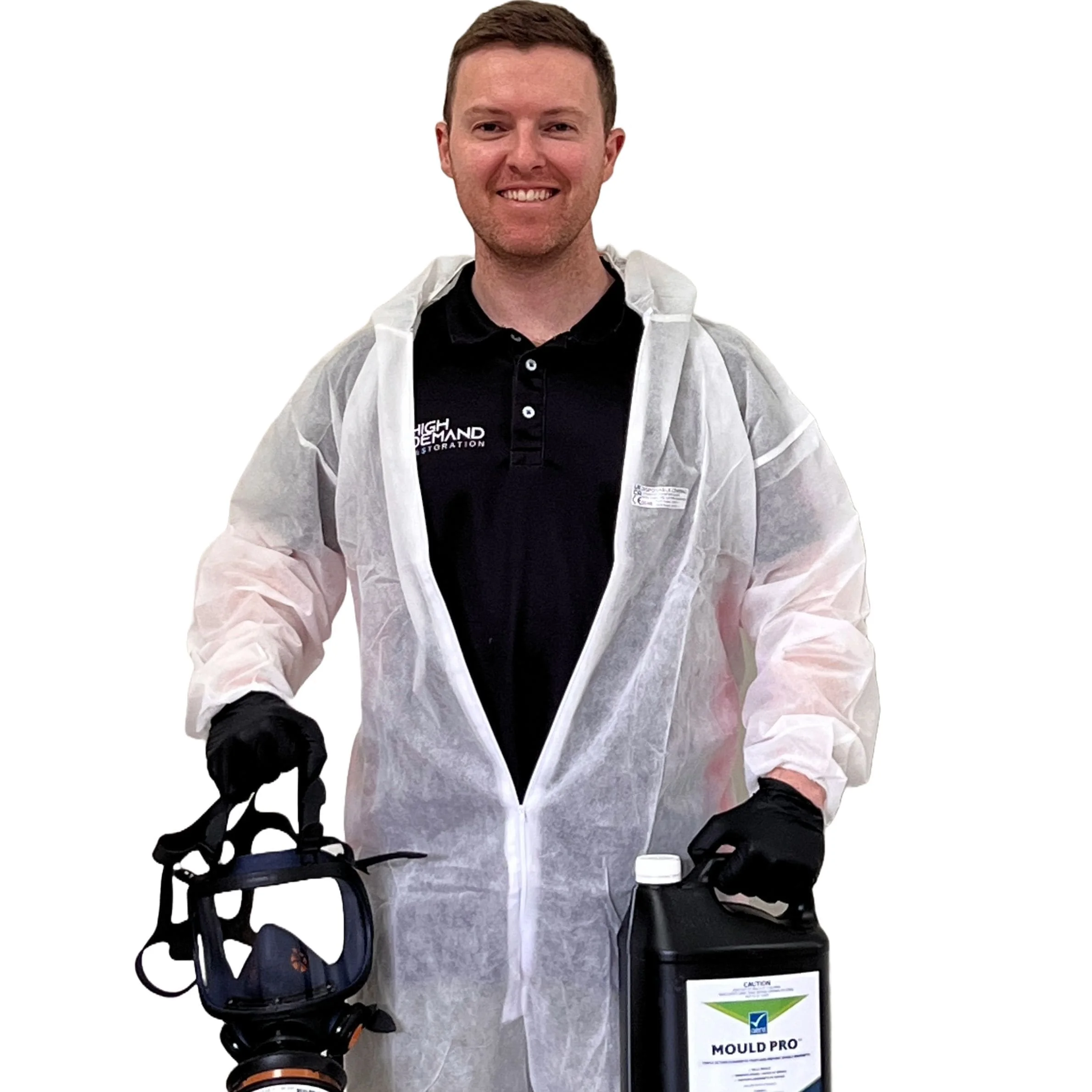
Why We Prioritise Physical Mould Removal Instead of Relying on Sprays
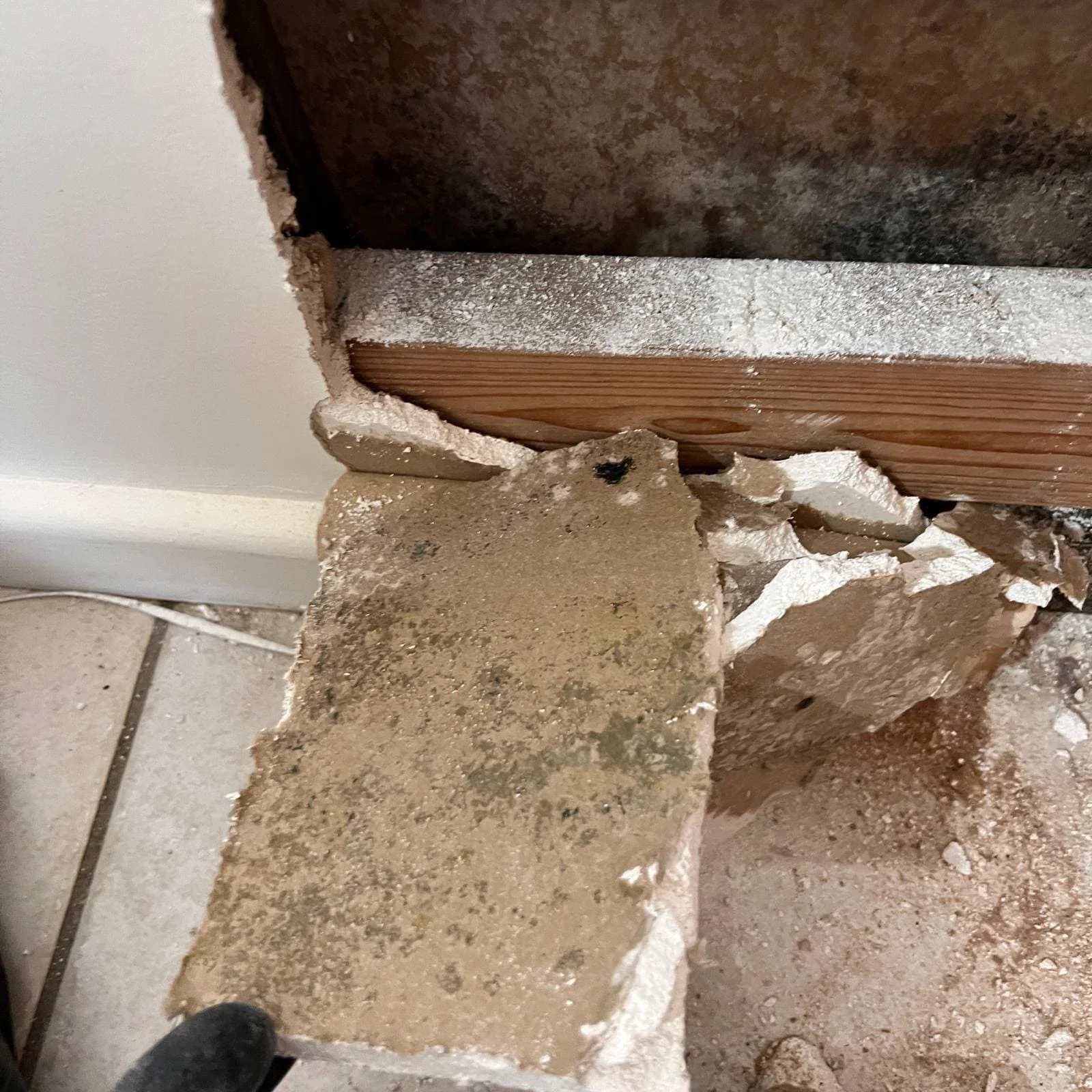
When we complete mould remediation, we focus on physically removing the mould rather than depending solely on chemical sprays. Mould often embeds itself into materials, so proper remediation may involve cutting out affected plasterboard, sanding contaminated timber, or grinding surfaces to eliminate the source of growth.

You might be asking — why is physical removal so essential?
Our team is trained and certified in accordance with the IICRC S520 Standard for Professional Mould Remediation, and we strictly follow the procedures outlined in that guideline. The S520 makes it clear that source removal — not just surface spraying — is the most effective approach.
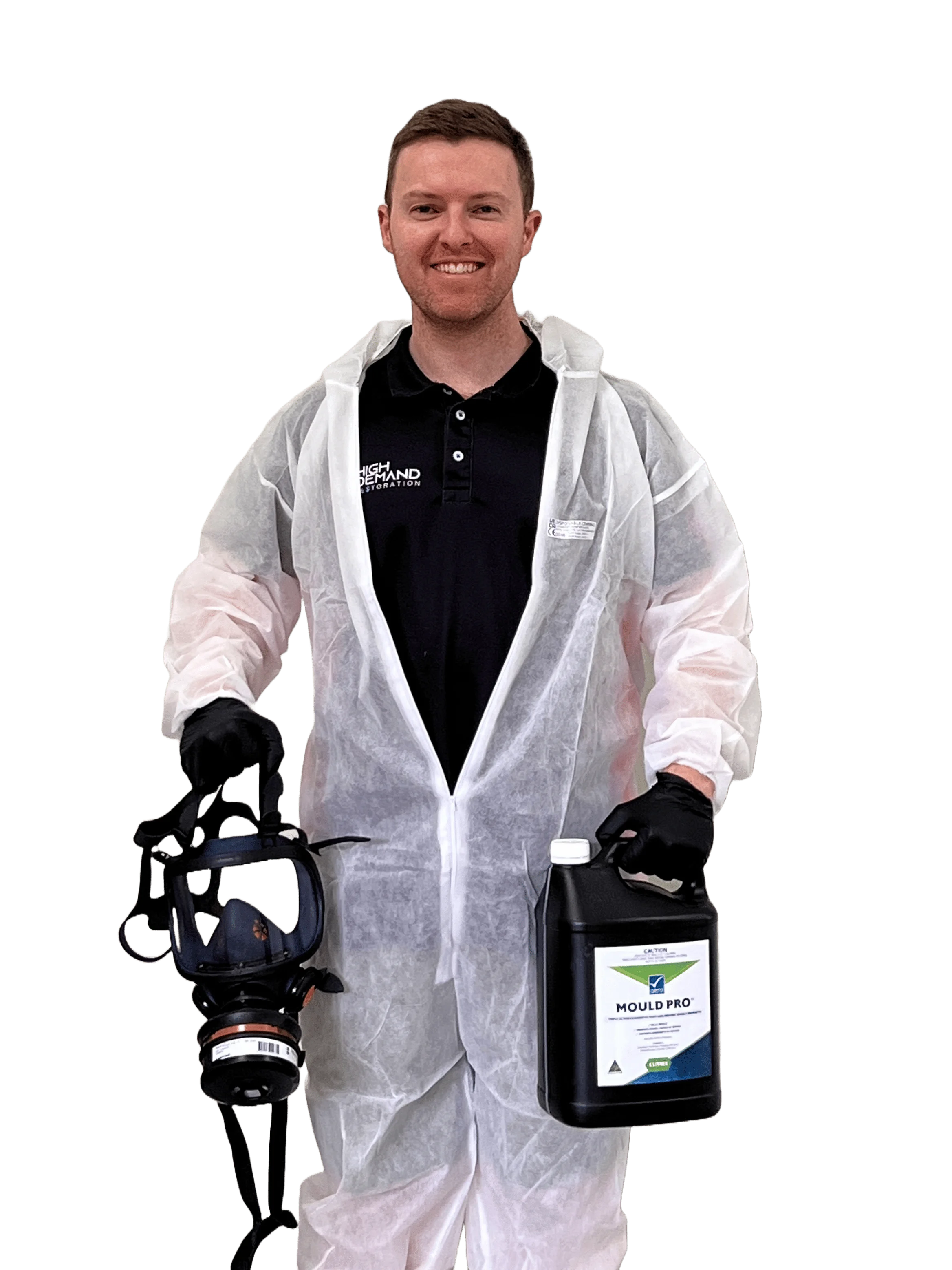
Here are key sections from the S520 that explain why physical removal is necessary:
S520 – Page 24
Section 1: Principles of Mould Remediation → 1.4 Contamination Removal
“Physically removing mould contamination is the primary means of remediation. Mould contamination should be physically removed from the structure, systems, and contents.”
“Attempts to kill, encapsulate, or inhibit mould instead of proper source removal generally are not adequate.”
S520 – Page 25
Section 2: Mould Cleaners, Antimicrobial Chemicals, and Coatings → 2.1.1 Limitations of Use
“No liquid product (antimicrobials, stain removers, and cleaning solutions) should be used as an alternative to the physical removal of mould contamination.”
The S520 places physical removal as the highest standard in mould remediation. While sprays and antimicrobial solutions can be helpful supporting steps, they cannot replace the importance of removing contaminated materials directly from the structure.
In simple terms:
Eliminating the mould at its source is what resolves the issue — relying on sprays alone does not fully fix the problem.