Sydney-Wide, Wollongong & the Illawarra
24/7 Emergency Flood Service
Available Now (02) 9090 4625

SOME OF OUR RECENT WORK
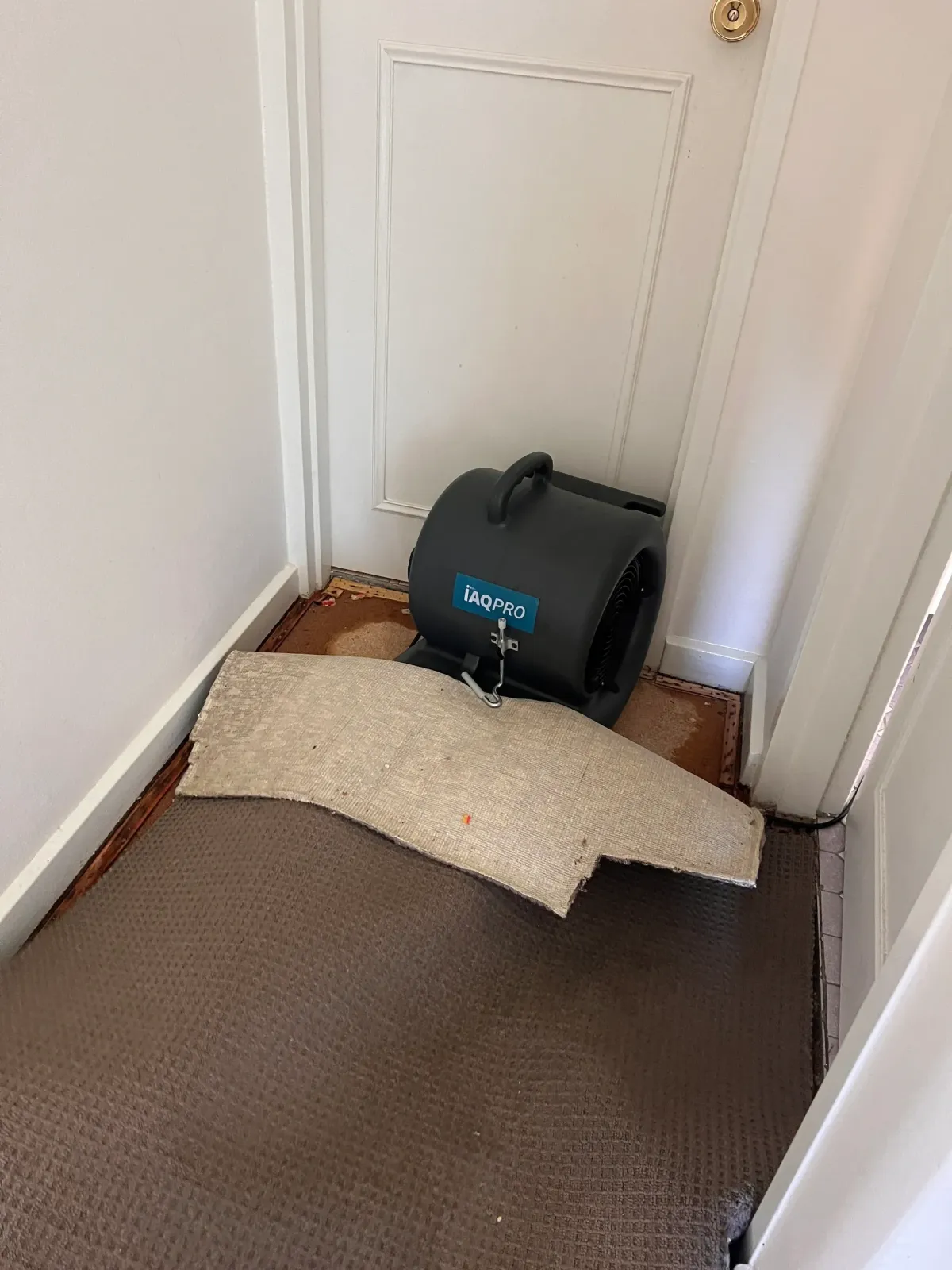
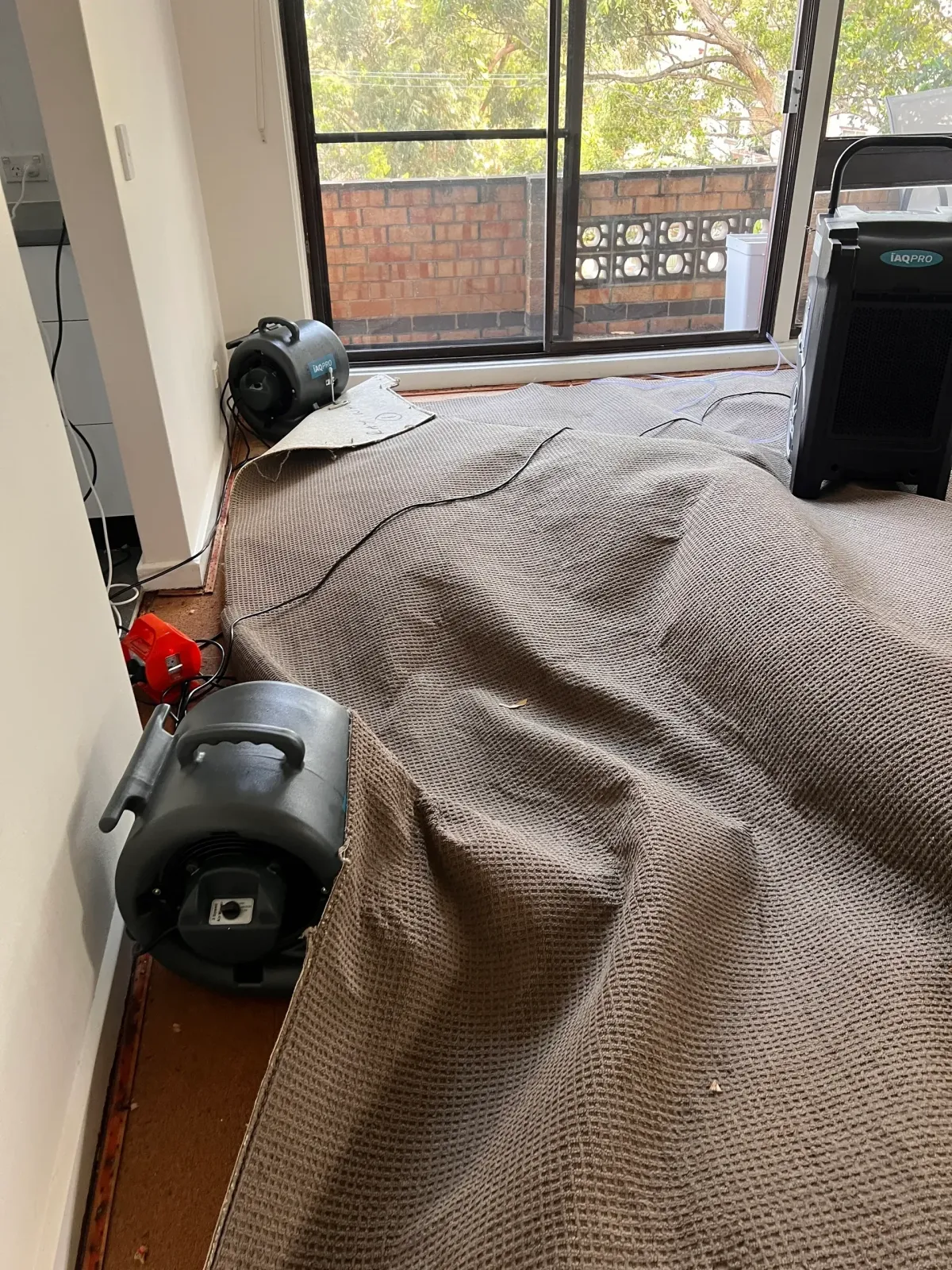
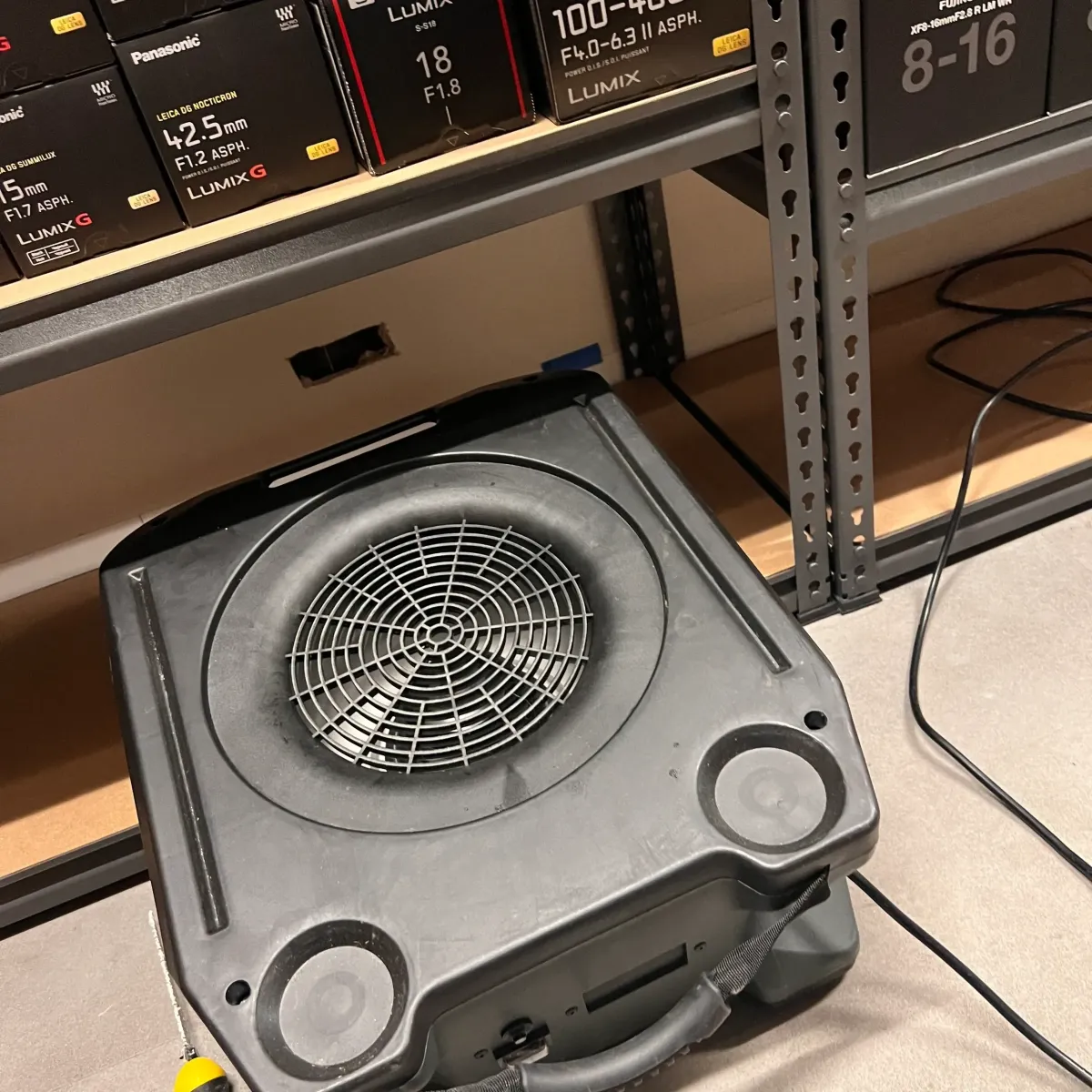
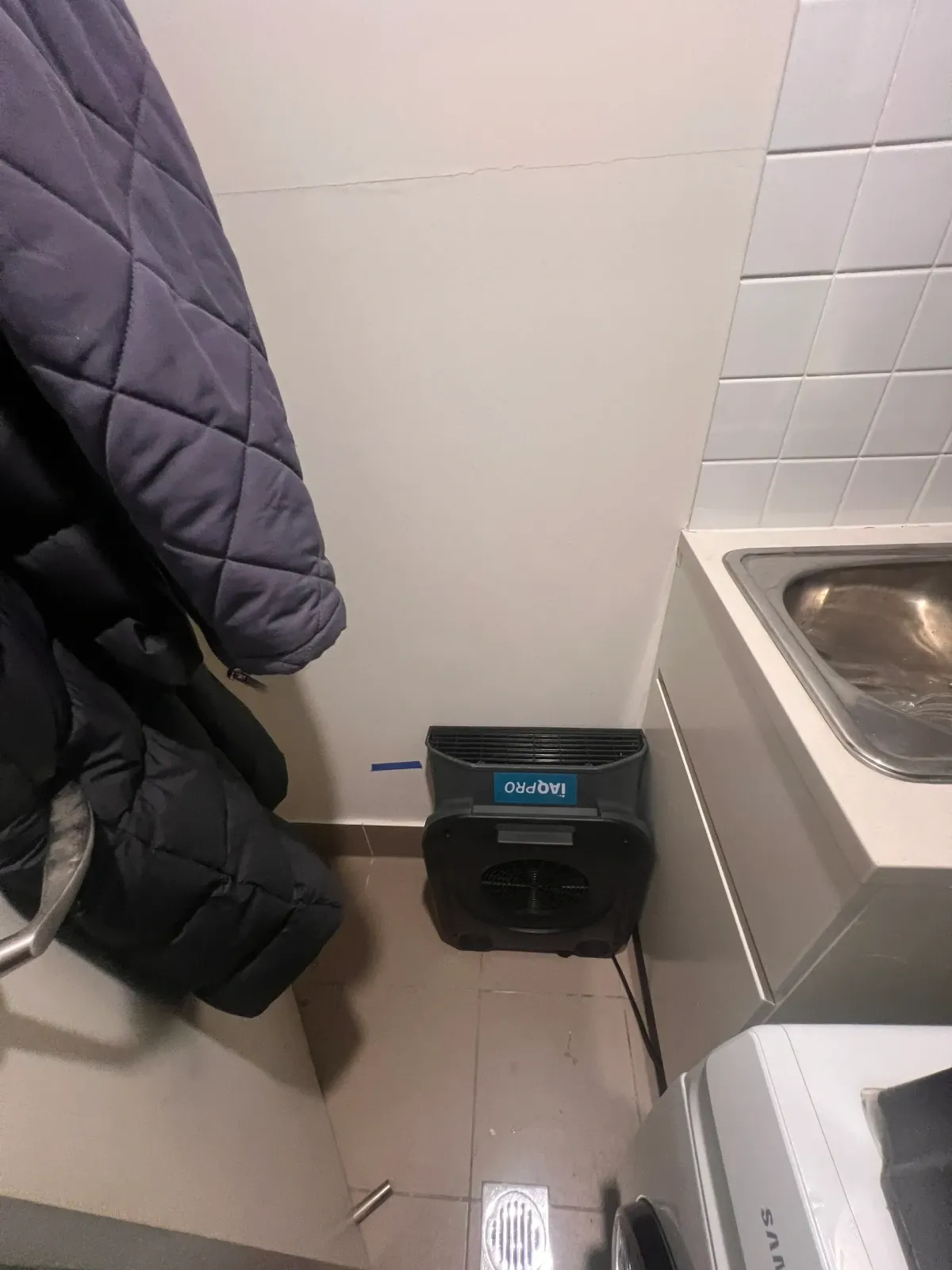
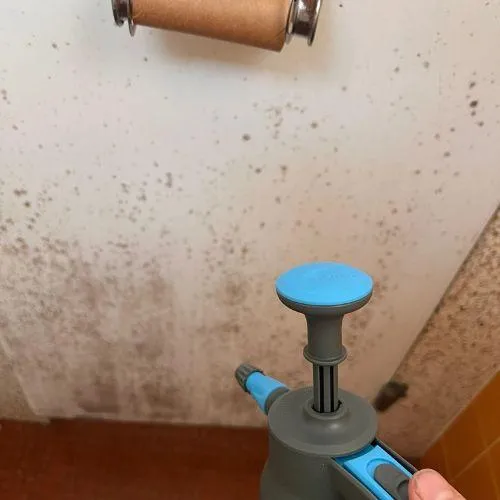
FLOOD RESTORATIONSERVICES FOR TIMBER FLOORING
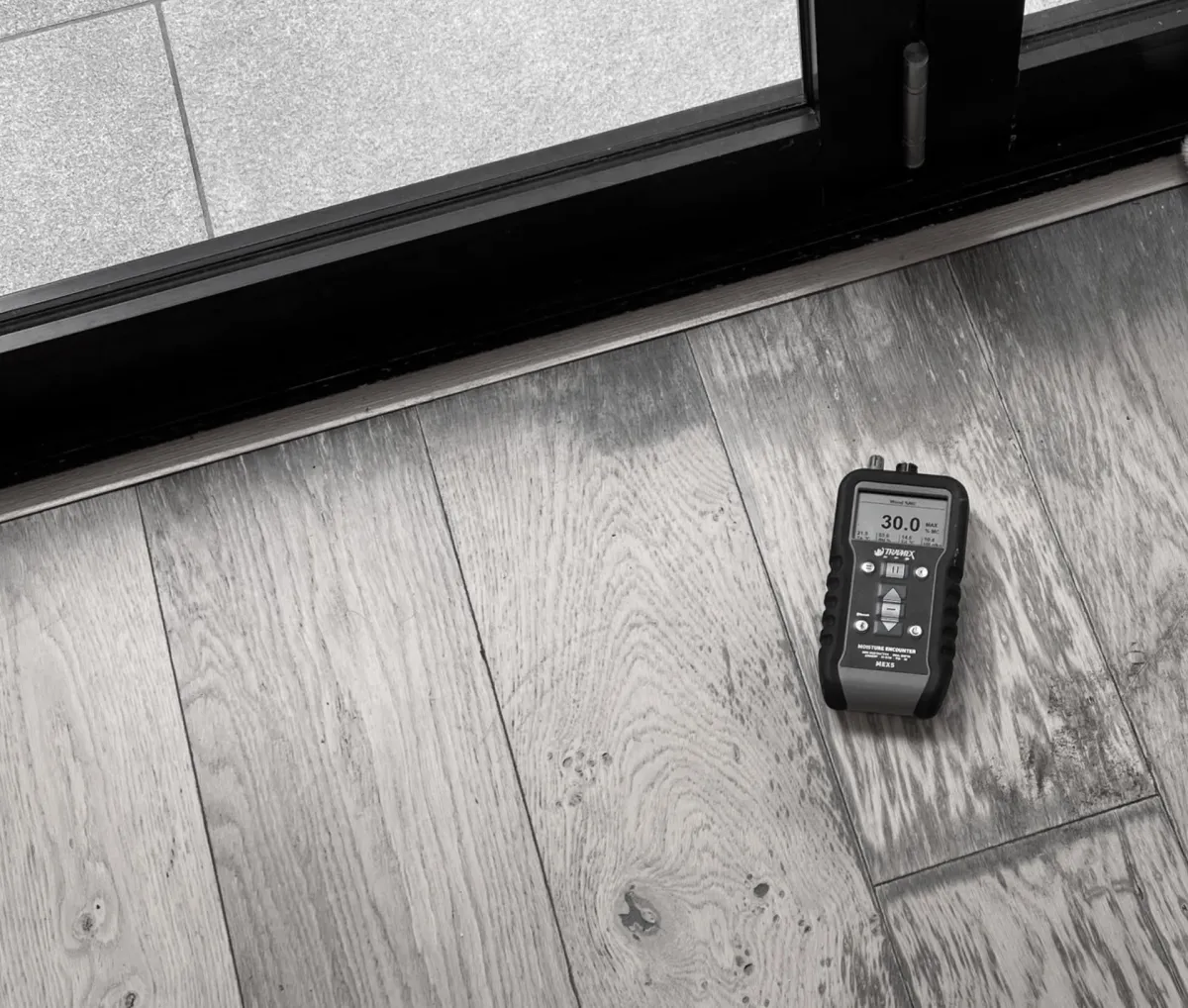
Experience You Can Trust – Supporting you through...
Save your timber floors
Prevent mould growth
Stop Secondary Damage to your floors
Possibility to restore to original condition
Save your timber floors
In many instances flood or water damaged flooring can be restored if it is addressed in a timely manner by professionals.
Moisture Testing
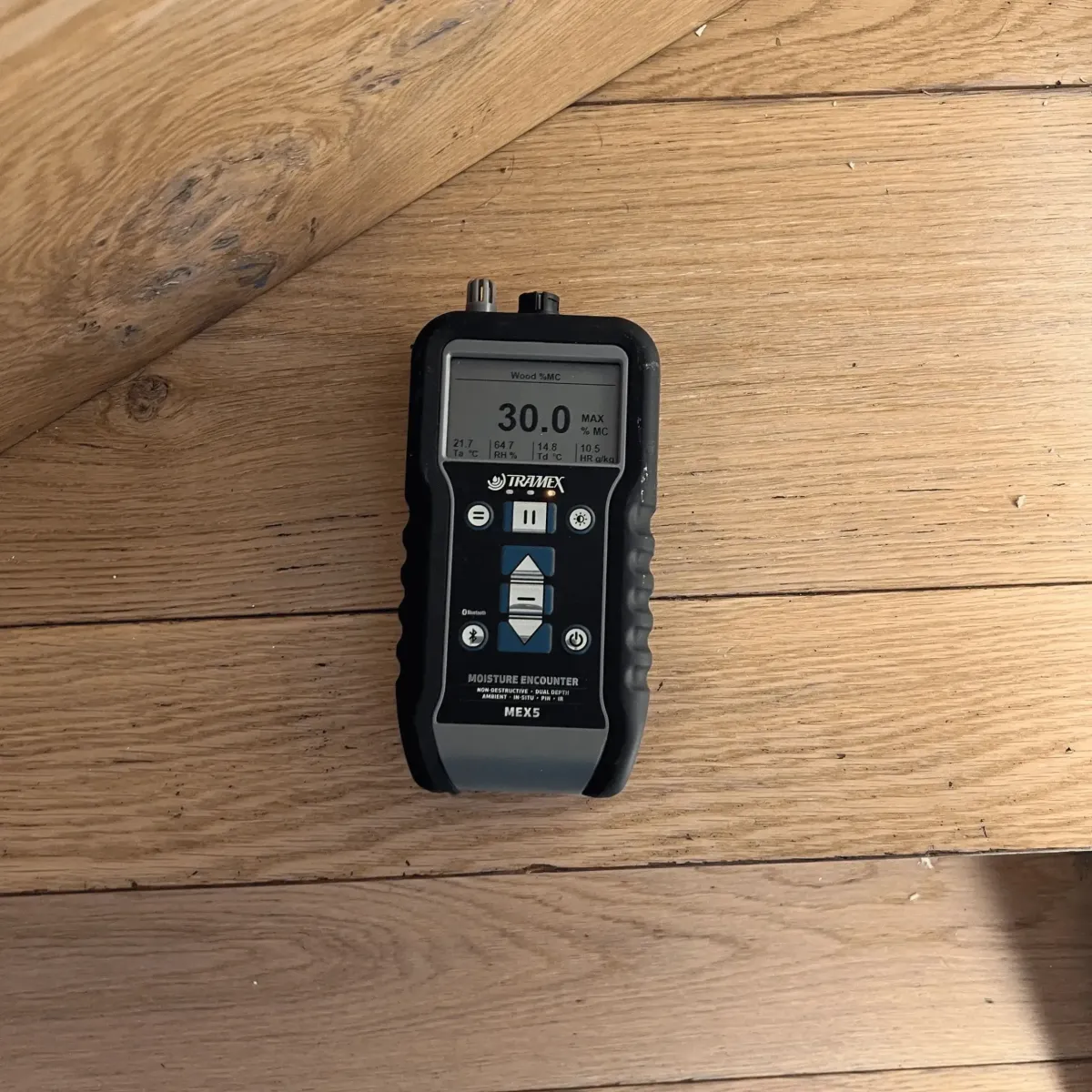
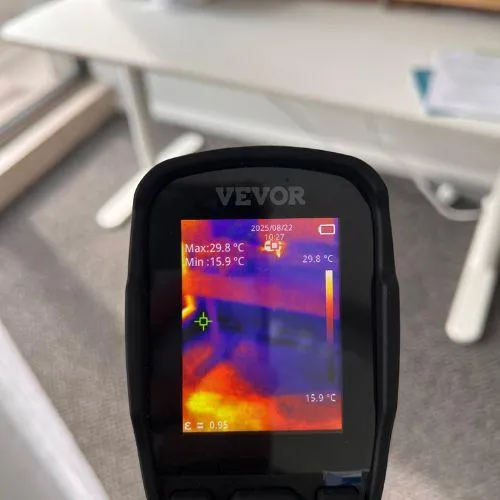
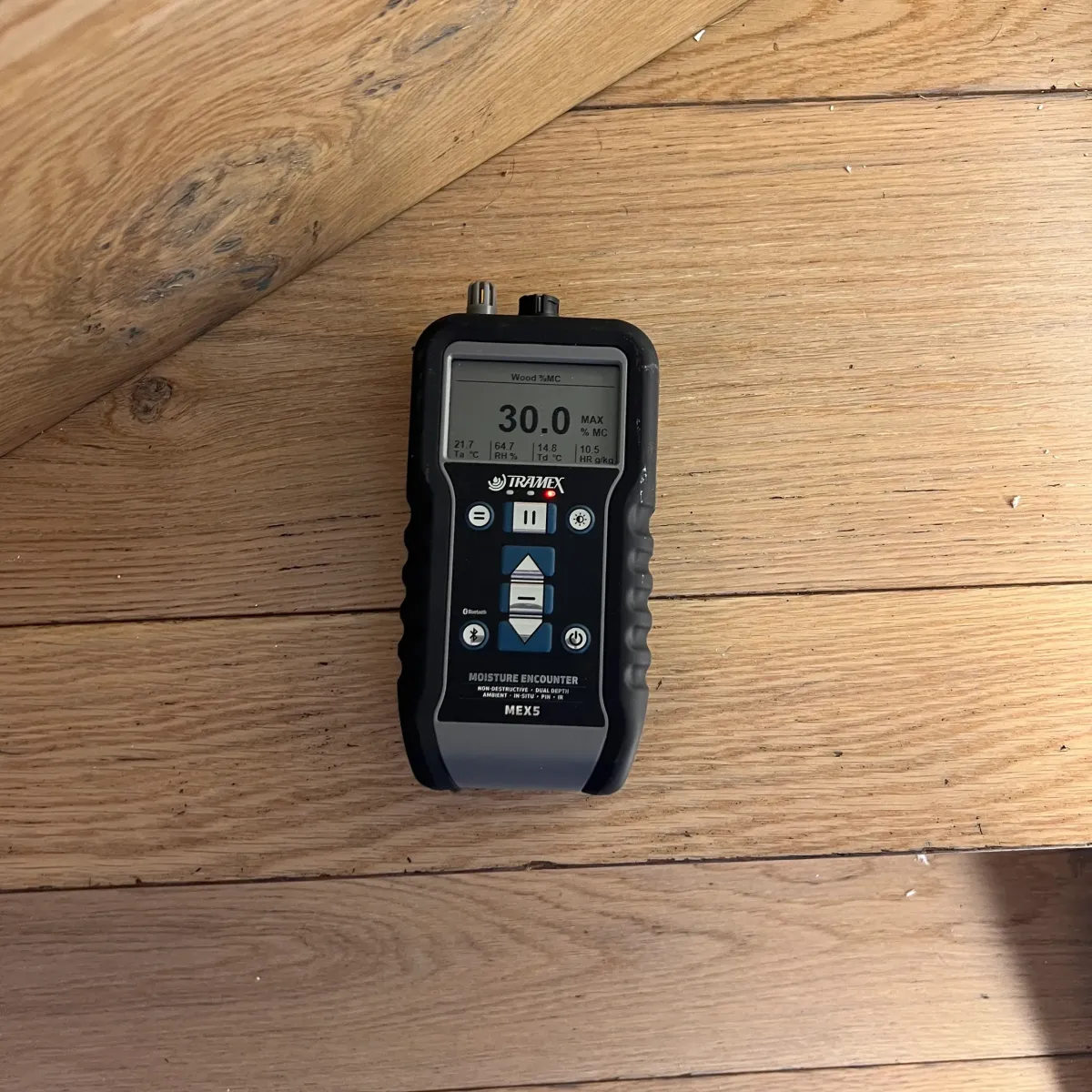
Moisture testing is the first and most important step in assessing flood-damaged timber flooring. Using professional moisture meters, technicians identify hidden moisture pockets that aren’t visible to the eye. Regular testing ensures moisture levels are consistently decreasing and prevents premature refinishing or replacement.
Subfloor Drying
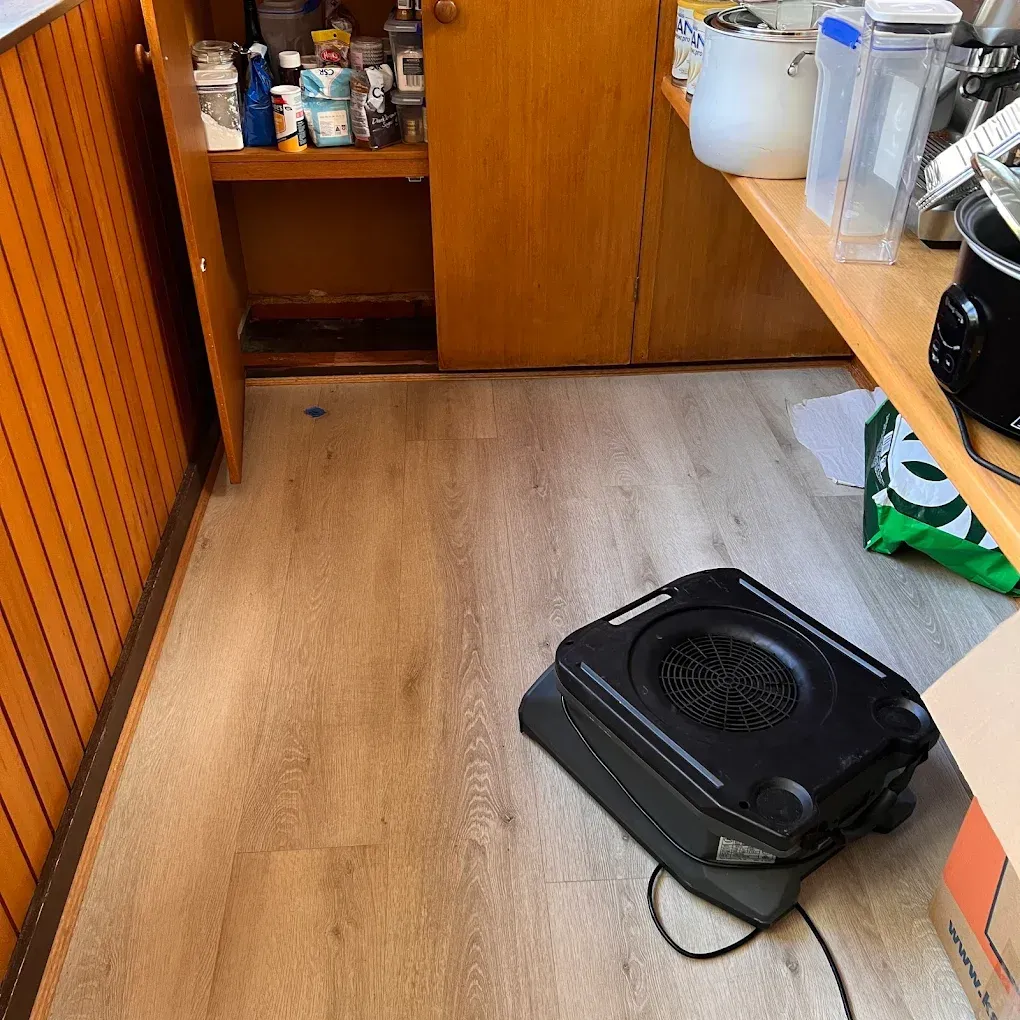
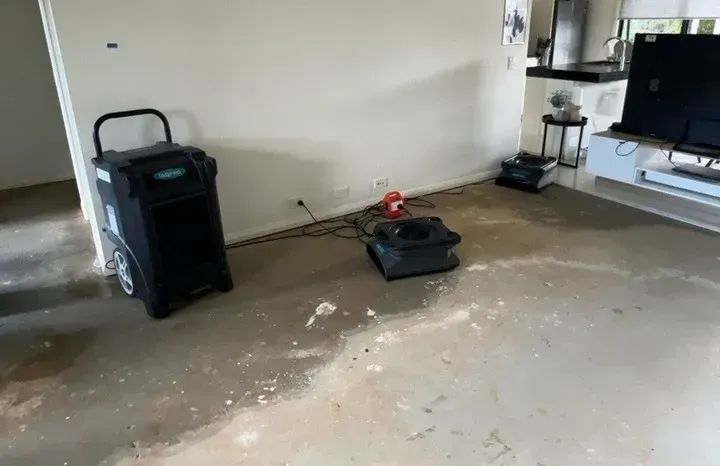
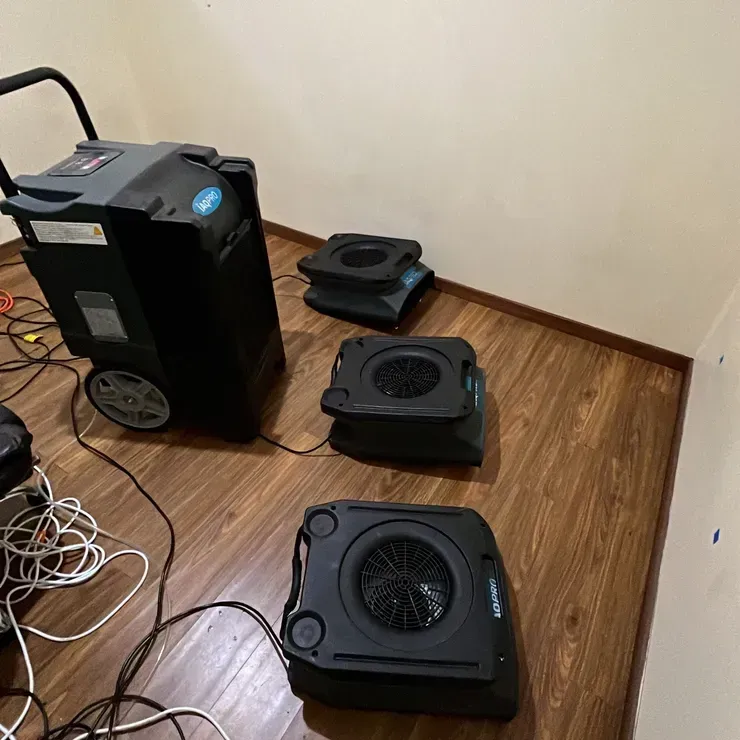
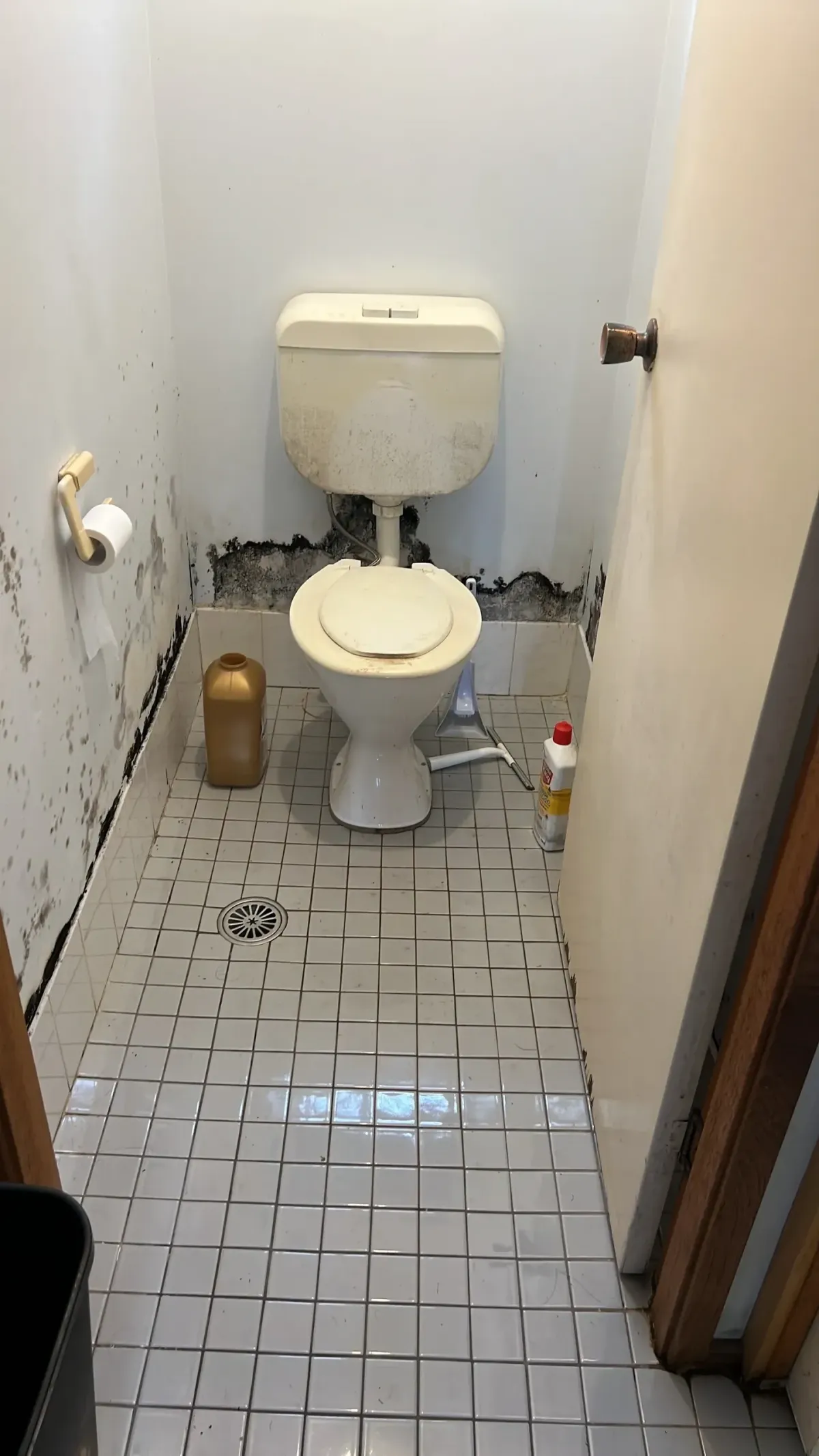
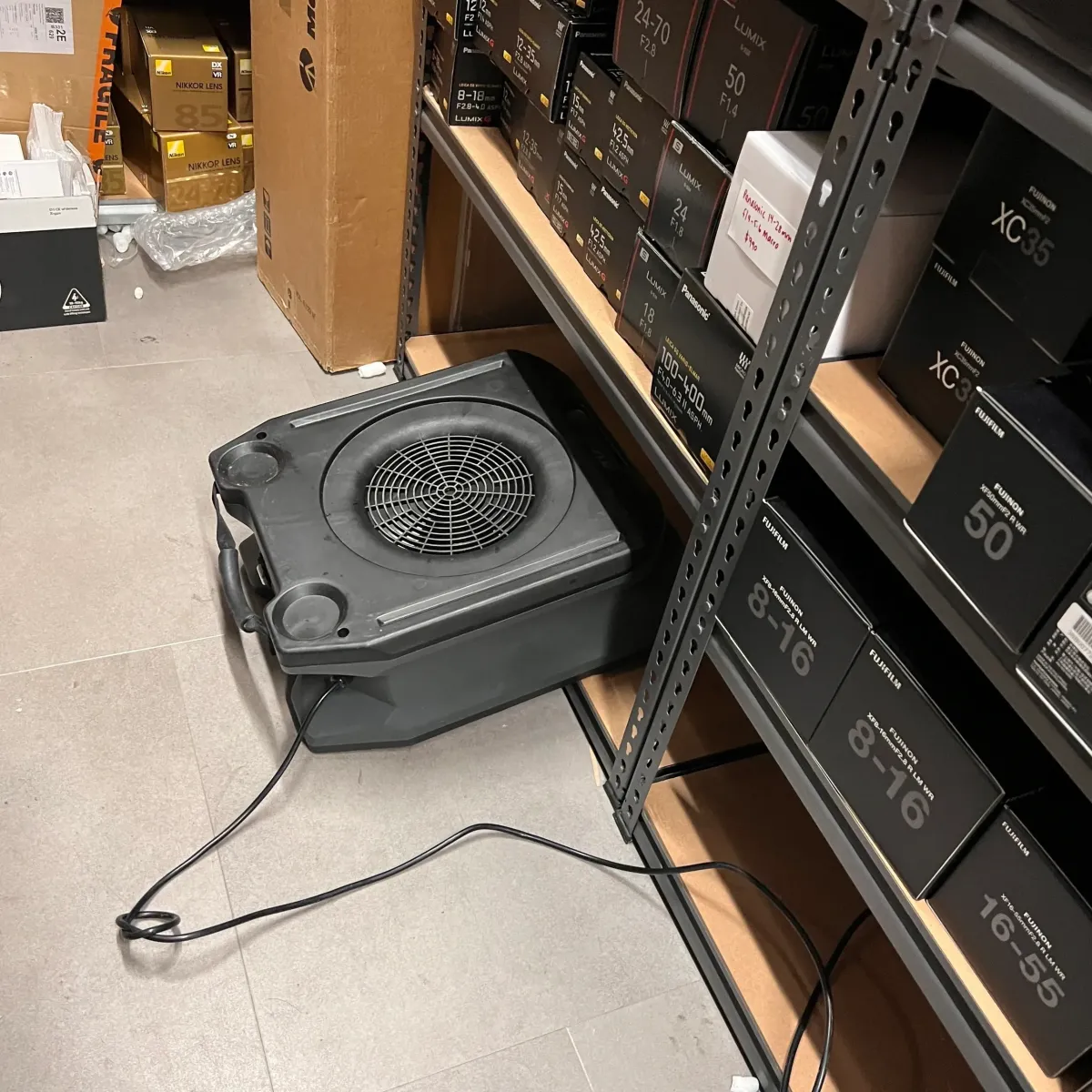
Even if the surface timber appears dry, moisture can remain trapped beneath the flooring. Subfloor drying targets these hidden areas using air movers, dehumidifiers, and drying mats. This step prevents mould growth, odour, and structural decay for complete restoration.
Floor Refinishing
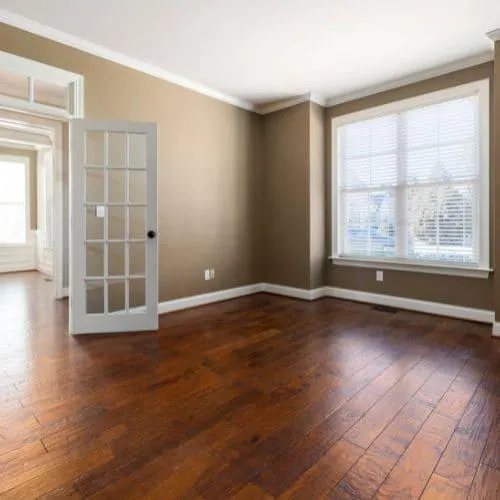
Once the flooring has been fully dried and stabilised, refinishing restores its original beauty and durability. The process involves sanding surface imperfections and applying new finishes or sealants. It’s a cost-effective alternative to full replacement and protects against future moisture exposure.
Floor Replacement
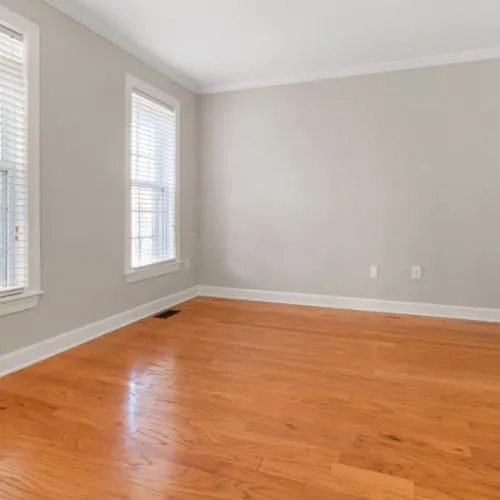
In severe cases where timber has swollen, cracked, or separated from the subfloor, replacement may be necessary. This involves removing damaged boards, drying the subfloor, and installing new timber planks. Professional replacement ensures your floors are safe, stable, and built to last.
How professionals restore and protect water-damaged timber flooring.
Drying wood flooring after water damage is a delicate and time-sensitive process that requires careful attention to both the moisture levels and the potential for long-term damage. When wood floors become wet, whether due to flooding, leaks, or spills, the moisture can seep into the wood, leading to warping, cupping, or even structural coampromise if not promptly addressed. The first priority is to stop the source of water and ensure no further moisture exposure. Once the water source is controlled, the drying process begins by removing standing water and minimising the amount of water trapped in the wood’s surface and beneath the flooring.
After initial water extraction air movers are used to direct airflow across the floor’s surface, promoting evaporation. Additionally, dehumidifiers are essential in reducing the humidity levels within the room, which helps to prevent moisture from reabsorbing into the wood. In more severe cases, if the floorboards are significantly saturated, advanced techniques such as drying mats or in-place drying systems may be necessary to address moisture trapped beneath the surface or between the subflooring and the planks.
The drying duration for wood floors can vary significantly depending on factors such as the extent of water exposure, the type of wood, and the type of drying equipment used. While air movers and dehumidifiers are crucial, it is essential to monitor moisture levels regularly using moisture meters to ensure the wood reaches an appropriate moisture content. Failure to fully dry the wood flooring can result in long-term damage, including buckling, warping, or the growth of mould. In some cases, the wood may need to be refinished or even replaced if the damage is extensive. By employing proper drying techniques and ensuring the wood is thoroughly dried, the integrity of the flooring can be preserved and restored, minimizing the need for costly replacements.
Our Thoughts!
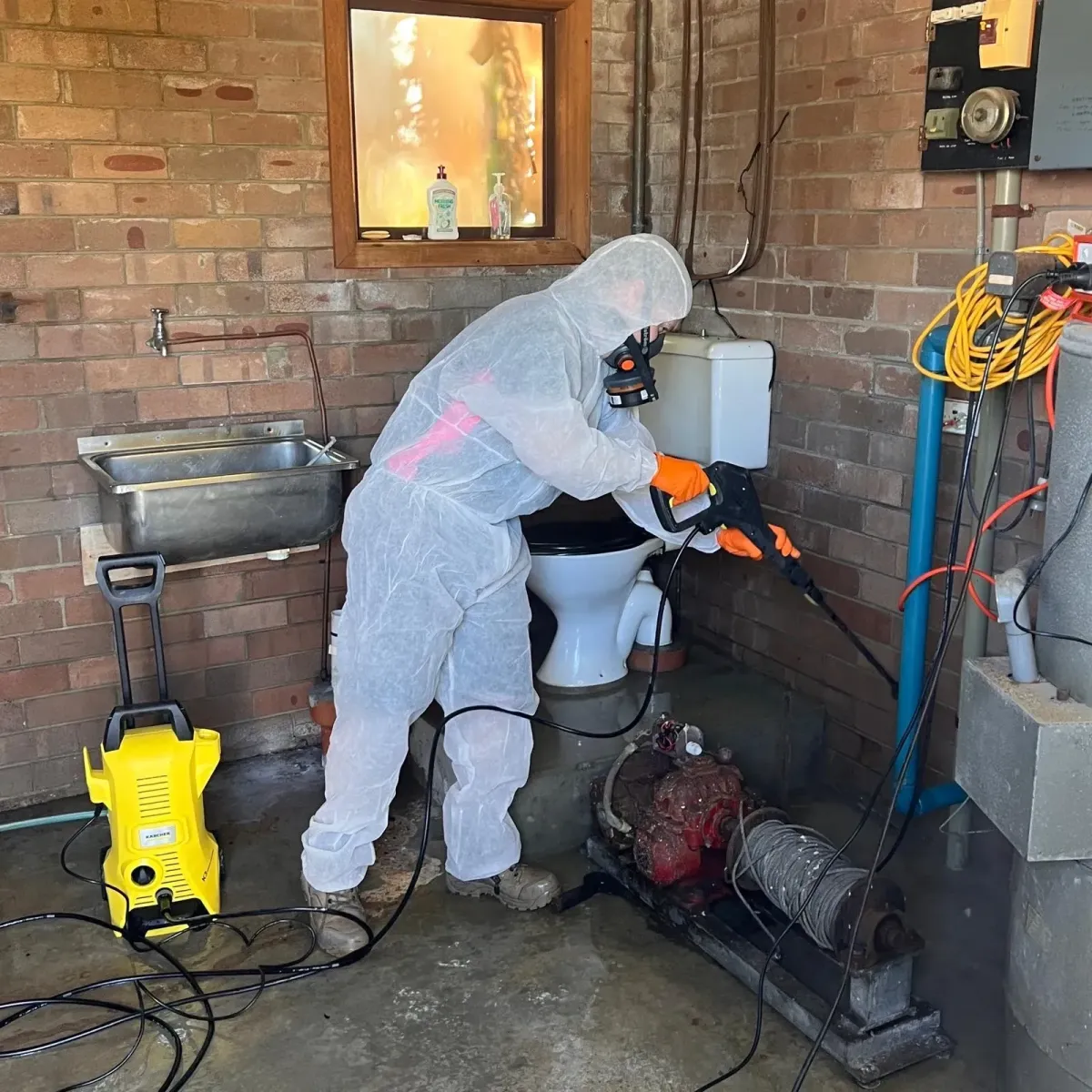
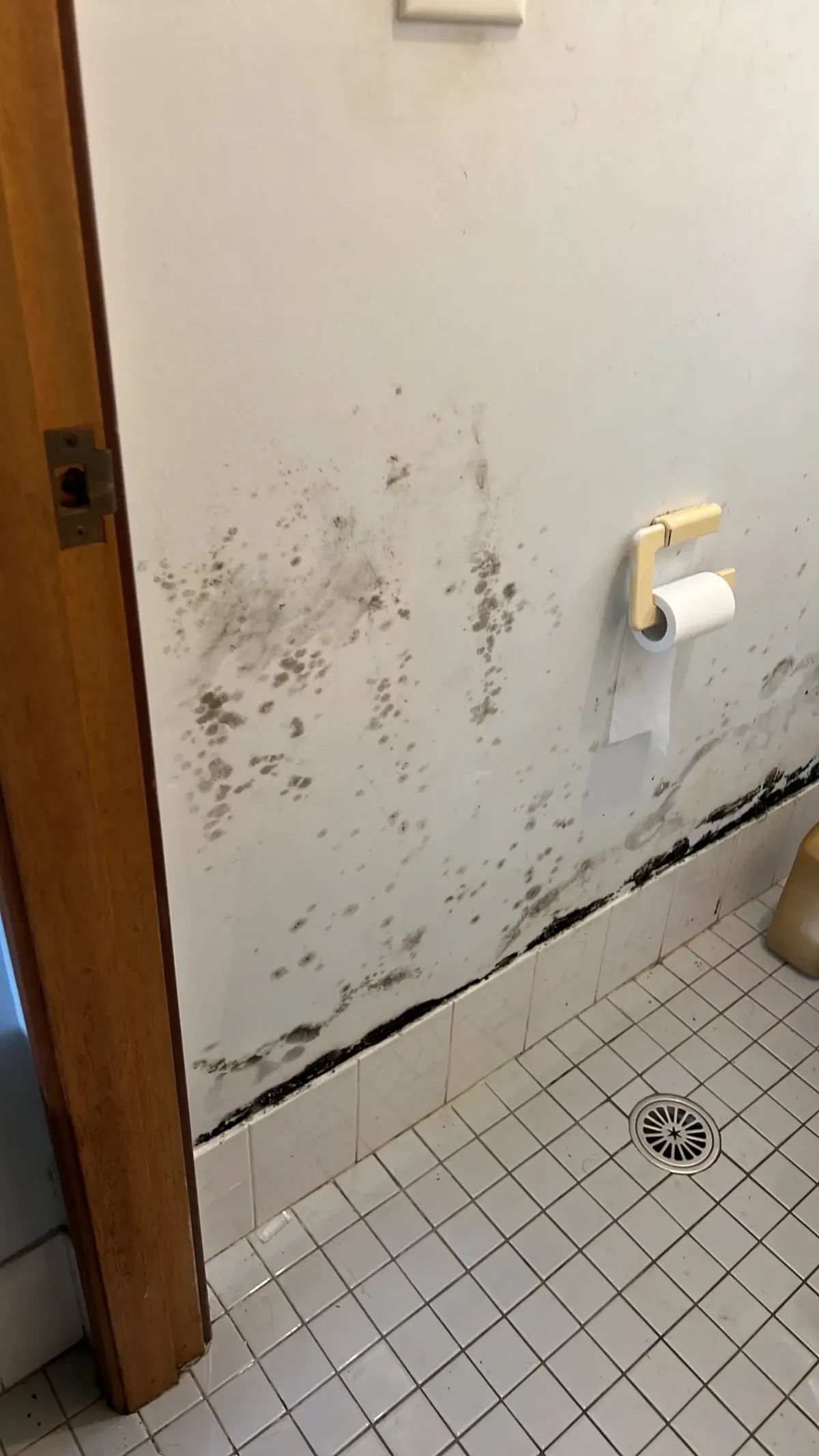
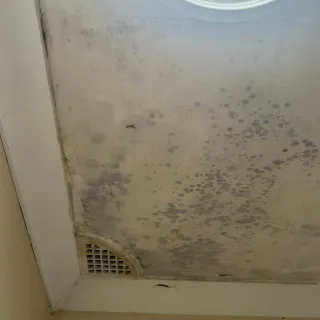
Laundry Ceiling Mould Removal in South Penrith, NSW
A roof leak left mould in this South Penrith laundry ceiling that cleaning couldn't fix. IICRC-certified mould removal, 24/7. Insurance reports available. ...more
Mould ,Flood
October 06, 2026•4 min read
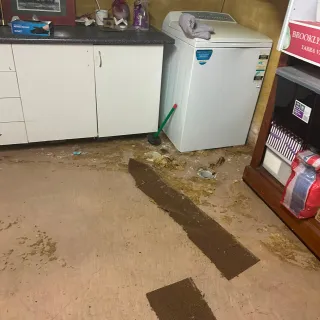
Sewer Overflow Clean Up & Sanitisation in Cronulla, NSW
Sewer overflow in a Cronulla strata garage? We remove contaminated carpet and sanitise the slab. IICRC certified, 24/7 response and insurance reports. ...more
Flood
September 25, 2026•2 min read
Hidden Mould Remediation in Oran Park, NSW
Water backflow caused hidden mould behind walls and under floors in an Oran Park home. IICRC-certified mould remediation, 24/7. Insurance reports. ...more
Flood
September 22, 2026•2 min read
Contact Us Today
Need help addressing mould in your home?
Need help addressing mould in your home?
Or call us today (02) 9090 4625
24/7 - Sydney Wide, Wollongong, The Illawarra & Surrounds
ABN: 35677824609
ACN: 677824609
IICRC Certification: 70174269


Sydney-Wide, Wollongong, The Illawarra & Surrounds
Call us today (02) 9090 4625
Email: [email protected]