Sydney-Wide, Wollongong & the Illawarra
24/7 Emergency Flood Service
Available Now (02) 9090 4625

Yes we do...
ROOF CAVITY AND CEILING DRYING
Experience You Can Trust - Supporting you through...
Roof leaks
Gutter failures
Gutter Overflows
Leaking HVAC Systems
Failed Pipes
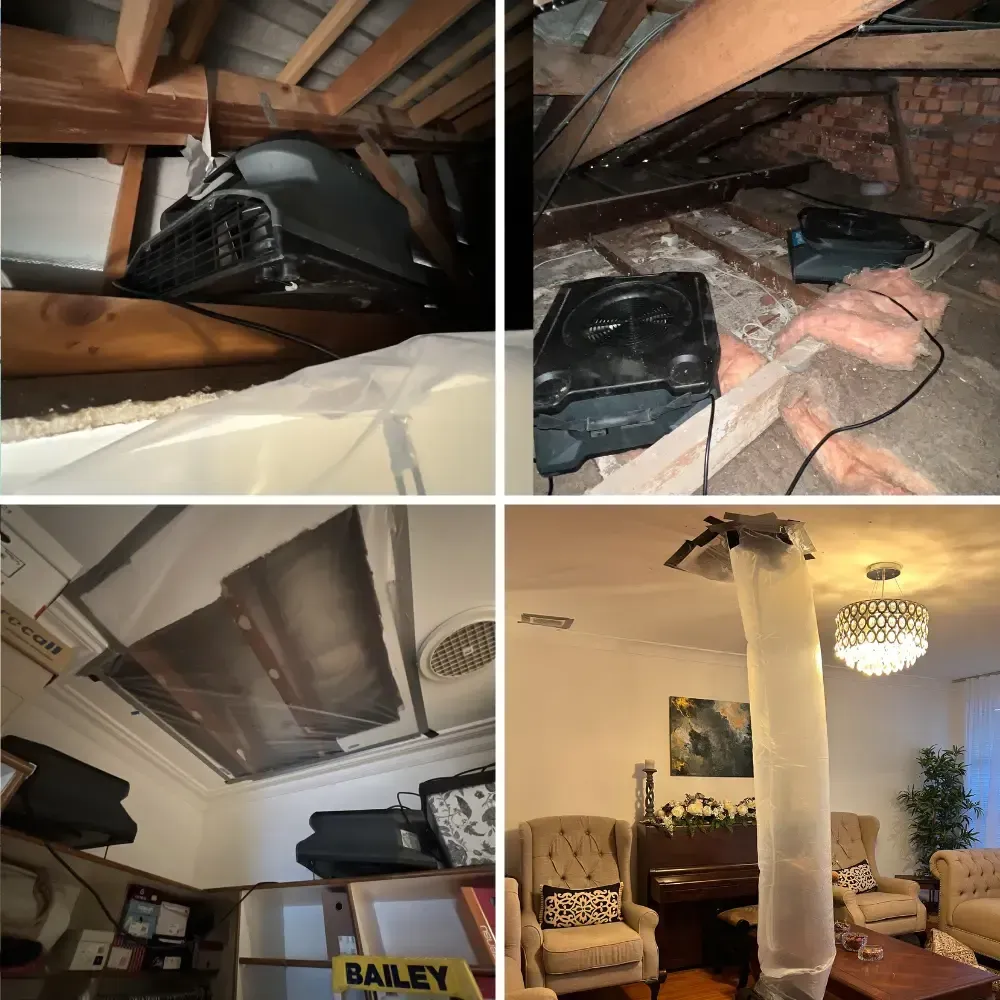
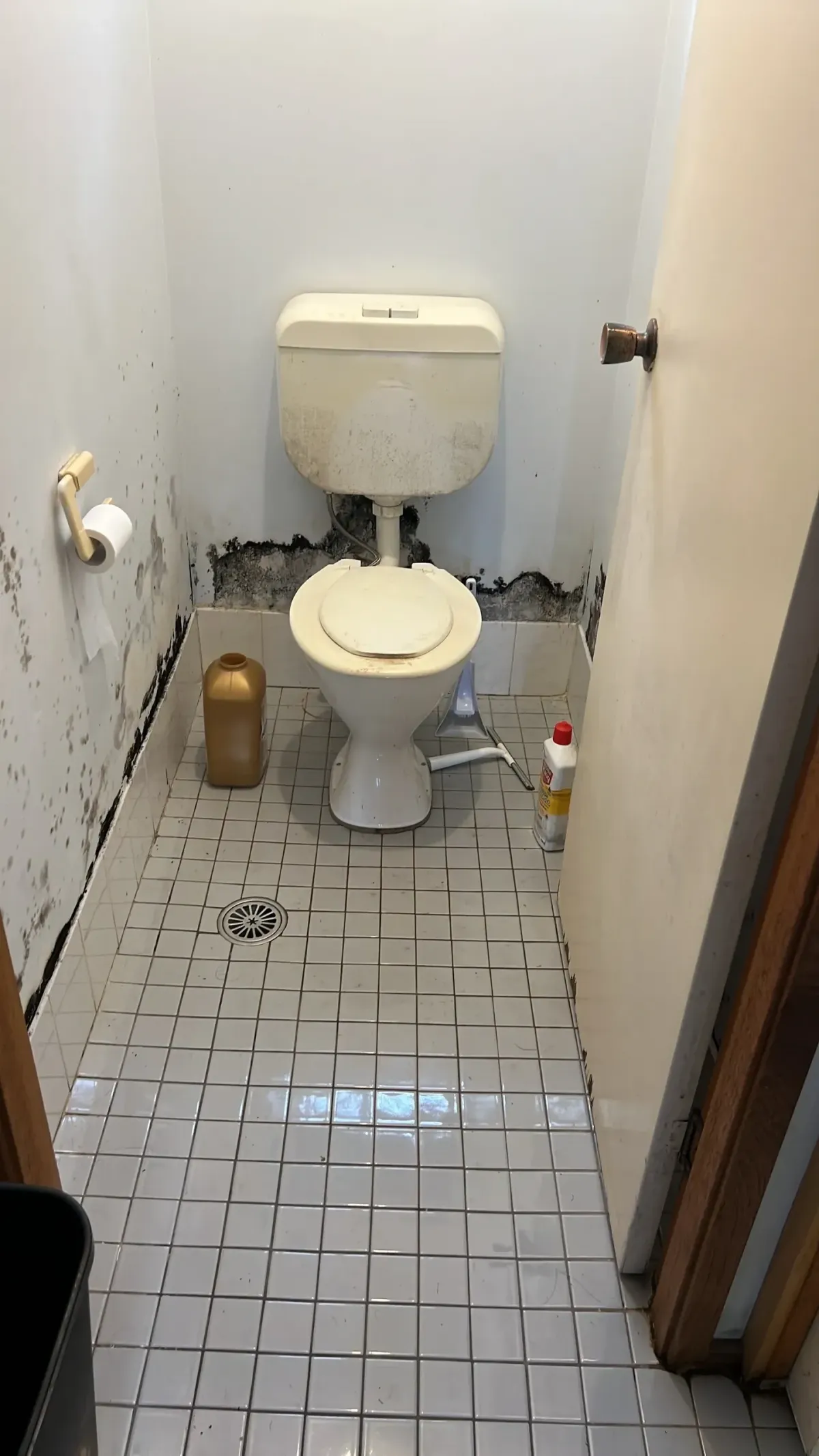
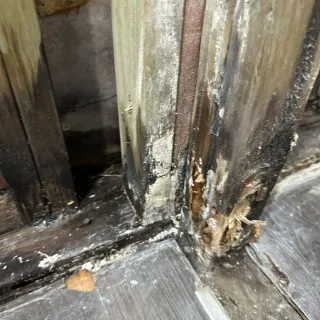
Drying roofs and ceilings is a crucial step in maintaining the structural integrity of a building after water damage. When a roof or ceiling gets wet, whether due to a leak, flood, or plumbing issue, the moisture can penetrate materials such as wood, drywall, and insulation, causing mould, mildew, rot and other secondary damage if not properly addressed. The first step in drying is to identify and stop the source of the water intrusion, whether it's repairing the roof, fixing plumbing, or sealing leaks. Once the source is controlled, the drying process must begin as soon as possible.
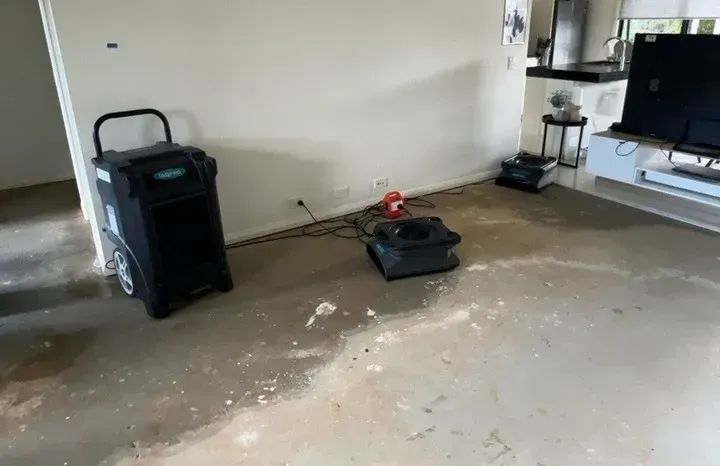
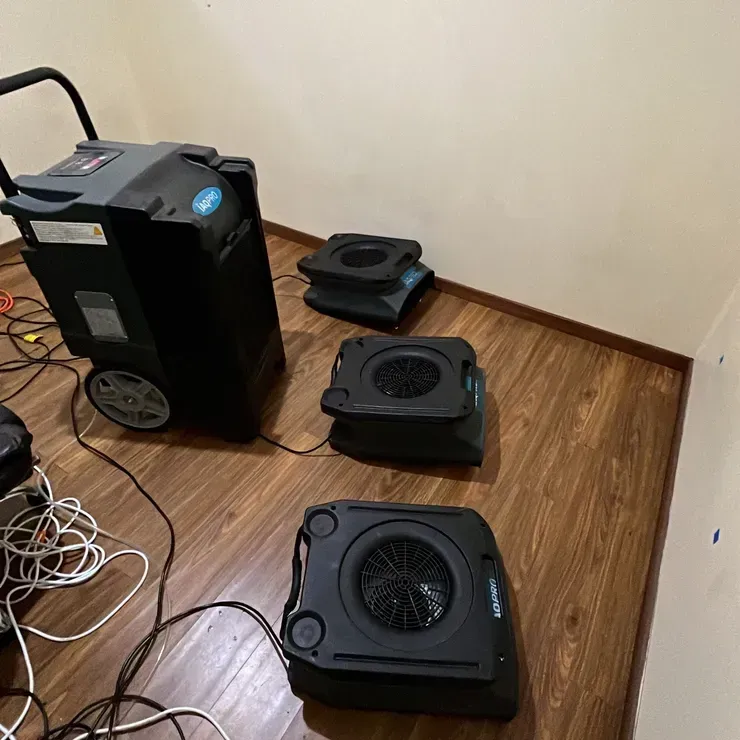
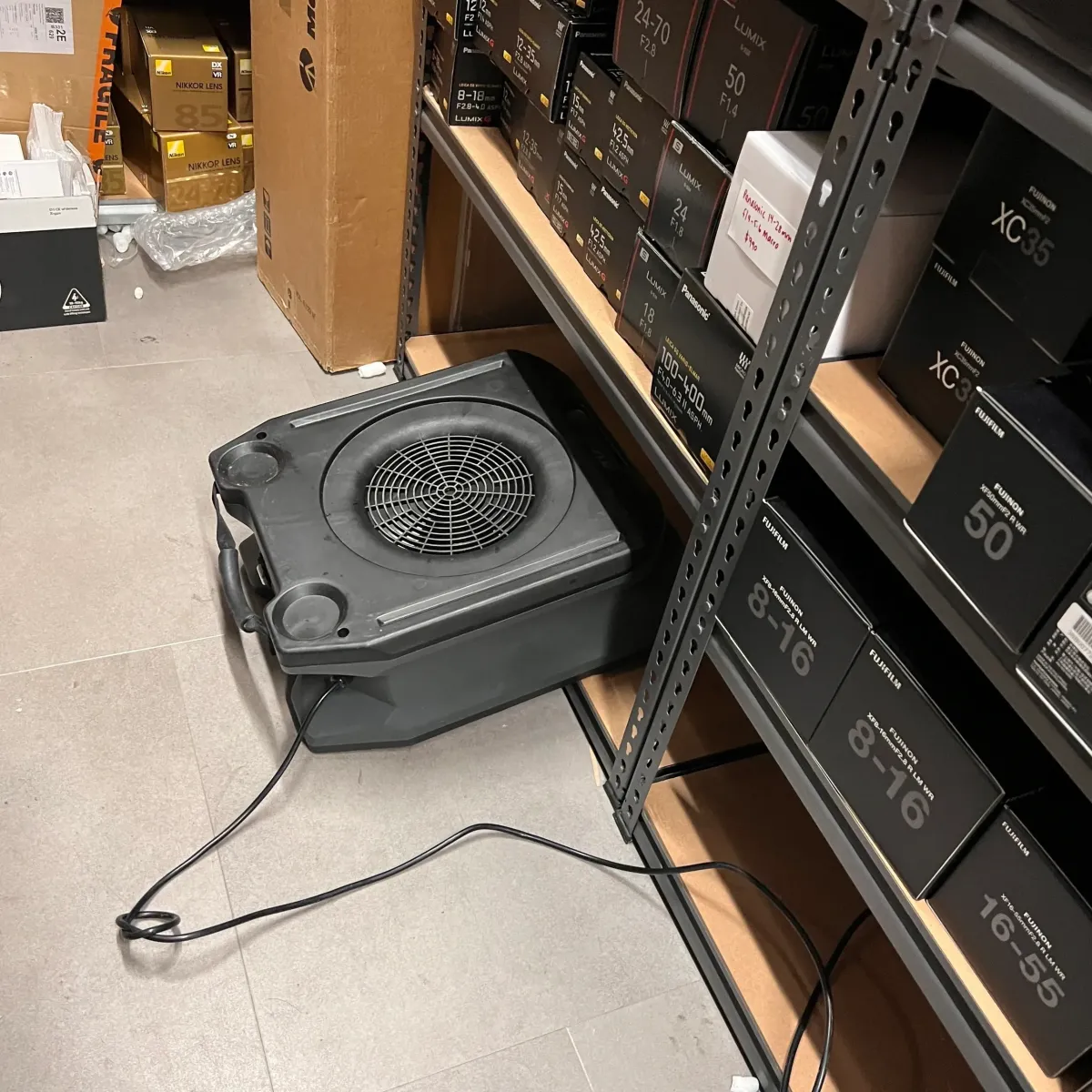
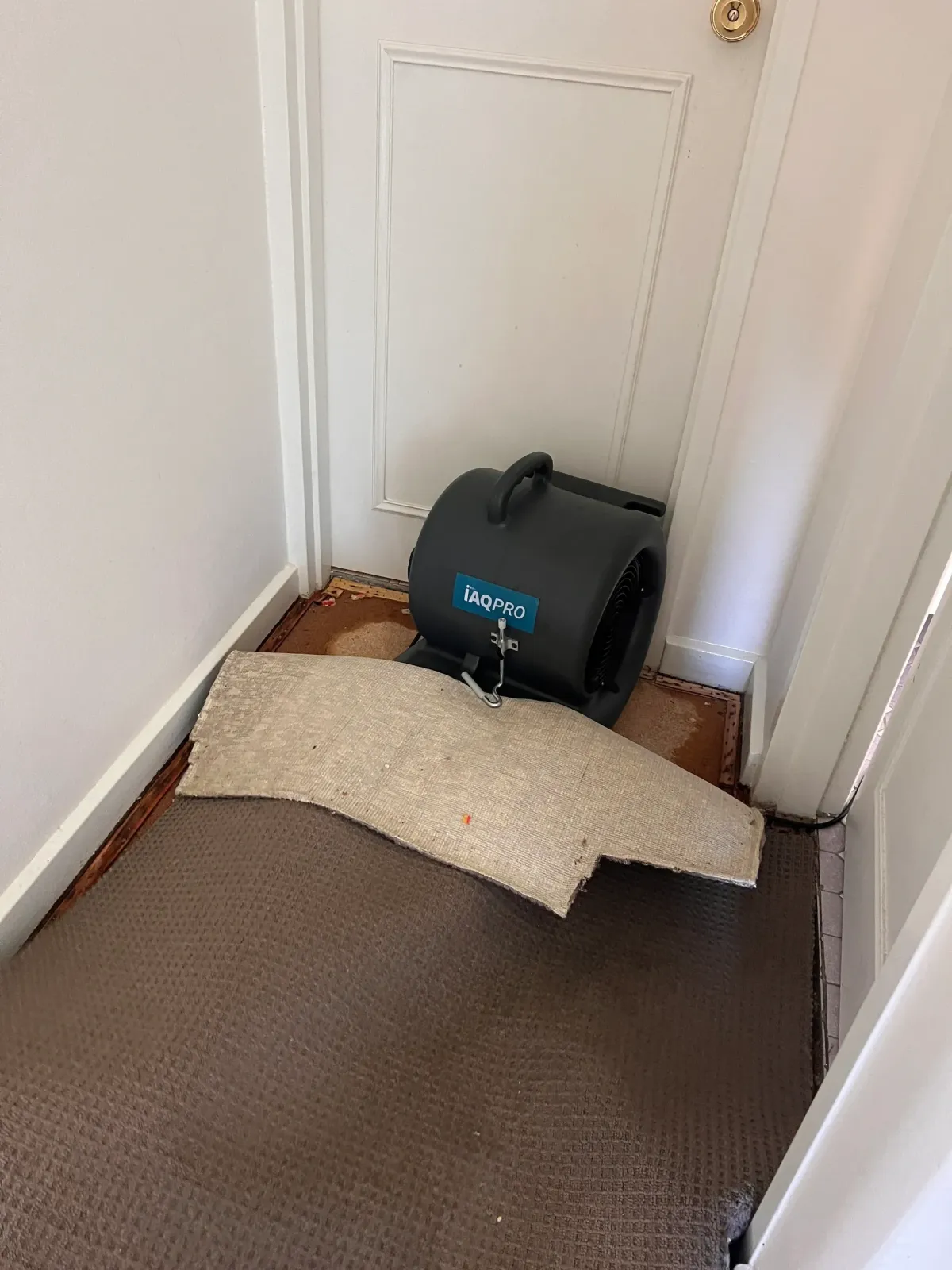
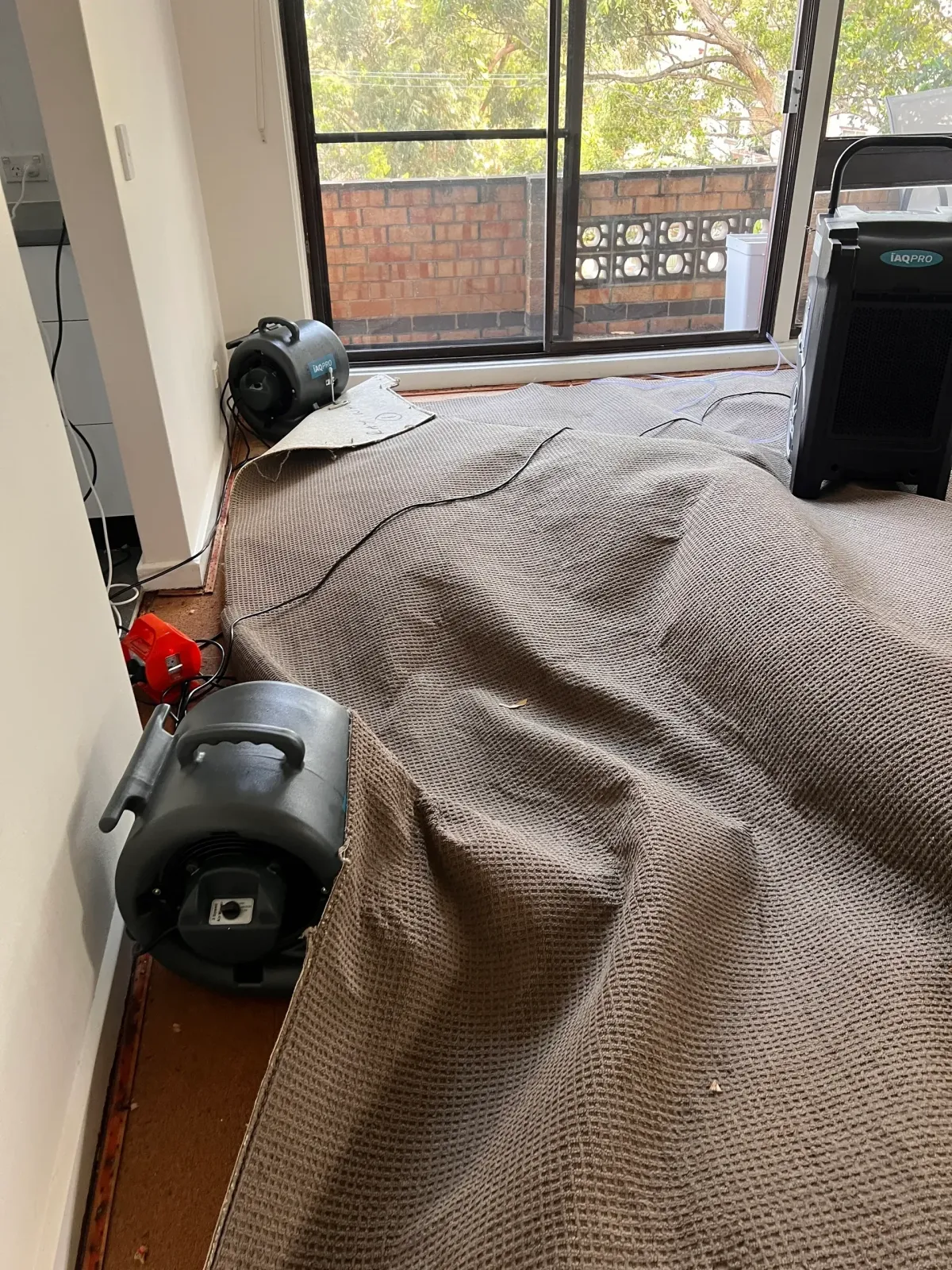
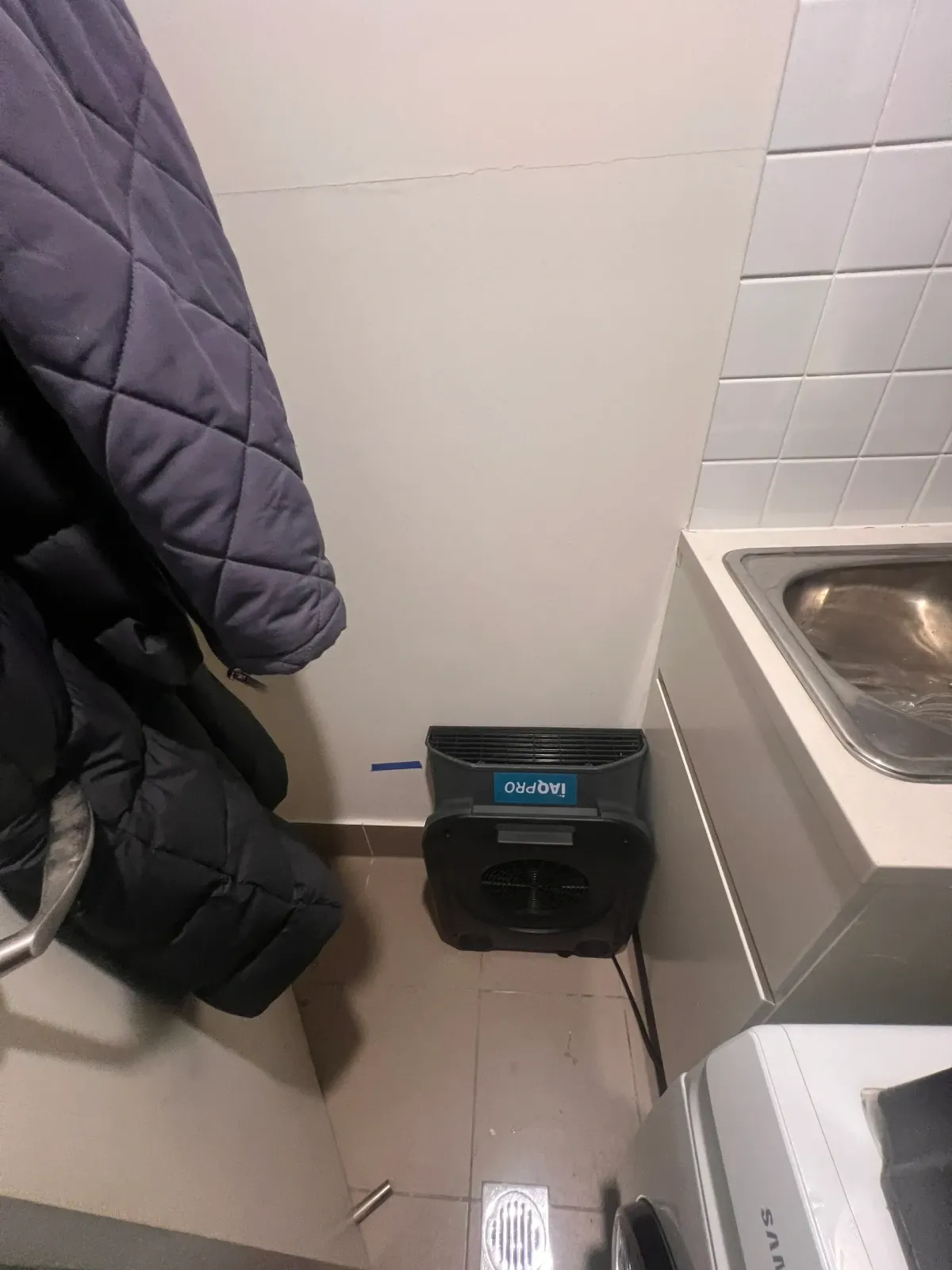
To dry the roof or ceiling, we utilise industrial-grade equipment such as air movers, dehumidifiers, and heaters to promote evaporation and remove moisture from affected materials. Air movers help circulate air across the wet surfaces, speeding up the drying process, while dehumidifiers extract the moisture from the air, preventing it from settling back into the materials. For ceilings, this might involve removing parts of the drywall, insulation or ceiling tiles if they’ve absorbed significant water, allowing airflow behind them for a more thorough drying process.
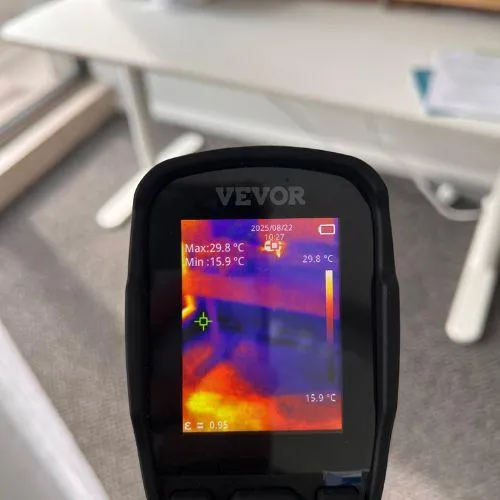
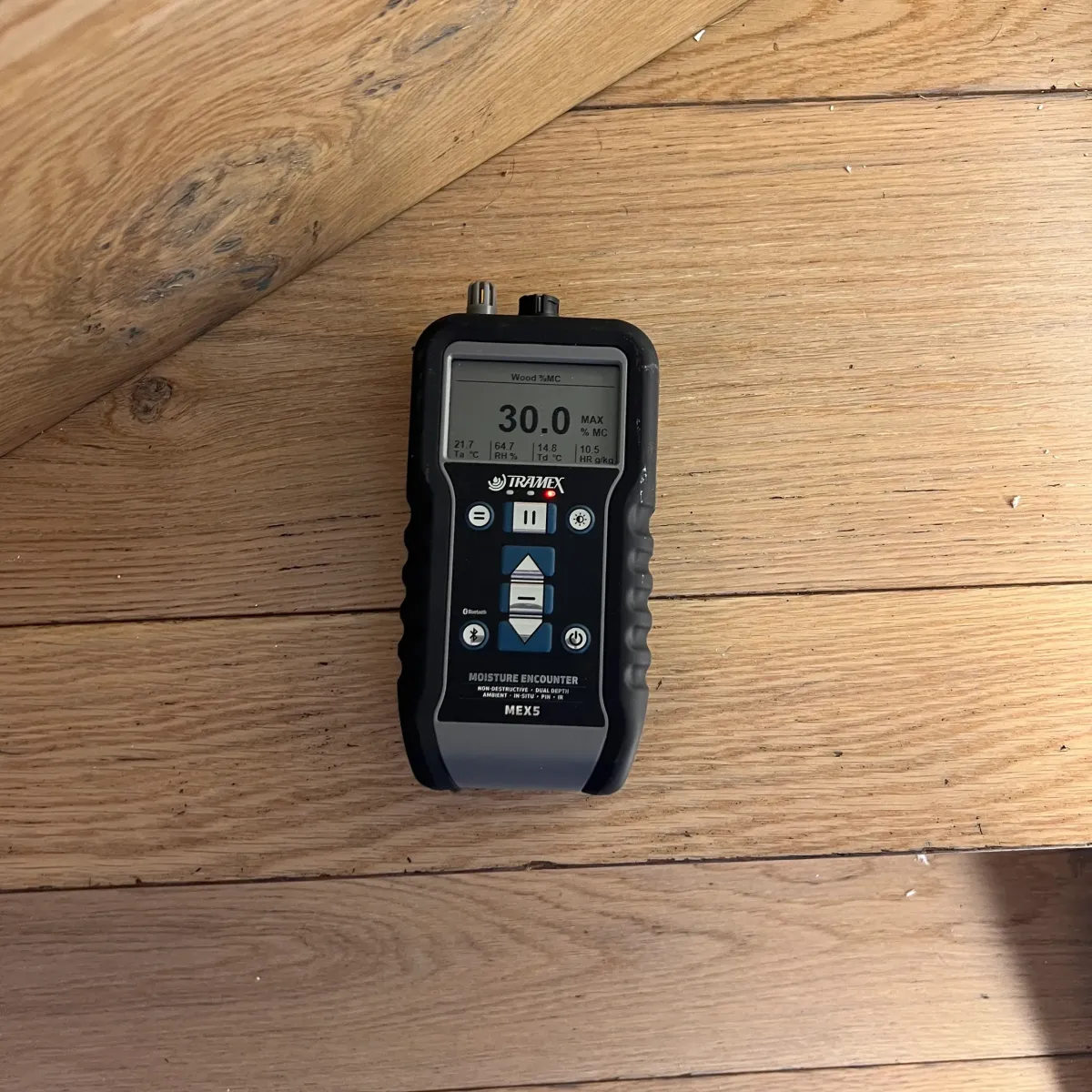
The drying process can take anywhere from a few days to a week, depending on the extent of the water damage and the materials involved. It's important that we monitor moisture levels regularly with our specialised tools like moisture meters to ensure the area is completely dry. Failing to do so can lead to long-term problems like mould growth, compromised structural integrity, unpleasant odours and excessive secondary damage. Once the area is dry, any repairs needed to restore the roof or ceiling to its original condition can begin , ensuring the space is safe, comfortable, and free of potential hazards.
Why dry your wet ceiling and roof cavity?
Prevents mould growth
Restores structural integrity to drywall
Removes moisture from building materials
Speeds up restoration time
Protect electrical components
Reduce secondary damage
Reduces total restoration costs
Our Thoughts!
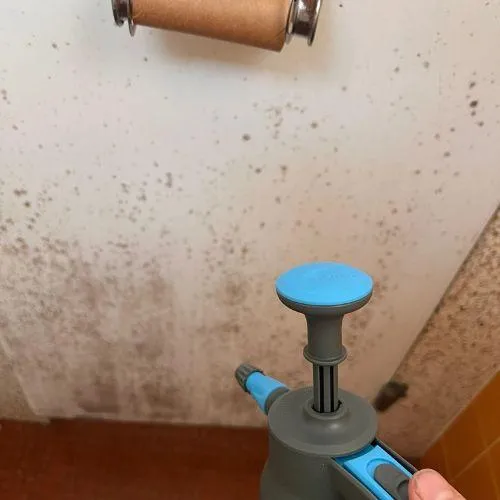
Laundry Ceiling Mould Removal in South Penrith, NSW
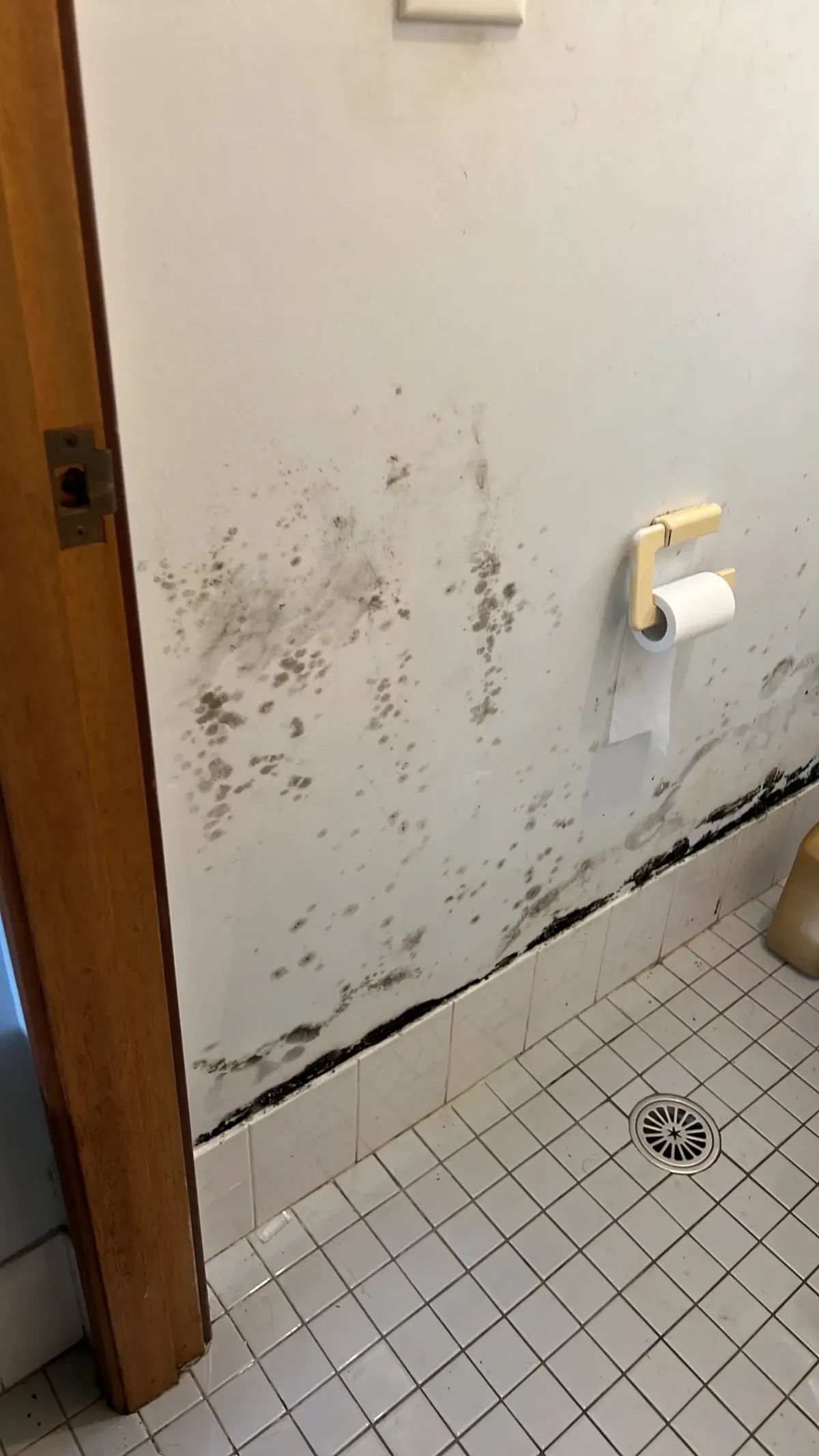
A roof leak left mould in this South Penrith laundry ceiling that cleaning couldn't fix. IICRC-certified mould removal, 24/7. Insurance reports available. ...more
Mould ,Flood
October 06, 2026•4 min read
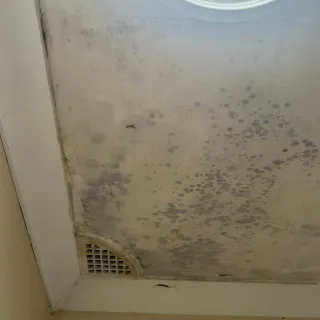
Sewer Overflow Clean Up & Sanitisation in Cronulla, NSW
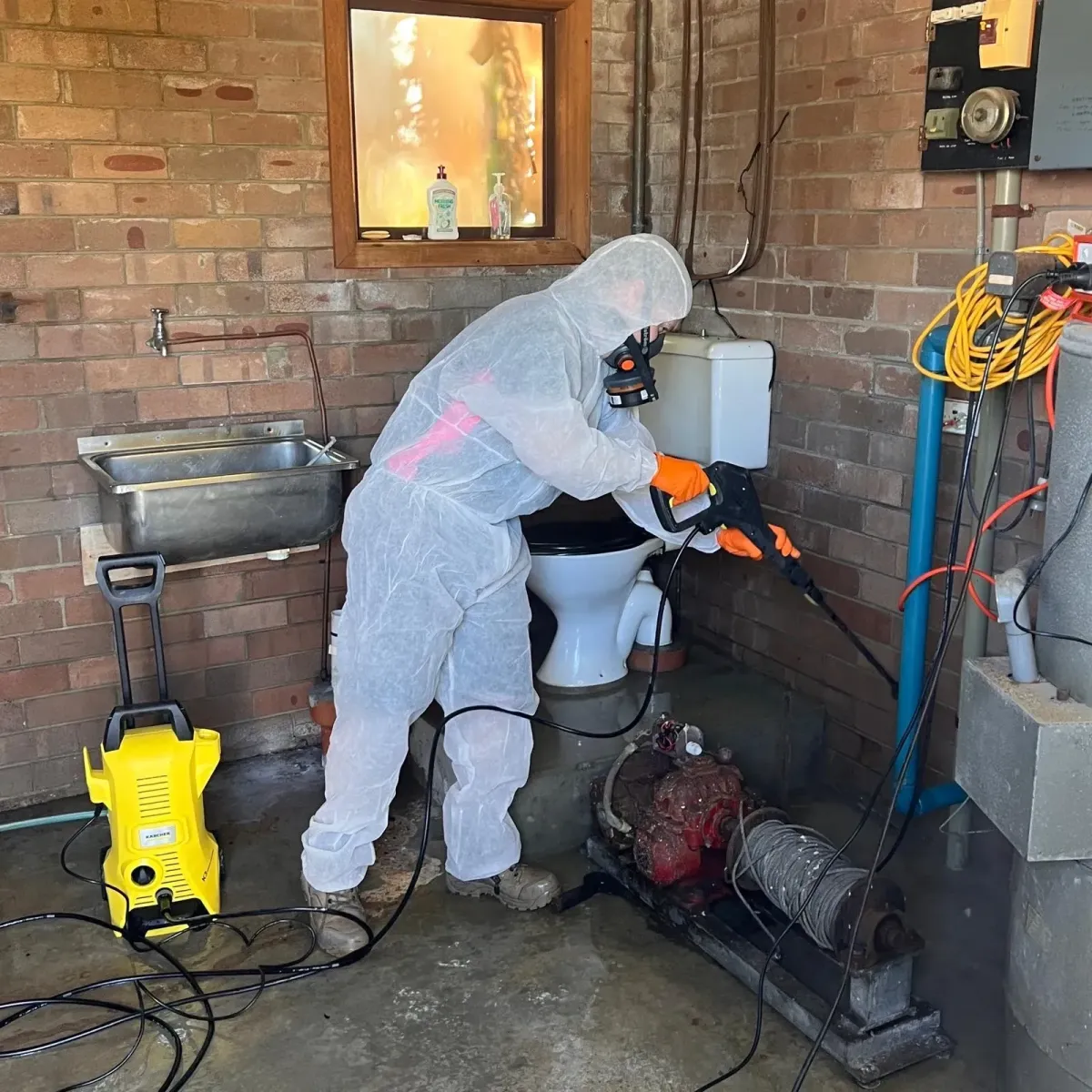
Sewer overflow in a Cronulla strata garage? We remove contaminated carpet and sanitise the slab. IICRC certified, 24/7 response and insurance reports. ...more
Flood
September 25, 2026•2 min read
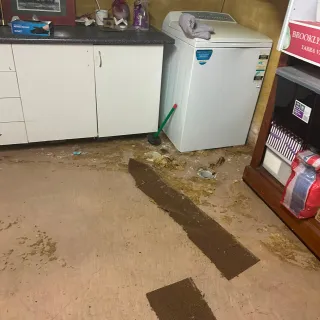
Hidden Mould Remediation in Oran Park, NSW
Water backflow caused hidden mould behind walls and under floors in an Oran Park home. IICRC-certified mould remediation, 24/7. Insurance reports. ...more
Flood
September 22, 2026•2 min read
Contact Us Today
Need help addressing mould in your home?
Need help addressing mould in your home?
Or call us today (02) 9090 4625
24/7 - Sydney Wide, Wollongong, The Illawarra & Surrounds
ABN: 35677824609
ACN: 677824609
IICRC Certification: 70174269


Sydney-Wide, Wollongong, The Illawarra & Surrounds
Call us today (02) 9090 4625
Email: [email protected]
SOME OF OUR RECENT WORK