Sydney-Wide, Wollongong & the Illawarra
24/7 Emergency Flood Service
Available Now (02) 9090 4625

SOME OF OUR RECENT WORK
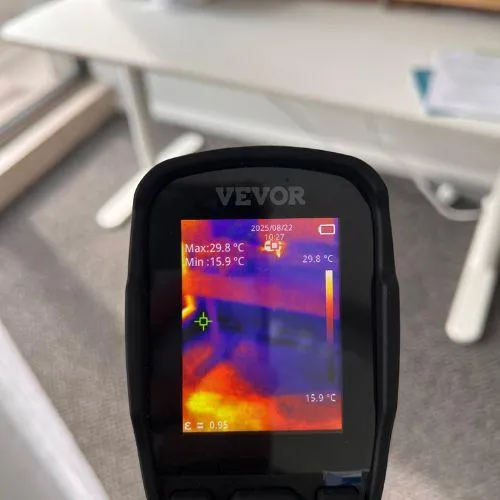
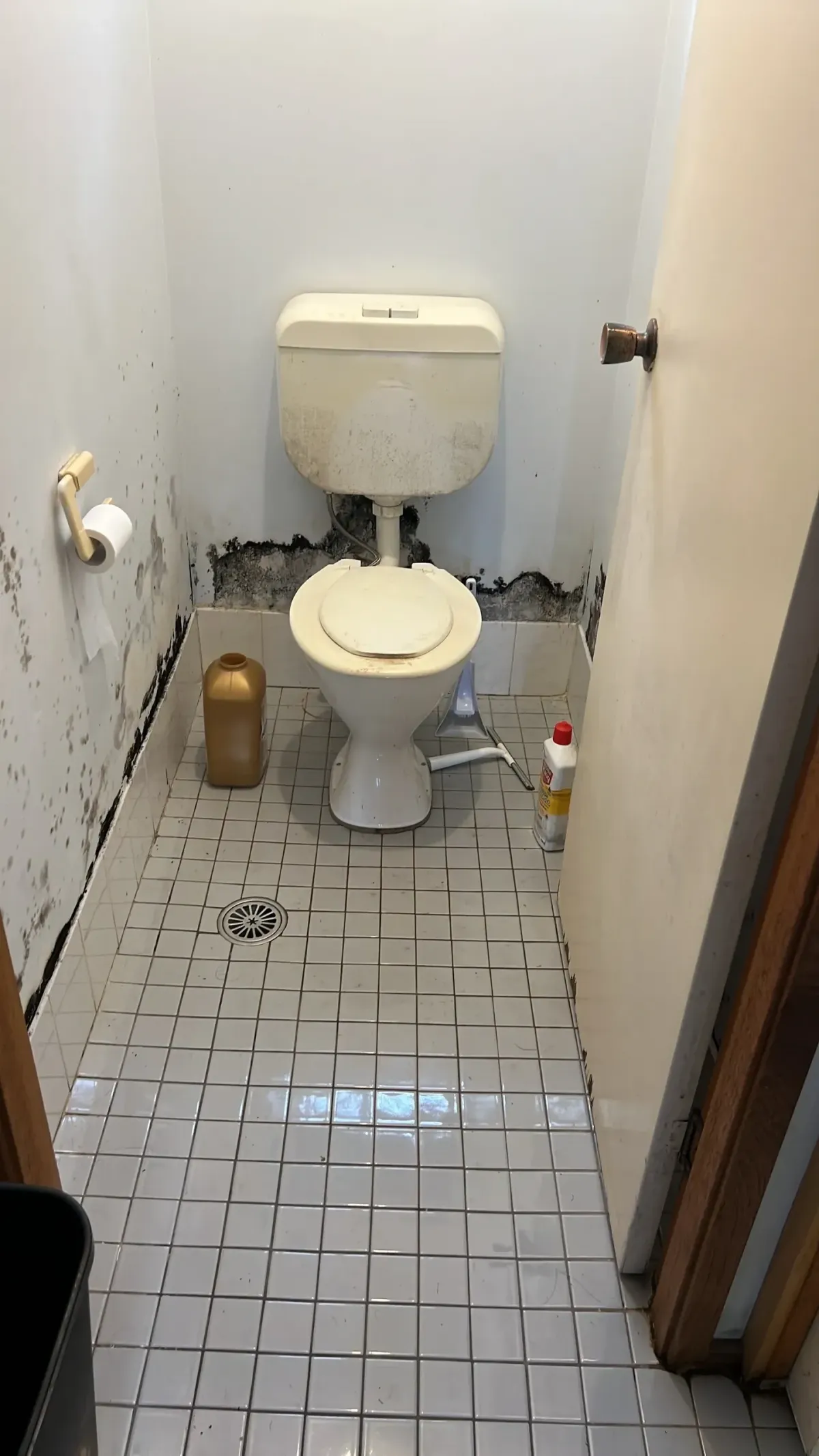
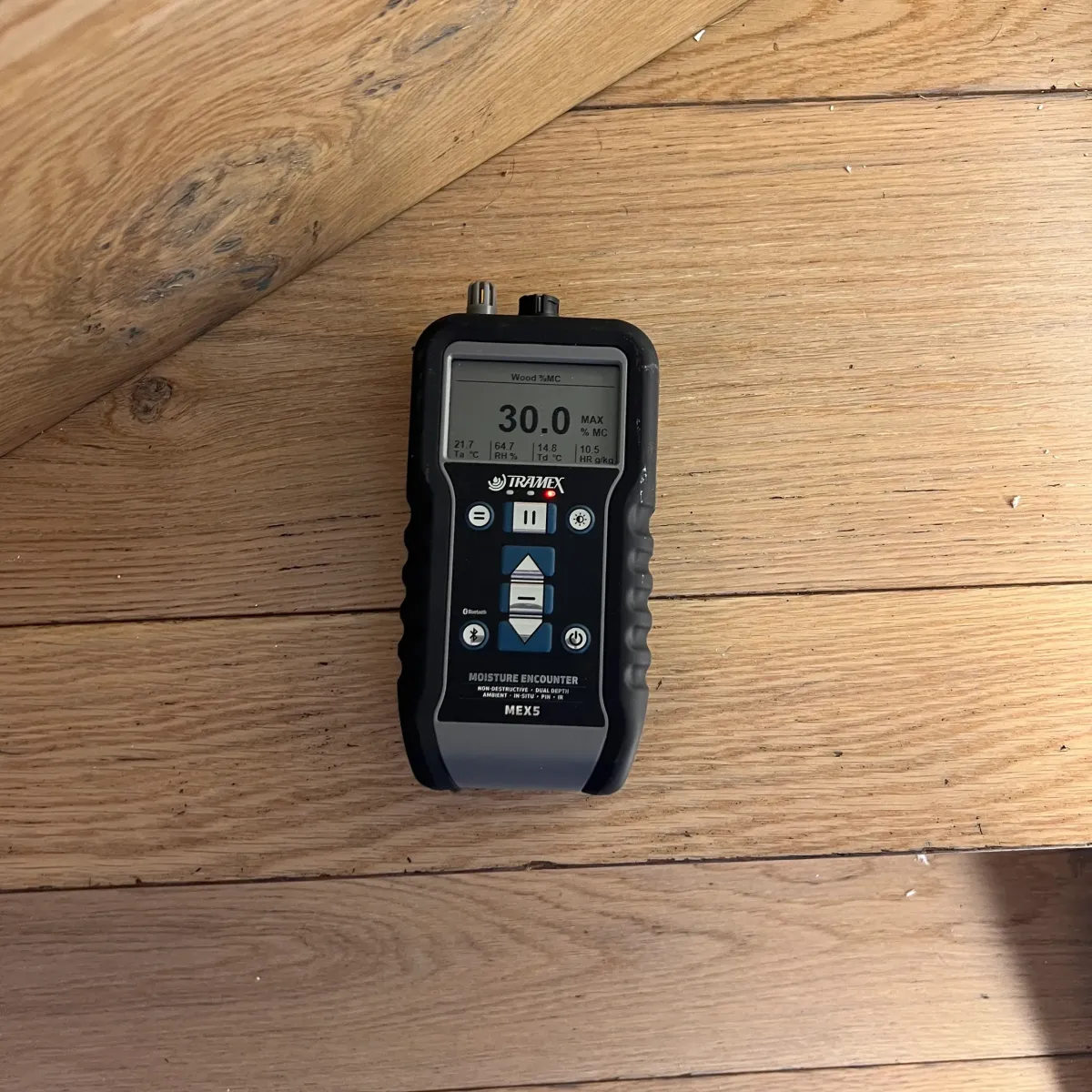
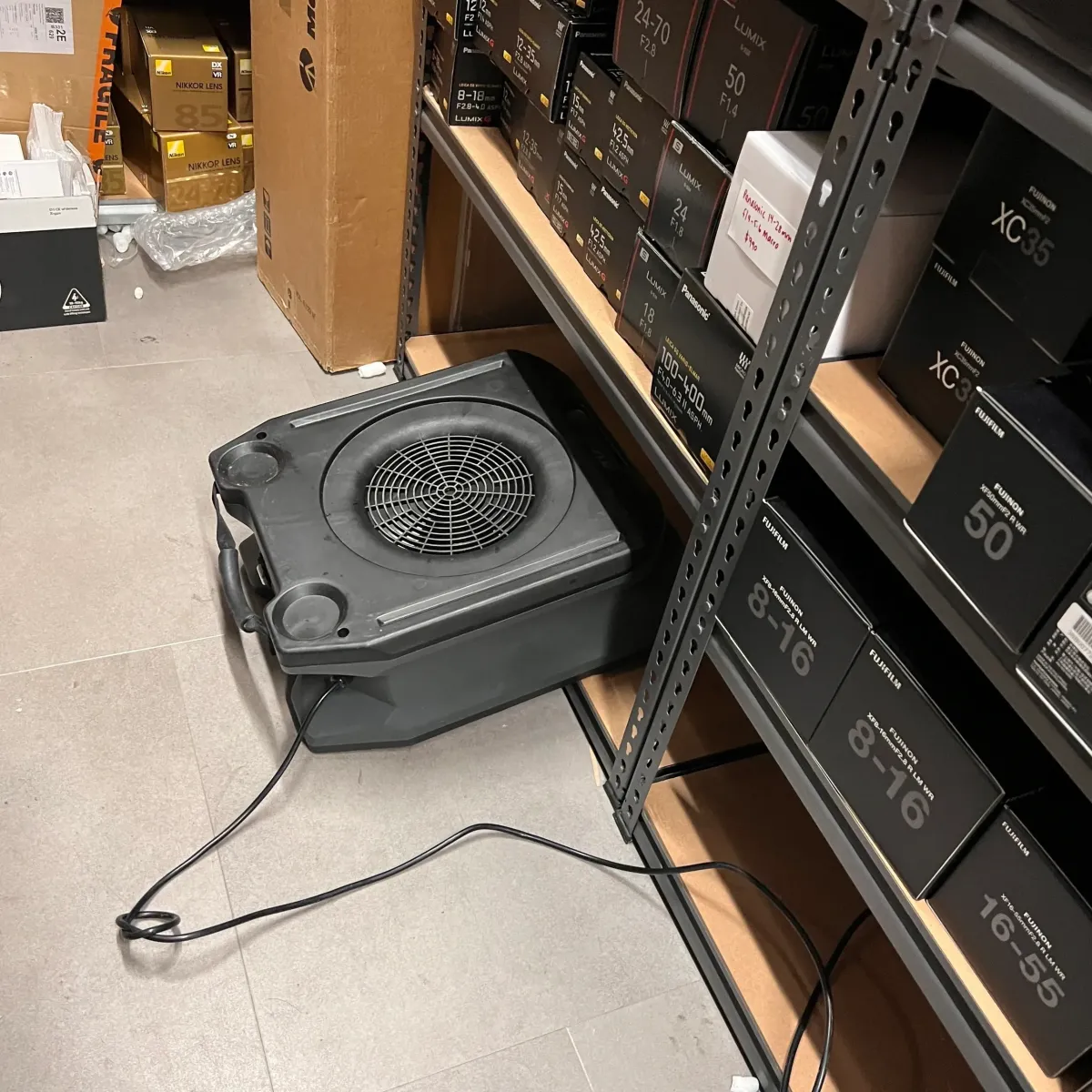
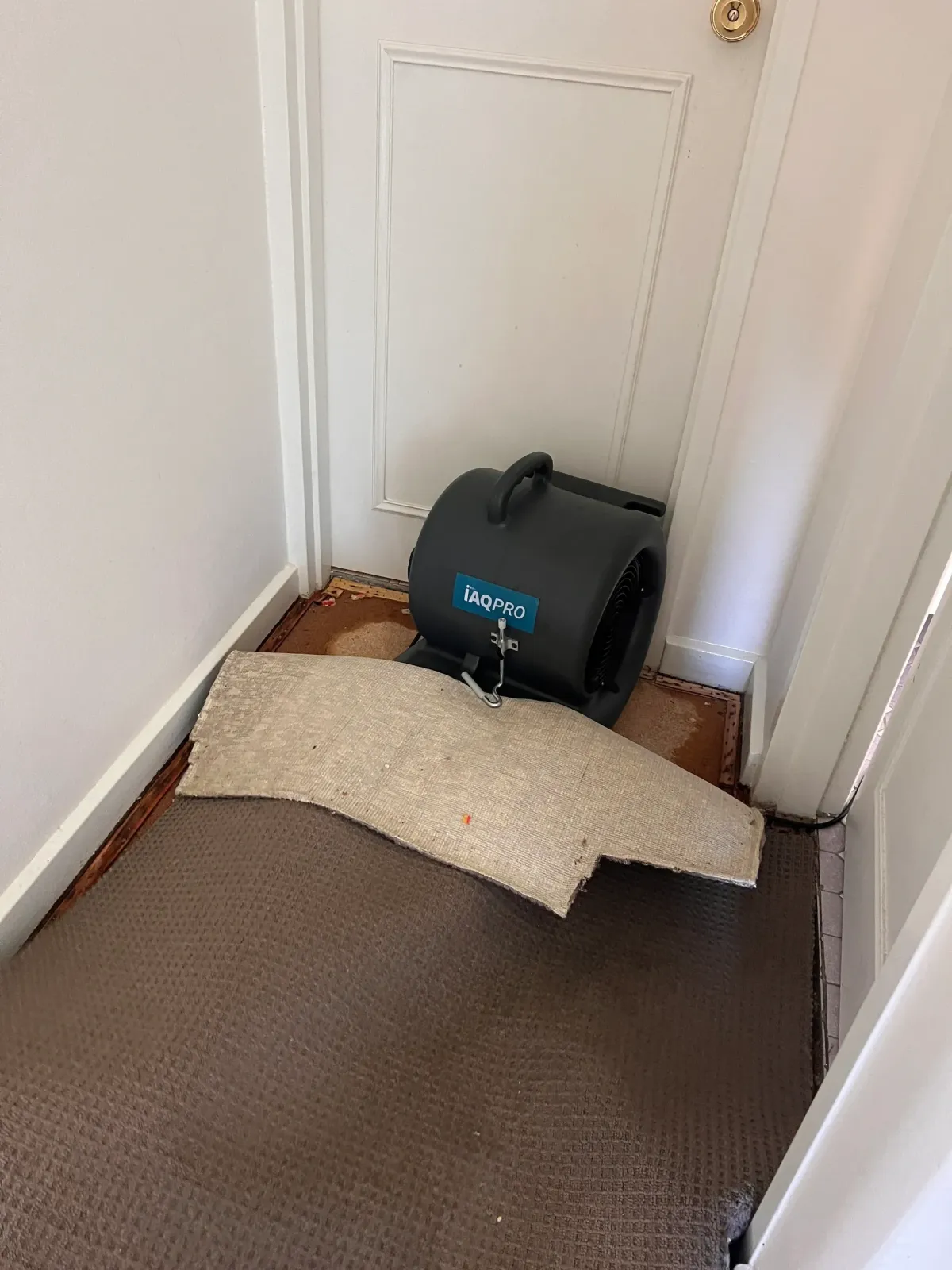
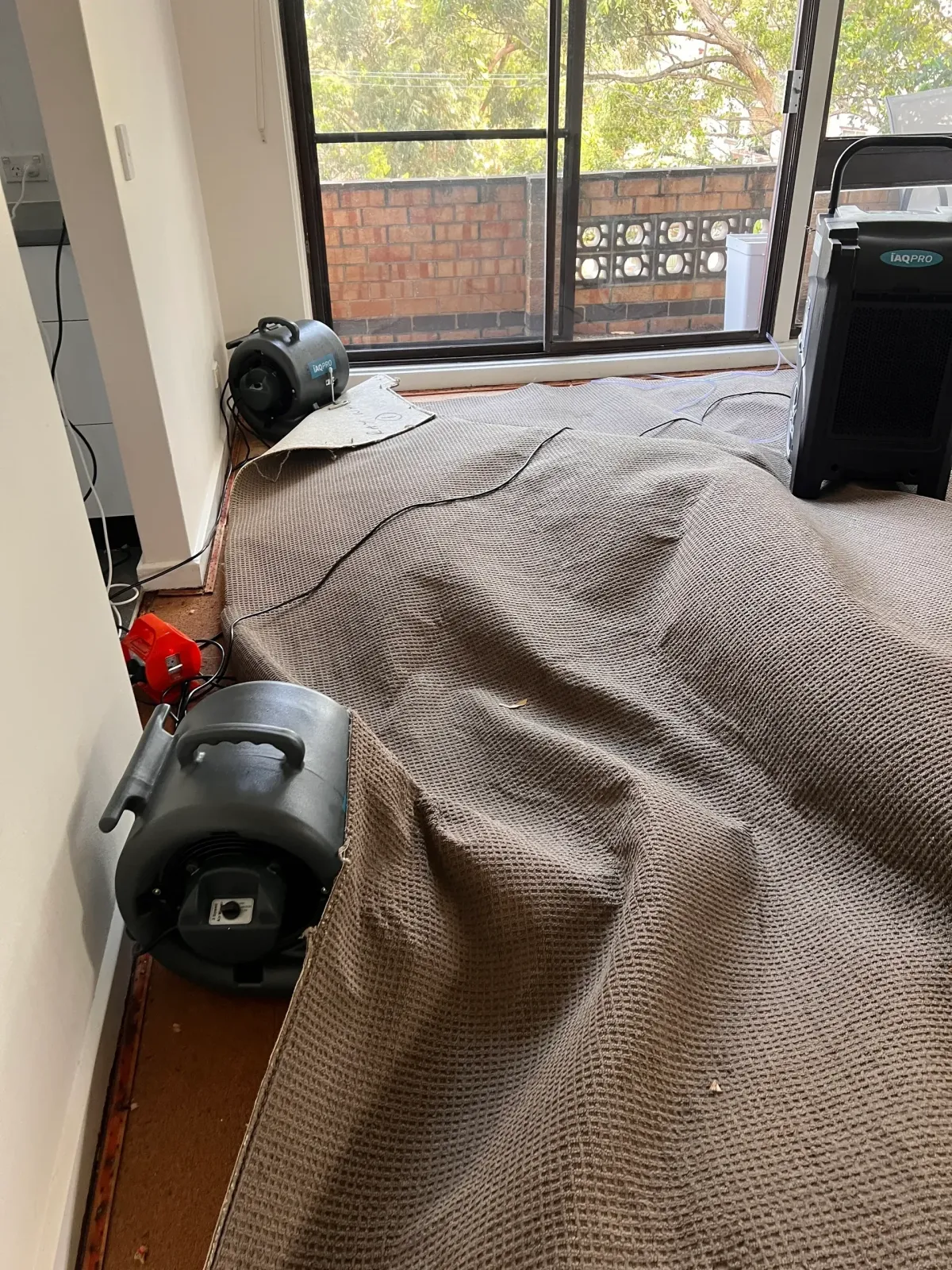
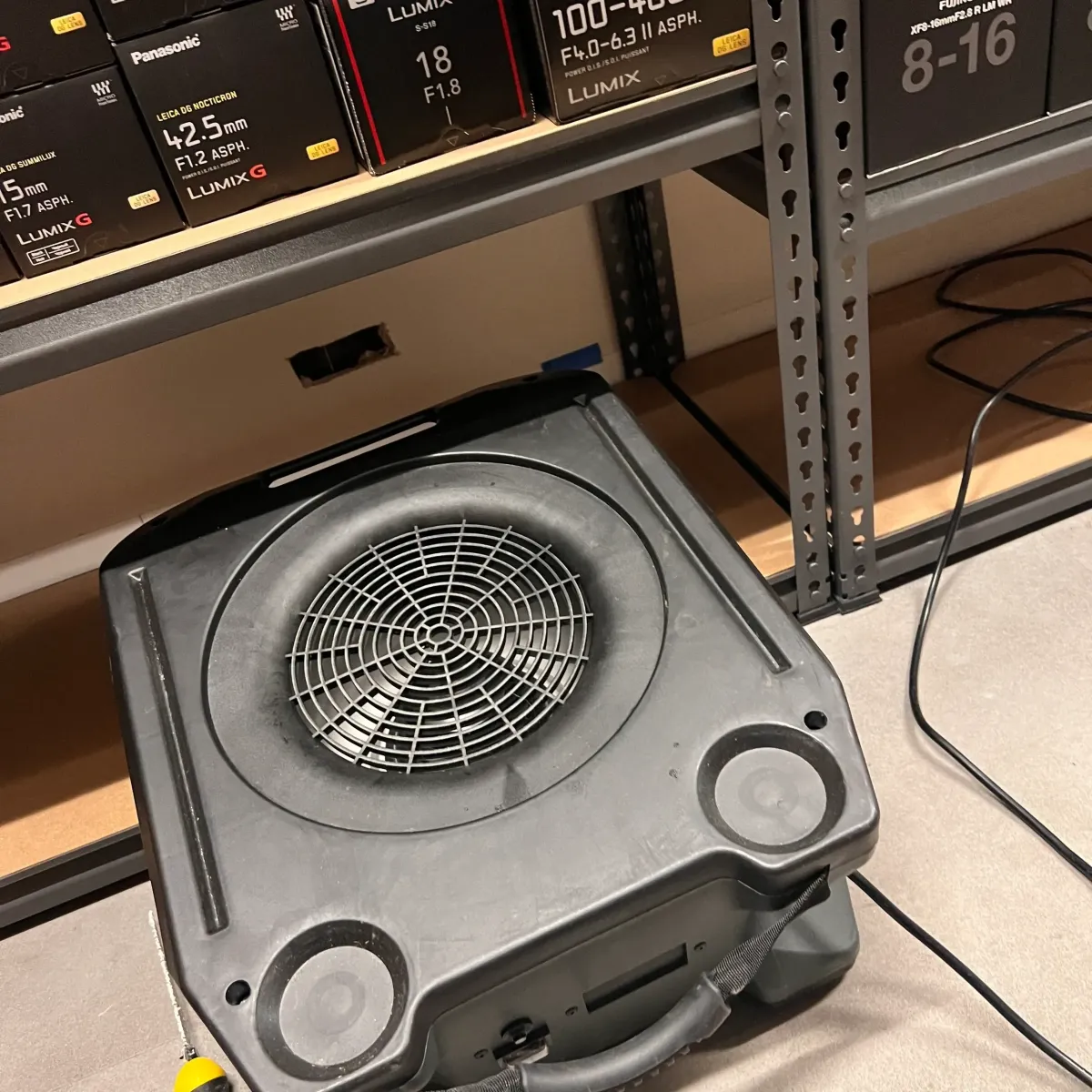
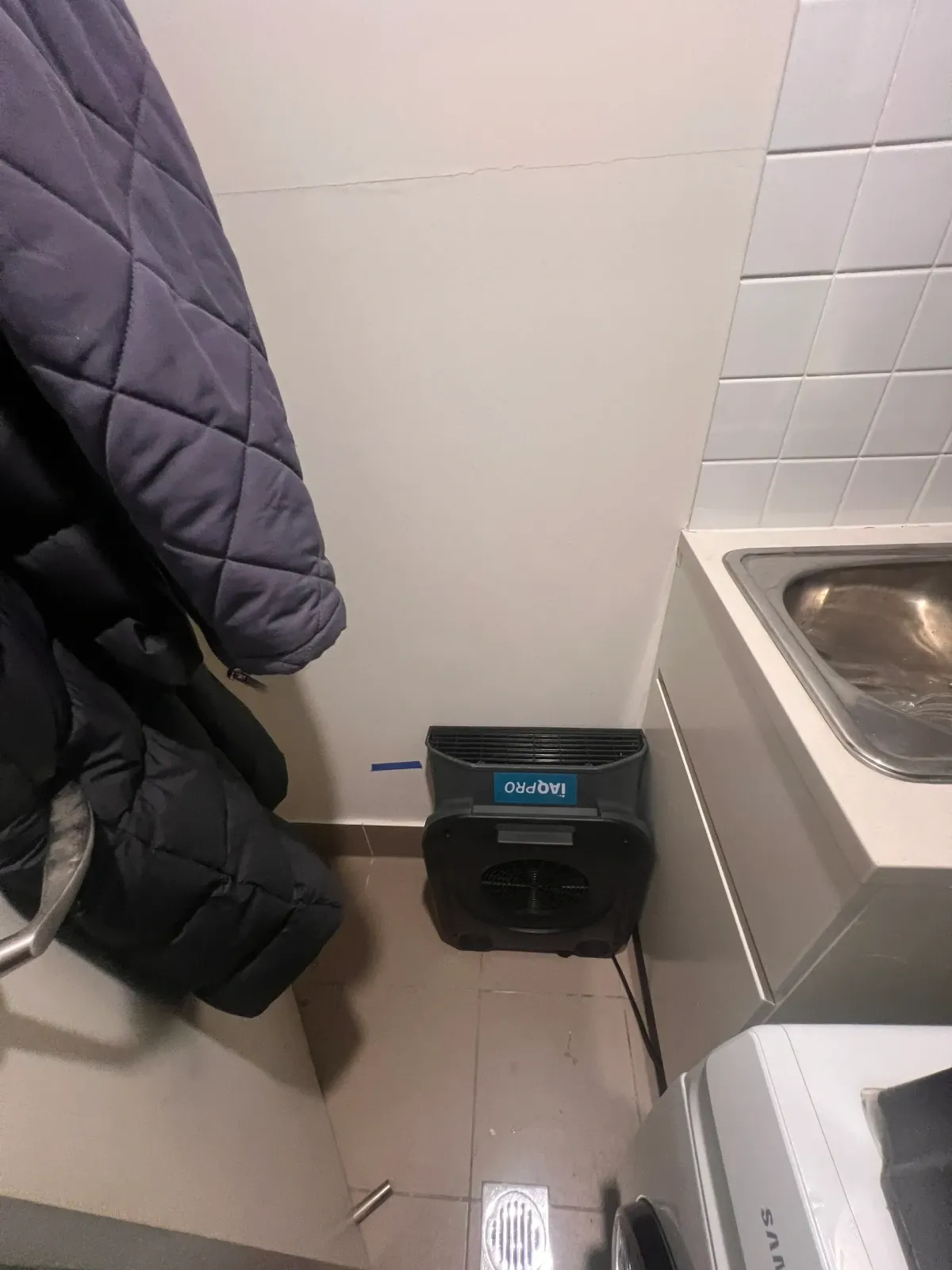
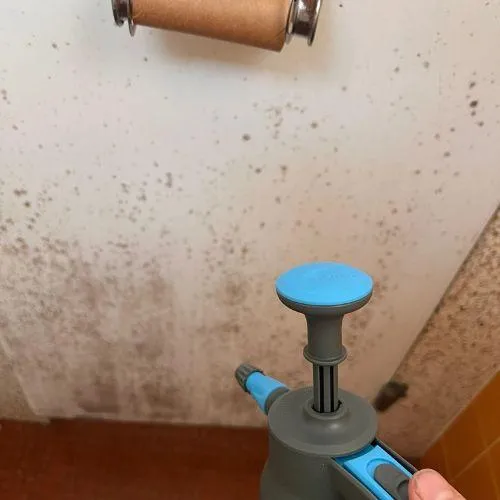
Dry Wet Drywall and Plasterboard
Gyprock, Drywall and Plasterboard can often be dried in place.
Quick Action is Key!
Or Call Now (02) 9090 4625
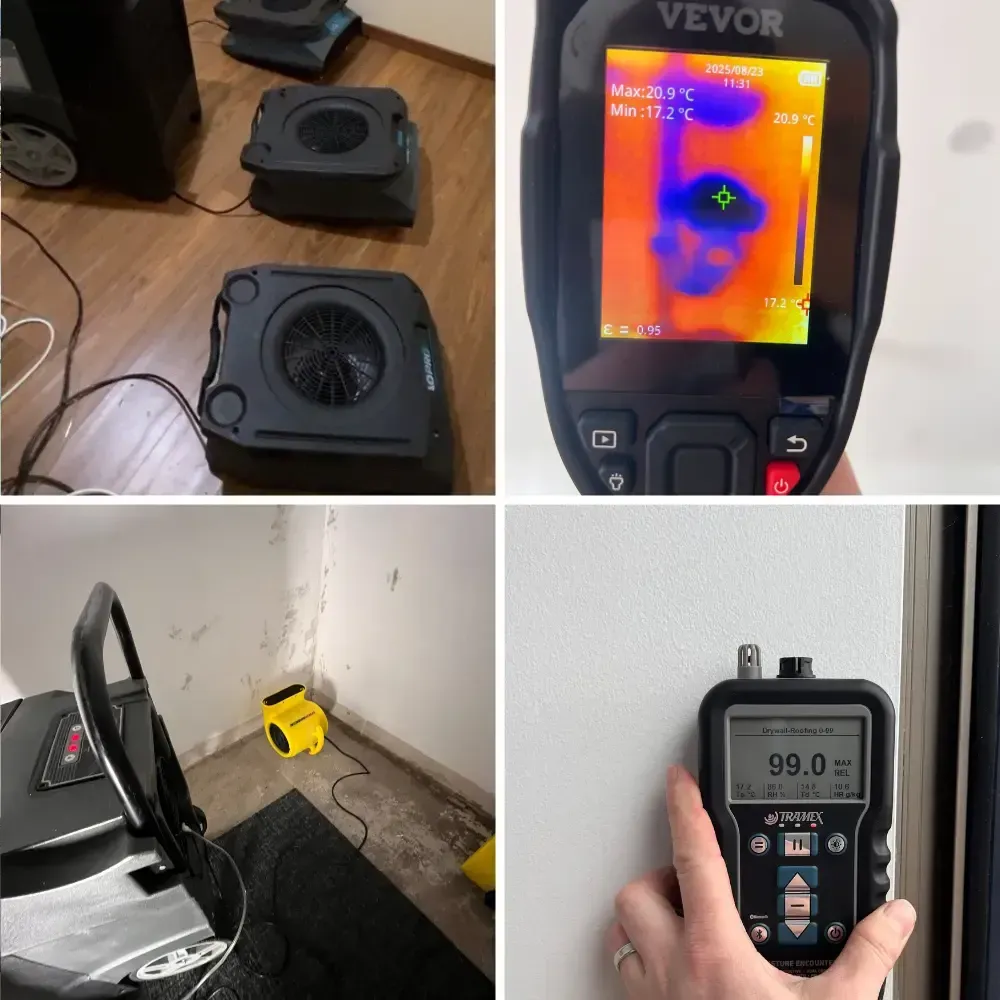
Drying drywall, plasterboard and gyprock after water ingress is essential to prevent further complications such as mould growth, structural weakening, or lingering odours. When drywall becomes wet, it can absorb moisture quickly, leading to swelling, sagging, and potential deterioration of the material. The first priority in drying wet drywall is to stop the water source—whether it's a leak, flood, or burst pipe—before beginning the drying process. Once the water intrusion has been addressed, it’s important to act quickly to minimize the damage to the drywall and surrounding structures.
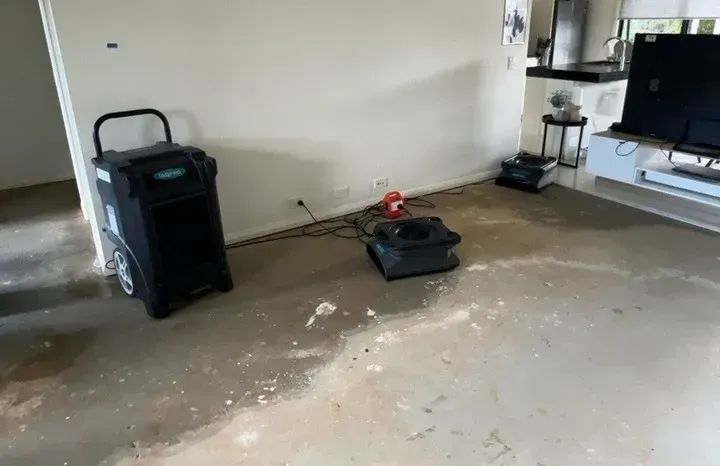
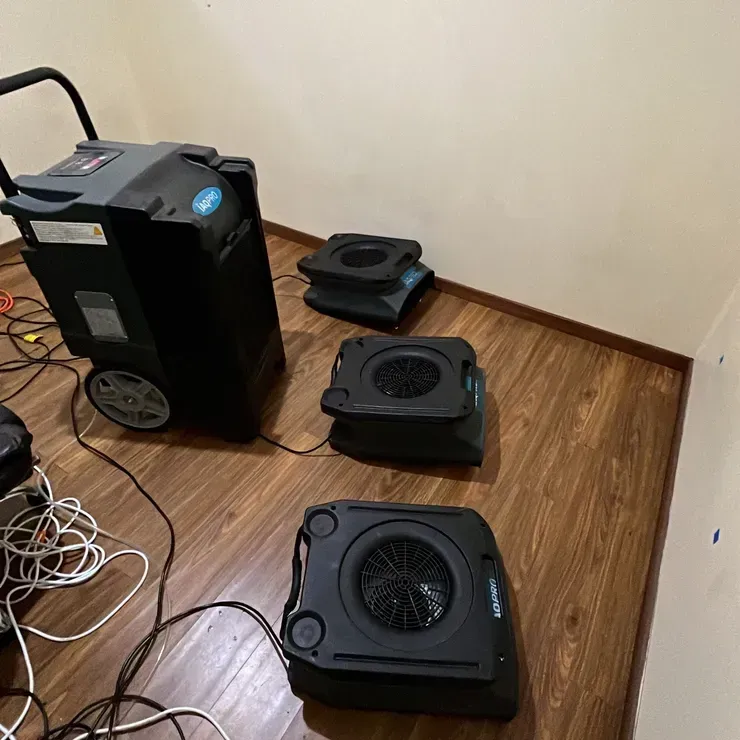
To dry wet drywall, our professional team will use air movers, dehumidifiers, and industrial fans to promote evaporation and remove excess moisture from the affected area. Air movers direct air across the drywall surfaces, accelerating the drying process, while dehumidifiers work to lower the humidity in the room, preventing additional moisture from settling back into the walls. In some cases, if the drywall is heavily soaked, sections of it may need to be cut away to allow for more effective drying behind the material. This also helps to prevent mold and mildew growth that can begin in as little as 24 to 48 hours in damp conditions.
The drying process can take several days, depending on the extent of the water damage and the type of drywall used. We monitor moisture levels throughout the process with a specialised moisture meter to ensure that the material is fully dry. If any signs of mould or structural damage are noticed, further intervention may be required. Once the drywall is completely dry, it can be patched or replaced as necessary. In many cases very little restoration is required once structural integrity is restored to the material. Ensuring that the area is completely dry before repairs are made helps to prevent future issues and restore the integrity and appearance of the walls.
Our Thoughts!
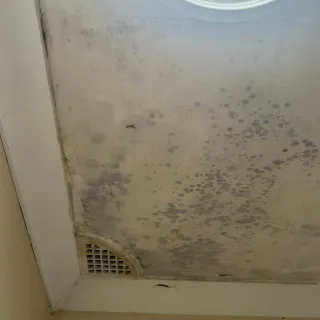
Laundry Ceiling Mould Removal in South Penrith, NSW
A roof leak left mould in this South Penrith laundry ceiling that cleaning couldn't fix. IICRC-certified mould removal, 24/7. Insurance reports available. ...more
Mould ,Flood
October 06, 2026•4 min read
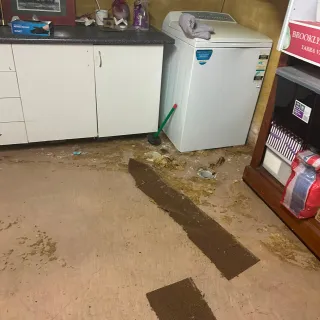
Sewer Overflow Clean Up & Sanitisation in Cronulla, NSW
Sewer overflow in a Cronulla strata garage? We remove contaminated carpet and sanitise the slab. IICRC certified, 24/7 response and insurance reports. ...more
Flood
September 25, 2026•2 min read
Hidden Mould Remediation in Oran Park, NSW
Water backflow caused hidden mould behind walls and under floors in an Oran Park home. IICRC-certified mould remediation, 24/7. Insurance reports. ...more
Flood
September 22, 2026•2 min read
Contact Us Today
Need help addressing mould in your home?
Need help addressing mould in your home?
Or call us today (02) 9090 4625
24/7 - Sydney Wide, Wollongong, The Illawarra & Surrounds
ABN: 35677824609
ACN: 677824609
IICRC Certification: 70174269


Sydney-Wide, Wollongong, The Illawarra & Surrounds
Call us today (02) 9090 4625
Email: [email protected]